Fresno councilman wants to make FAX bus free for everyone. How will the city pay for it?
Fresno City Council’s newest member is preparing to offer up his first major policy change, one that would make the Fresno the biggest municipality in the country to offer free bus rides on the Fresno Area Express.
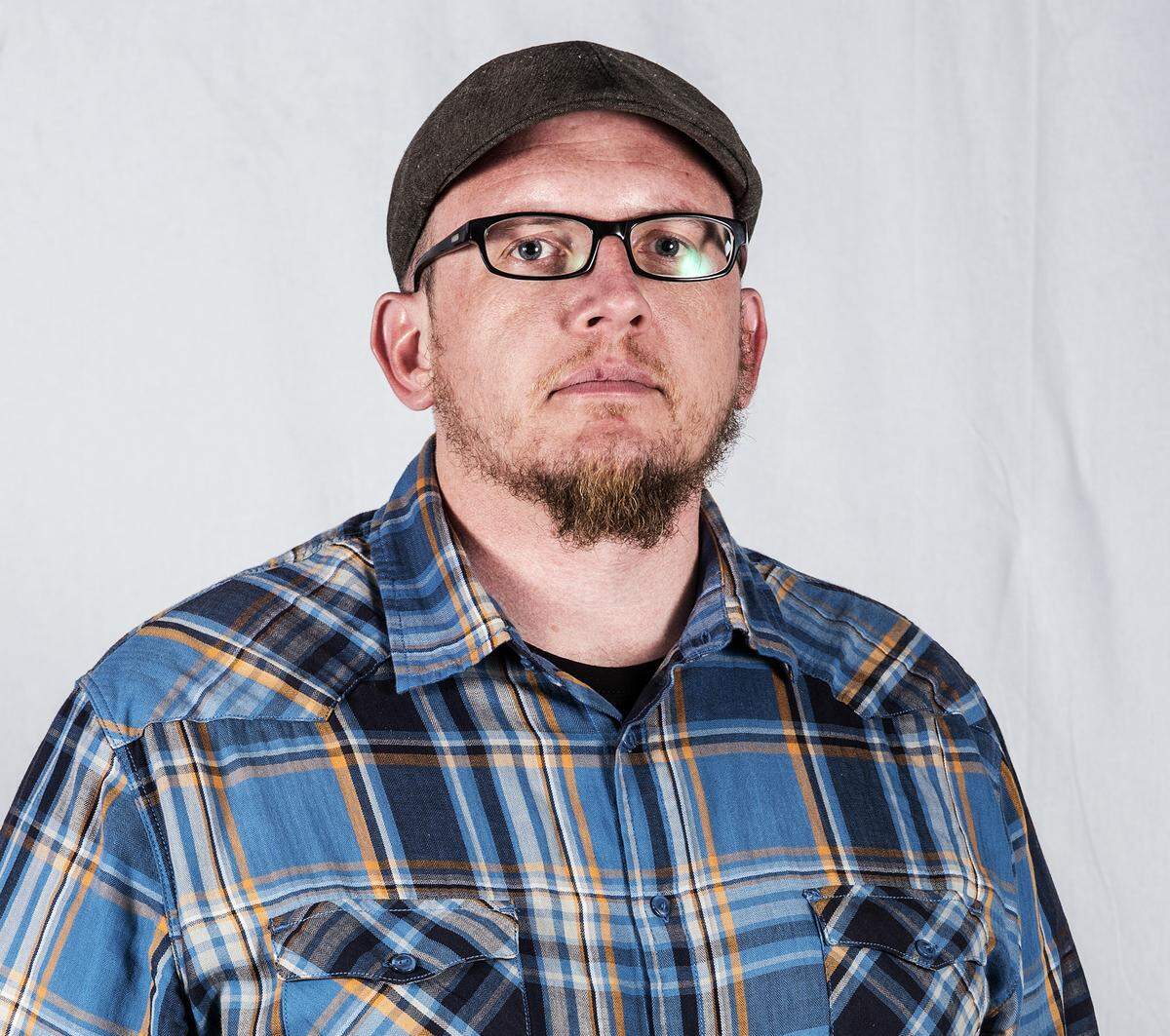
The “Zero Fare Clean Air Act” is part of a number of initiatives Councilmember Tyler Maxwell says he has planned. The zero fare policy is co-sponsored by two of his colleagues on the council — Nelson Esparza and Esmeralda Soria.
The plan, according to Maxwell, would have immediate and far-reaching benefits. Those include getting people where they need to go to get vaccinated from COVID-19 and improving air quality, not to mention improving the lives of some of the city’s poorest families.
“When you don’t have a disposable income, coming up with $3 to $6 every single day is almost impossible,” Tyler said. “Things we take for granted — this is a real sacrifice for tens of thousands of our families make in Fresno every single day.”
Maxwell said the city of Fresno pulls down from $5.5 million to $6 million a year from bus fares. That does not account for the roughly $500,000 it costs to collect the money.
How will the city make up for that $5 million in lost bus fare revenue?
Maxwell said that loss could be covered by CARES Act dollars in the short term, but could also be covered by grants or savings from within the FAX department.
Other cities have gone zero fare or are looking into it. Kansas City is perhaps the closest example for Maxwell’s plan, because Fresno isn’t much larger than the most populous city in Missouri.
Anthem Blue Cross paid $1 million a year for five years to help get zero fare off the ground there, an example of a public-private partnership Fresno could use, Maxwell said.
But there are nearby examples too. Visalia has operated without fares during the pandemic, and Clovis went fare-free in October.
Los Angeles is also considering zero fare through an exploratory committee. Maxwell said he’s ready to go much faster than LA.
“I am not interested in a 10-month exploratory committee to explore this idea to death. That’s been done in plenty of other cities,” he said. “I’m not interested in applying this to one bus route to see how this works. We know how it works. It works phenomenally.”
Maxwell went on to say he’s not interested in applying the zero fare to certain hours of the day. “We know systems like that are designed to make policies like this fail,” he said.
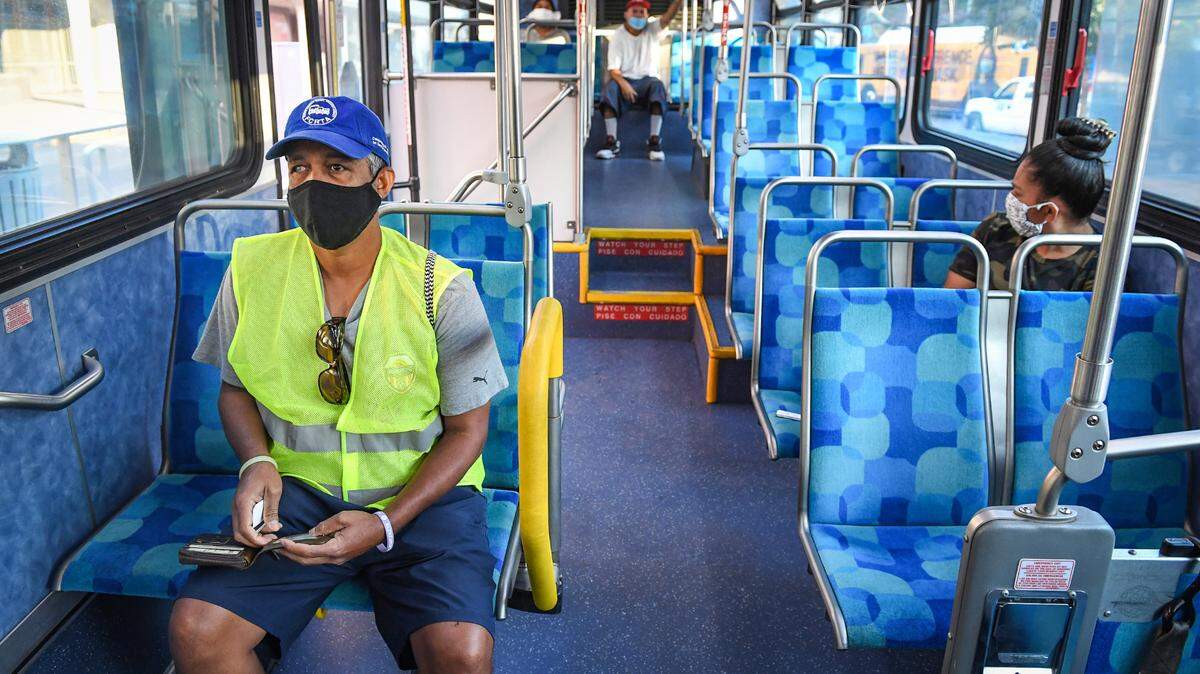
Who rides the bus?
Between 2017 and 2019, FAX ridership rose by almost 1 million rides, from 9.6 million to 10.5 million. The number plummeted in the COVID-19 era of 2020, when FAX officials put a limit on how many people could ride the bus at once and be safe.
According to FAX’s survey of ridership, 77% of riders don’t own or have access to a car and nearly as many (76%) make $20,000 or less a year.
“The most common Fresno FAX riders are young women of color with children going to work or school,” Maxwell said.
Central and south Fresno is home to the largest contingency of riders with the largest groups in 93706, 93726, 93702 and 93727.
One of those riders, Joseph Blanco, said he used the bus daily — whether that was to get to school, do volunteer work or to meet up with friends on the weekend. The 17-year-old said he wasn’t working and couldn’t rely on parents or others to give him a ride.
School provided free bus tokens when he needed it but he’d have to squirrel extras away or do extra volunteer work at the Boys and Girls Club if he hoped to ride on the weekend. “I’d sweep the room, set games up or help set up snacks,” he said.
Maxwell argues when low-income riders aren’t spending money on fare, they’ll spend it in the local economy through food, groceries, medical and other expenses.
The plan was met last month with support from the Fresno’s Bicycle and Pedestrian Advisory Committee, whose members gave it their backing.
“This would go a long way to address equity issues in our local transportation system,” member Tony Molina said.
Maxwell said he intends in his plan to keep partnerships with the four biggest bulk bus pass buyers: Fresno Unified School District, State Center Community College District, Fresno State and Fresno County Department of Social Services.
Differing opinions
Some experts question the wisdom of giving free rides to people who can afford it, and potentially crowding out people who have no other options, according to Jarrett Walker, a public transit planning and policy consultant and author of the book “Human Transit.”
“Discounting for people who are especially sensitive to fare is generally better than making the whole system free,” he tweeted in a Twitter debate about free transit. “Exceptions for some small cities and University towns.”
Maxwell said offering free rides to only those who qualified for a low-income plan only adds further bureaucracy, noting the percentage of riders who fall below the poverty line in Fresno.
The move to a fare-free system has the potential to increase efficiency, he said. Nobody has to stand in line to pay a fair at the front of the bus while a rider searches for their card or pocket change. So riders can get on at either end of a bus, which Maxwell argues leads to a savings and reduces the potential for violence.
There were 160 fare disputes in 2020, according to numbers from Maxwell, which translates to lost time and city dollars spent when a driver calls for police.
“There’s an entirely avoidable altercation on our bus because of a $1.25,” he said. “Simply by eliminating bus fare collection, (we) make the lives of our drivers and riders that much safer.”
The most important factor for bus riders, as one might expect, is whether the bus runs on time. The FAX survey shows 35% of riders said so.
Part of the appeal of riding FAX may hit a snag for Maxwell’s plan. Officials have considered adding WiFi to all of the buses but its fate is unclear, according to city spokesperson Sontaya Rose.
Maxwell insists the WiFi is on its way.
The other population Maxwell said he’s focused on are what he called “discretionary riders,” who could be enticed by access to public transit. “We offer things like WiFi so young professionals or students going to work or school can use their laptops or tablets,” he said.
Reducing the number of cars on the road could also help get the city closer to emissions goals, though Maxwell admits the bus program alone can’t fix Fresno’s notoriously bad air, but could play a part.
Cars are responsible for almost 60% of the emissions of greenhouse gases in the country, according to the U.S. Environmental Protection Agency.
Maxwell said the benefits from going fare free will take some time to show.
“A significant increase is not going to be felt for a few years, but it’s really that five-year to 10-year period that’s the sweet spot,” he said. “Because when people get it ingrained into their minds that year after year that they can hop onto any bus that they want and not have to worry about fare, it changes their behavior.”
This story was originally published February 3, 2021 at 11:56 AM.