COVID vaccine myths were a big factor in high 2021 Fresno County deaths, says top doc
Remember the end of 2020? People couldn’t wait for “the Year of the Coronavirus” to be over.
The first vaccines became available less than three weeks before the end of the year, and amid a winter surge in cases, hospitalizations and deaths, there remained hope and optimism that 2021 couldn’t help but be a better year.
So much for that hope.
When 2020 ended, Fresno County had seen about 64,500 confirmed COVID-19 infections since the first cases were detected in early March – an average of about 6,540 cases each month over 10 months.
As 2021 winds to a close, life in Fresno and the central San Joaquin Valley is a lot closer to normal than it was when the year started.
But with almost 84,000 cases reported over the 12 months – averaging about 6,700 new cases each month in Fresno County– new variants with names like “alpha,” “beta,” “delta” and, most recently, “omicron,” are not only making us more familiar with the Greek alphabet but reminding us that we don’t seem that much closer to putting the pandemic behind us.
On Thursday, the next-to-last day of 2021, Fresno County reported its highest number of cases in a single day since early November, as cases began trending higher in the last week of the year.
Here are the high and low points of the COVID-19 pandemic in 2021 in Fresno and the Valley:
A roller-coaster of cases, deaths
New cases of coronavirus were well on the upswing in the last two months of 2020. January 2021 turned in the second-highest monthly number of cases following December 2020, with more than 23,000 confirmed cases in Fresno County and almost 50,000 across the six-county Valley region of Fresno, Kings, Madera, Mariposa, Merced and Tulare counties.
By February, new cases had dropped to about one-third of the pace of January, but the lag between the onset of illness and death from the virus meant that February was the second-deadliest month of the pandemic to date.
Throughout the spring, cases and fatalities declined, prompting the eventual lifting of California’s color-coded system of tiers in which economic and social activities were limited county by county depending on the rates of new cases. When the restrictions were lifted in mid-June, new COVID-19 cases and fatalities reported from the virus were at their lowest points since the earliest months of the pandemic.
Within weeks, however, cases and deaths began to rise again, as people resumed more and more of their normal pre-pandemic activities and a new variant first detected months earlier in India began to spread rapidly around the world. By the end of August, the delta variant was estimated to be responsible for 99% of all new COVID-19 cases in the U.S., according to the U.S. Centers for Disease Control.
The surge of the late summer and fall have eased up somewhat since September, while deaths attributed to the virus began trending downward after October.
But as rapidly as the delta variant began its rampage, yet another new strain dubbed omicron emerged in South Africa in November. Believed to be even more contagious than delta, in less than two months it has become the dominant variant in the U.S. since the nation’s first case was reported in San Francisco at the beginning of December.
Misinformation played part in pandemic’s deadly toll
In 10 months of the COVID-19 pandemic in 2020, the virus and the respiratory disease it causes had claimed 711 lives in Fresno County, and 1,608 across the six-county region.
The 2021 death toll from the coronavirus, through Thursday, was 1,653 in Fresno County and 3,335 in the Valley. That’s an average of about 138 fatalities each month in Fresno County and 278 each month for the region.
January was a record month for fatalities blamed on COVID-19 in the region – the result of people who became sick enough to be hospitalized in December and succumbed days or weeks later after their condition deteriorated. There were 426 deaths in January in Fresno County, and 821 Valleywide.
Summer saw a relative lull in deaths, falling to as low as 19 each month in June and July in Fresno County and 34 in the central San Joaquin Valley region in both months.
But just as cases rose following the lifting of California’s restrictions, the death toll lurched upward in August and September and continued into the fall. October became the fourth deadliest month of the pandemic to date, with 174 lives lost in Fresno County and 362 Valleywide.
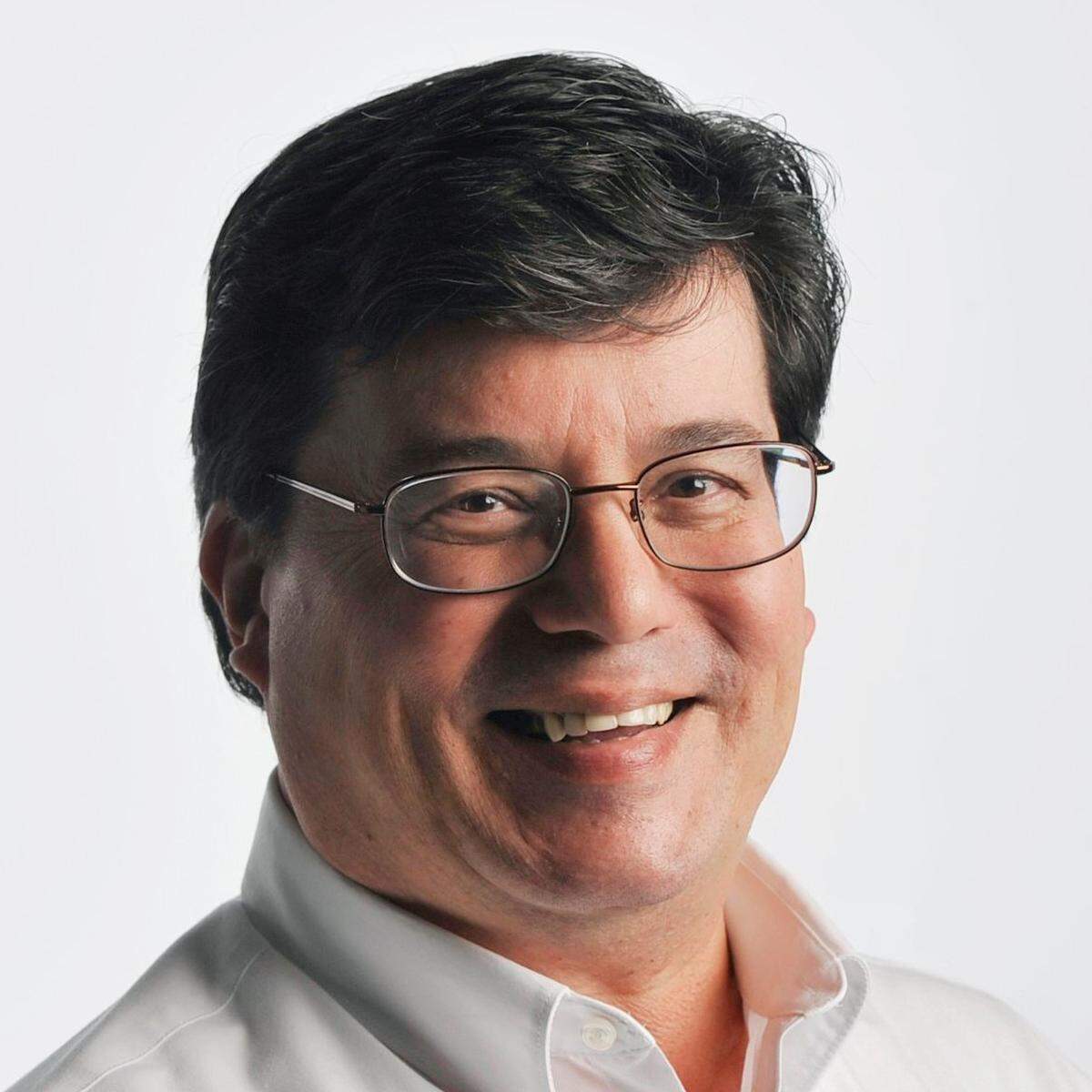
Dr. Rais Vohra lamented the fall surge in cases and fatalities and pleaded with residents to get vaccinated and to wear face masks to help limit their transmission of and exposure to the virus.
“People doubt the layers of protection” including face masks and social distancing to limit transmission of the virus, Vohra said in September. “They doubt the efficacy of the vaccines, they seek out alternative and unproven cures, and they express skepticism whenever the leaders of the hospitals are telling them that the hospitals are at or over capacity.”
That skepticism, created in part by “viral misinformation,” is part of what was getting more people sick, landing them in the hospital and, in some cases, causing them to die from the virus.
“I feel sorry for them. I wish I had a vaccine for that and a cure for that,” Vohra said of the skepticism. “But really it’s up to everyone to protect themselves and inoculate themselves with the truth.”
Slow acceptance of vaccines
When the first COVID-19 vaccine from Pfizer-BioNTech became available in December 2020, and two later products were added to those receiving emergency approval from federal regulators, Fresno County health officials said their hope was to get between 65% and 75% of the county’s population vaccinated by the end of the summer.
By the start of the new 2021 school year, officials had hoped to achieve “herd immunity” and minimize the potential for the virus to spread from person to person.
But after an initial burst of enthusiasm among residents to get their shots when the vaccines became widely available in March and April, demand reached a plateau and slowed to a comparative crawl throughout the late spring and summer.
By mid-August, fewer than 440,000 of Fresno County’s 1 million-plus residents were fully vaccinated. And by September, officials noted that the bulk of new cases, as well as hospitalizations and deaths, were among people who had not yet gotten their shots.
The pace accelerated somewhat through the latter half of the year as the new school year approached with plans for a wholesale return to in-person instruction instead of remote learning, and more children – first those ages 12 and older, and then kids ages 5 to 11 – became eligible for their shots.
As of Dec. 27, with just days left in the year, the number of fully vaccinated people – those who had gotten both shots of the two-dose Pfizer or Moderna vaccine regimens, or one dose of the single-shot Johnson & Johnson product – had reached more than 564,000 Fresno County residents.
Still, that’s less than 55% of the overall county population, and less than 60% of people ages 5 and over who are eligible to get their shots.
By contrast, more than 65% of all California residents, and close to 70% of eligible residents, were fully vaccinated by year’s end.
Like Fresno County, neighboring counties in the central San Joaquin Valley also continued to lag well behind the statewide vaccination rate – from a low of just over 40% in Kings and Mariposa counties, to about 45% in Merced County, 48% in Tulare County and 49% in Madera County.