COVID-19 booster shots increase in Fresno. What’s that mean for new omicron variant?
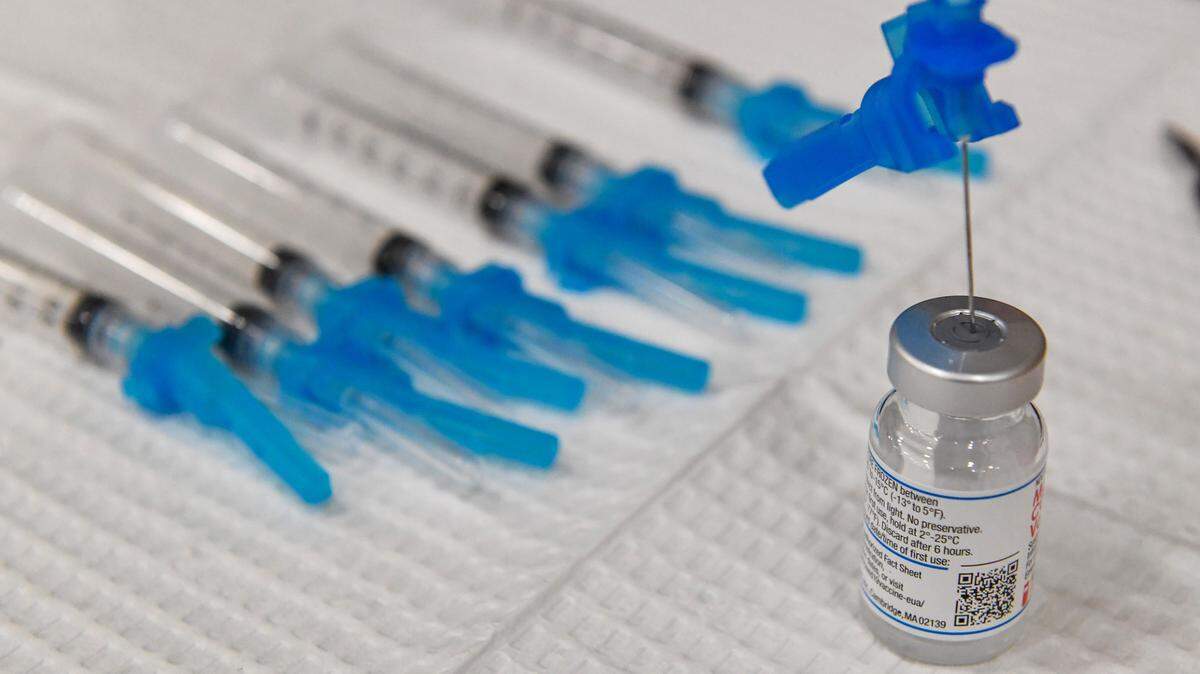
Almost 60% of the COVID-19 vaccine doses administered to residents in Fresno County since Nov. 1 have been third doses or “boosters” aimed at further bolstering a person’s immune response to the coronavirus and its variants.
Through Wednesday, more than 130,000 people in the county have gotten a booster shot since the late summer when they were first recommended for people with compromised immune systems.
The booster dose figures in Fresno County and the Valley come amid nationwide developments this week over the effectiveness of vaccines against the many mutations of the new omicron variant of coronavirus that was discovered last month in South Africa.
That has brought about discussions about what it means to be “fully vaccinated” against COVID-19.
Boosters have been available to anyone age 18 and older for weeks. On Thursday, federal health officials expanded their recommendations for coronavirus booster shots to include 16- and 17-year-olds.
On Wednesday, Pfizer Inc. and BioNTech, manufacturers of one of the three vaccines approved for use in the United States, announced that preliminary studies show that a third dose of their product can neutralize the omicron variant.
The Associated Press reported that the two pharmaceutical companies said that while two doses may not be strong enough to prevent infection by the omicron variant, lab tests showed that a third-dose booster shot increased by 25-fold a person’s level of antibodies capable of fighting off the virus.
The vaccine from Pfizer/BioNTech, which won emergency-use approval a year ago from the U.S. Food & Drug Administration, and one produced by Moderna both require a two-dose regimen for a person to be considered “fully vaccinated.” A one-dose vaccine from Janssen/Johnson & Johnson is also approved for use in the U.S.
In Fresno County, more than 551,000 people – or about 53.4% of the county’s overall population – are fully vaccinated. Of those, 131,016 have now also received a booster shot, according to data from the California Department of Public Health.
Almost 413,000 residents in the county, or 40% of the population, are wholly unvaccinated — people who have yet to receive even one dose of any of the vaccines.
Across the central San Joaquin Valley – Fresno, Kings, Madera, Mariposa, Merced and Tulare counties – the number of fully vaccinated people amounts to 1,049,482, or just over 49% of the region’s total population. Almost 233,000 of those residents have also received booster doses on top of their original shots earlier this year.
Even before the first case of the omicron variant in the United States turned up earlier this month in San Francisco, Fresno County interim health officer Dr. Rais Vohra was strongly urging residents to get vaccinated – and for those already vaccinated to get booster doses – to lessen the potential for a winter surge not unlike December 2020 and January 2021.
Back then Fresno County and neighboring counties experienced a substantial increase in new COVID-19 cases, as well as more hospitalizations and deaths.
For practical purposes, “the bottom line is, boosters are not optional,” Vohra said in a briefing with reporters before Thanksgiving. “Once you’re at six months or longer (since a second vaccine dose), then your immune system really needs that booster to get you fully reinforced.”
“Coming into the winter season, I’m quite concerned that we will have a winter surge, and it will be related to a lot of breakthrough infections” among people who were considered fully vaccinated, he added.
“These are all folks that took the time, took the effort, educated themselves and got vaccinated the first time around, but unfortunately if they don’t get their boosters, they’re setting themselves up to get that breakthrough infection.”
Information on where or how to get a COVID-19 vaccine or booster shot is available from the state’s MyTurn website at myturn.ca.gov or by calling MyTurn at 833-422-4255.
Boosters and omicron
After studies indicated that vaccine protection tended to wane over time, health authorities in the U.S. have for the past few months officially recommended that people get booster shots – either a third dose of the Pfizer/BioNTech or Moderna vaccines or a second shot of the Johnson & Johnson product – if they are eligible.
The federal recommendations for boosters has applied to anyone age 18 or older since mid-October.
On Thursday, the U.S. Centers for Disease Control expanded its booster recommendations for the Pfizer vaccine to 16- and 17-year-olds.
For people who have not yet received a booster shot, Pfizer/BioNTech leaders said two doses still should prevent severe disease or death from omicron.
“Although two doses of the vaccine may still offer protection against severe disease caused by the omicron strain, it’s clear from this preliminary data that protection is improved with a third dose of our vaccine,” Pfizer CEO Albert Bourla said.
“Our preliminary, first dataset indicate that a third dose could still offer a sufficient level of protection from disease of any severity caused by the omicron variant,” BioNTech co-founder and CEO Dr. Ugur Sahin said.
“We continue to work on an adapted vaccine product which, we believe, will help to induce a high level of protection against omicron-induced COVID-19 disease as well as prolonged protection compared to the current vaccine.”
The omicron variant has scientists and the medical community scrambling to learn whether the new strain is more contagious or causes more severe illness than the established delta variant that is blamed for nearly all of the new coronavirus cases, hospitalizations and deaths in California and the U.S. since August.
Pfizer’s finding on the effectiveness of its booster doses against omicron “is very encouraging,” President Joe Biden said Wednesday. But, he added, “that’s the lab report. There’s more studies going on.”
What ‘fully vaccinated’ means?
Also this week, discussions increased over whether the official definition of “fully vaccinated” needs to be changed to reflect the diminished protection over time of the original two-shot or one-shot vaccine regimens, particularly with so many unknowns over the omicron variant.
The Centers for Disease Control indicated that while it continues to recommend third-dose boosters for previously vaccinated people, it is not yet prepared to change the meaning of “fully vaccinated” to include a third dose.
Hospitals and other health-care settings and a growing number of government agencies, colleges and schools, and other workplaces have established requirements for staff or students to be fully vaccinated or have a recognized exemption for religious or medical reasons.
In an interview on CNN on Wednesday, Dr. Anthony Fauci, director of the National Institute of Allergy and Infectious Diseases, said he believes “it’s going to be a matter of when, not if” the definition of fully vaccinated is changed.
“It’s a technical, almost semantic definition, and it is the definition for requirements,” Fauci told CNN anchor Kate Bolduan.
“If someone says, ‘Are you fully vaccinated to be able to attend class at a university or a college or be able to work in a workplace?’ Right now … I don’t see that changing tomorrow or next week.”
“But certainly if you want to talk about what optimal protection is, I don’t think anybody would argue that optimal protection is going to be with a third shot,” he added.
“Whether or not it officially gets changed in the definition, I think that’s going to be considered literally on a daily basis; that’s always on the table.”
The Associated Press contributed to this report.