Yosemite’s park projects for 2021: Trails, giant sequoias, honoring diverse pioneers
Numerous Yosemite National Park projects are underway as officials also prepare to again limit the number of visitors to the popular park in California later this spring and summer due to the ongoing COVID-19 pandemic.
Yosemite day-use entry pass reservations will go on sale next week for dates starting May 21.
This week, the park’s primary philanthropic partner, Yosemite Conservancy, announced it’s funding 44 Yosemite projects in 2021 with $11.5 million in donations. The conservancy has funded more than 700 Yosemite projects with over $140 million in grants.
The following is a look at some of this year’s projects, and how these projects could affect Yosemite visitors in 2021.
Yosemite Valley: Bridalveil Fall trail, Yosemite Village center
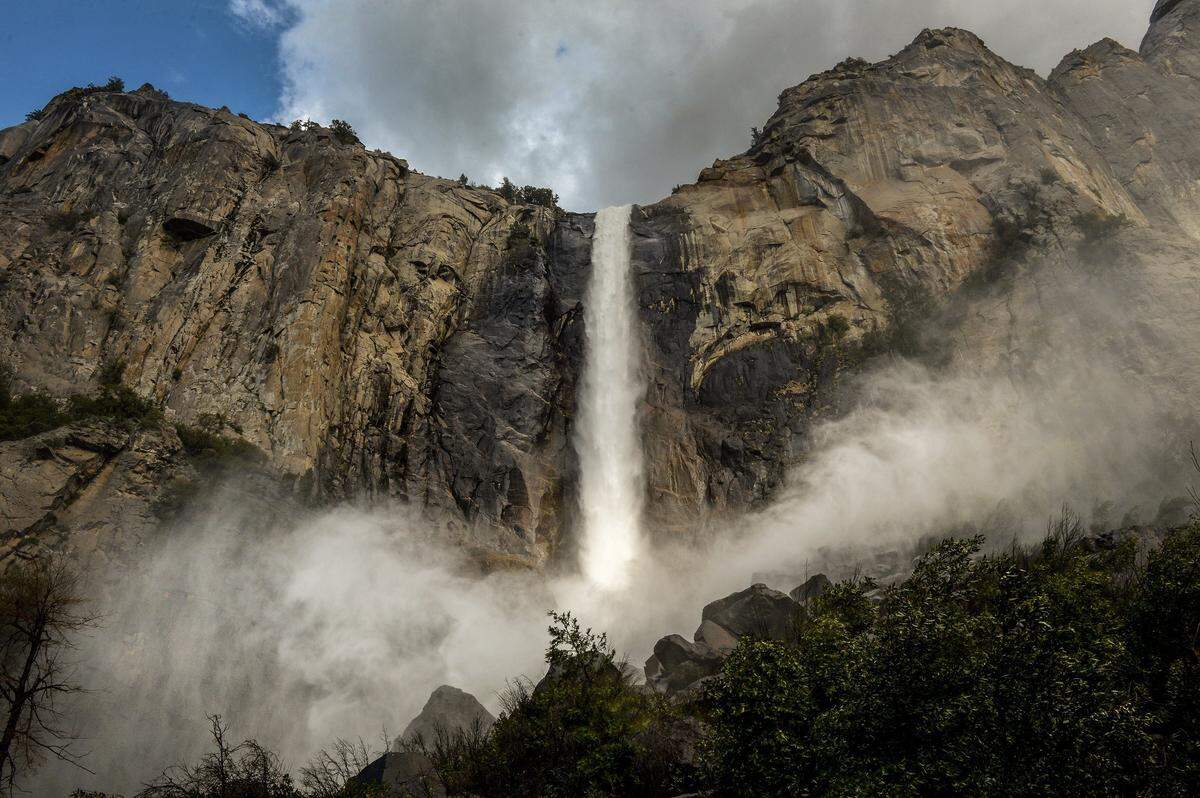
The most noticeable of these projects for most visitors: The trail to the base of Bridalveil Fall will remain closed in 2021 as a project continues there to widen paths, add a second viewing platform, and install a bathroom with flush toilets in the trailhead parking lot. It’s expected to be completed next year.
The short trail to the base of the waterfall is one of Yosemite’s most popular. Bridalveil Fall is the first Yosemite Valley destination past Tunnel View that’s available to visitors who enter the park from the south via Highway 41.
Bridalveil Fall is still visible from Southside and Northside drives in Yosemite Valley.
Another big, multiyear renovation underway: A new Yosemite Valley Welcome Center, which will be in a now-vacant space that used to be occupied by a sports shop.
The 3,000-square-foot building is close to the parking lot outside the Yosemite Village Store. The current visitor center at Yosemite Village is a half-mile walk from that parking lot.
Working to save giant sequoias from fires
At least 15 giant sequoias fell in Yosemite’s Mariposa Grove of Giant Sequoias during a destructive Mono wind event in January.
The trees felled by those winds were primarily near wetlands, where the soil is softer, Yosemite Conservancy President Frank Dean said.
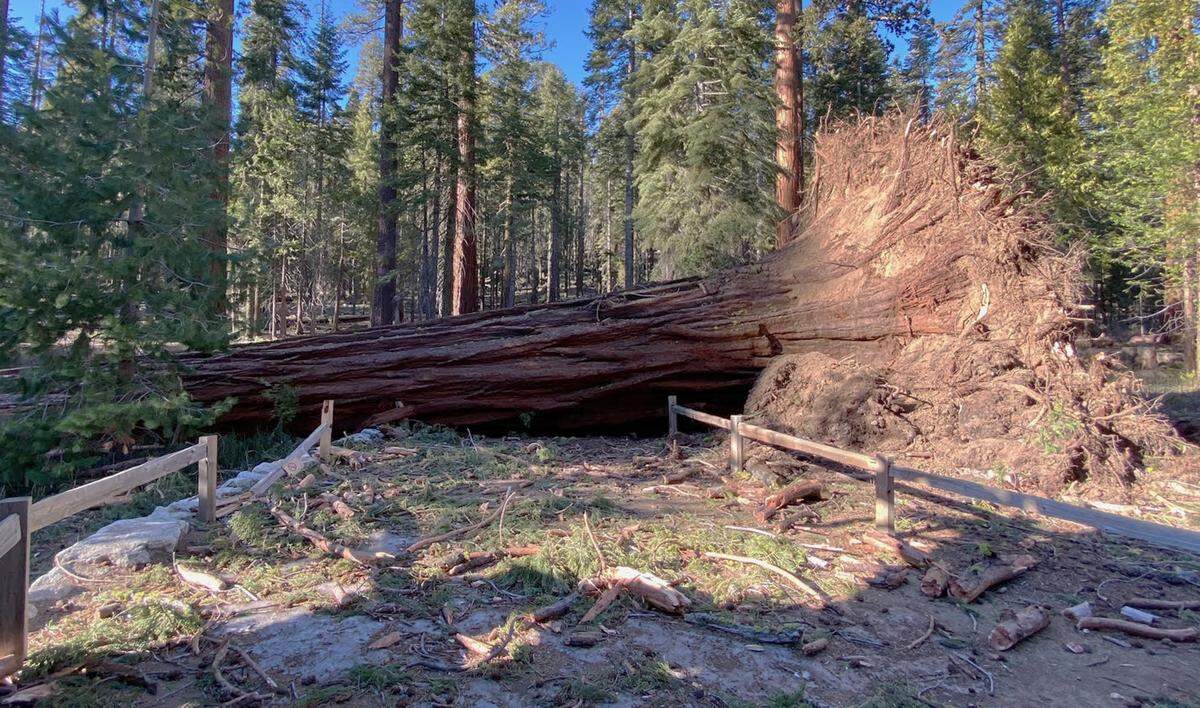
It’s an example of how giant sequoias “can’t catch a break right now,” Dean added, as others still standing are feeling the effects of drought, bark beetle infestations, and catastrophic wildfires – including the SQF Complex last summer that burned Giant Sequoia National Monument to the south.
Yosemite is increasing its research of giant sequoias and removing smaller vegetation near more of the ancient trees in an attempt to keep them safe from severe wildfires. Some fire is good for giant sequoias – the trees’ cones need flames to open them and disperse the seeds within – but wildfires have been growing larger and more destructive in California in recent years.
Crews will be removing vegetation soon in 22 acres of the Merced Grove of giant sequoias, located along Big Oak Flat Road (Highway 120 outside the park). The remote Merced Grove hasn’t received the same attention as its more visited counterpart to the south, the Mariposa Grove, home to the famous Grizzly Giant tree.
“Adult giant sequoias that have survived thousands of years are dying at unprecedented rates across their range. ... Firefighters have aggressively fought fire from entering Merced Grove four times in the last decade and eventually they will fail,” Yosemite fire officials said in a statement. “We can protect the grove by acting now.”
The Mariposa Grove remains closed due to January wind destruction, but is expected to reopen this spring. Yosemite Conservancy is in discussions with the Park Service about how it might be able to help there. Boardwalks in the grove and a bathroom were damaged by fallen trees.
Restoring meadow in newest part of park
Yosemite added the 400-acre Ackerson Meadow to the park in 2016 with support from the Yosemite Conservancy.
It’s located in the western part of the park near Hetch Hetchy. Dean said the meadow had been in Yosemite in the late 1800s, but the park boundary was changed in the early 1900s to remove it so it could be used for livestock grazing.
Restoration work will be ramping up at Ackerson Meadow to help improve the meadow’s hydrology. Similar work is planned for Lower Cathedral Meadow off Tioga Road in the high country.
“At just 3 percent of Yosemite National Park’s area, meadows may be home to one-third of all of the plant species found in the park,” the conservancy said in a statement. “Most of San Francisco’s water is filtered by Yosemite’s meadows, including Ackerson Meadow.”
Education and recognizing less-known park pioneers
The Yosemite Conservancy also is working to highlight the stories of less-known park pioneers.
That includes celebrating Japanese American artist Chiuru Obata, researching untold stories of African Americans in the park, and restoring a Chinese laundry building in the Pioneer Yosemite History Center.
Dean said many people of Chinese descent built the Wawona Road and the road into the Mariposa Grove.
“These stories get swept under the rug over time. ... We’re just trying to remind people that it wasn’t just John Muir and a couple other people like Galen Clark that were key players in the park’s early history,” Dean said.
_1899_Courtesy%20of%20NPS.jpg "1 Buffalo Soldiers (24th Infantry)_1899_Courtesy of NPS.jpg")
Online education is also continuing. There are new “virtual learning labs” where park rangers and educators can use 360-degree videos and other technologies. But more in-person education could return in 2021.
Yosemite’s annual Parsons Memorial Lodge Summer Series in Tuolumne Meadows, which features a variety of presentations about the natural world from a range of speakers, could be in-person in 2021 if public health conditions allow, “while continuing to embrace the wide reach afforded by online education.”
The park’s “Ask a Climber” program, where visitors learn about rock climbing, may also return to being in-person this year.
Researching endangered fishers and wildlife
The Southern Sierra population of the Pacific fisher, an elusive animal that resembles a weasel, became a federally endangered species in June, shortly before massive 2020 wildfires, including the Creek Fire, further threatened its existence.
Prior to those fires, scientists estimated there were less than 300 adult fishers in the Southern Sierra population.
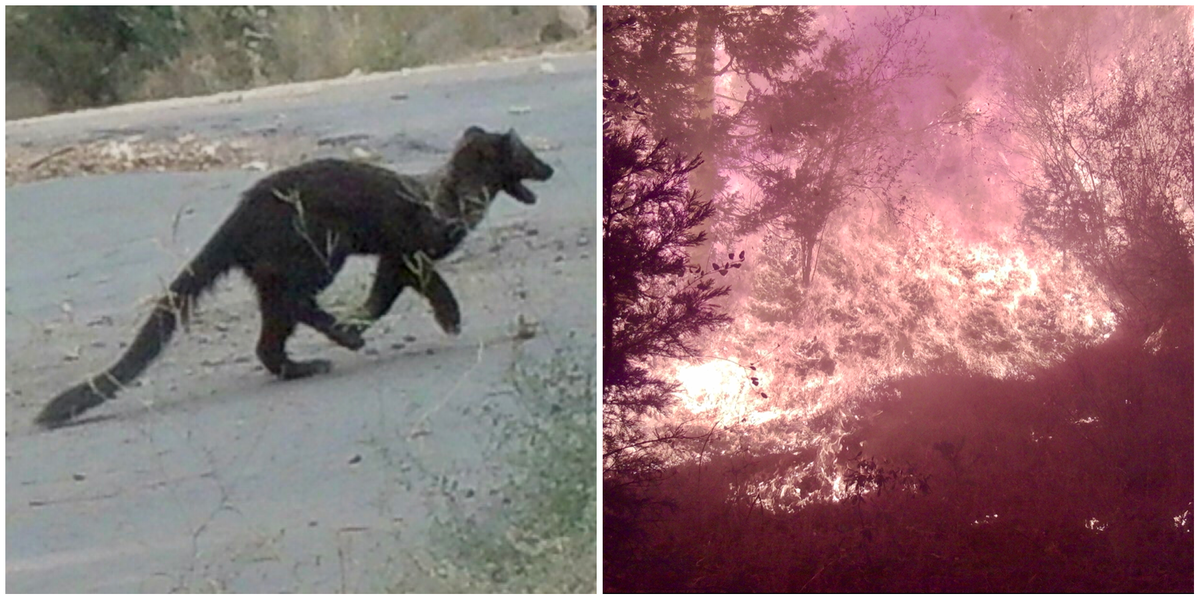
Biologists in Yosemite will be studying the mammal and its habitat this year. A small population of fishers was also found north of the Merced River, Dean said.
Park biologists are studying an array of other threatened animals, including the California red-legged frog, which was reintroduced in Yosemite in 2019.