Donald Trump’s immigration agenda is largely avoiding a vital California region
AI-generated summary reviewed by our newsroom.
- Immigration raids target Southern California, largely bypass Central Valley agriculture.
- Growers, court rulings and political strategy may shield agriculture from enforcement.
- Industry experts report fear, disrupted labor and confusion.
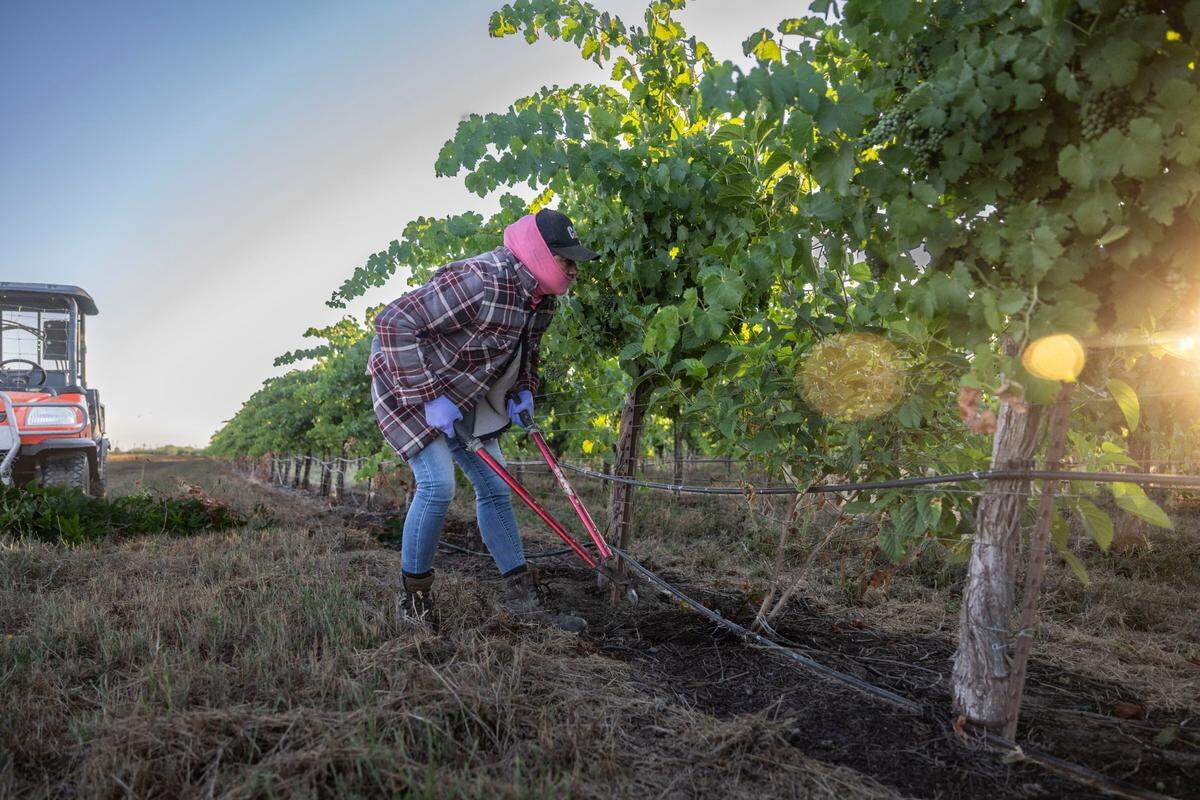
Sayda came home tired, much like she has for 15 years. She had worked hours trimming and irrigating in the grape fields of Yolo County on a hot July day.
In the last six months she has added a new post-work routine — looking over messages on her phone to see if federal agents are arresting farmworkers. On this day, she received a video of authorities dressed in military gear at a Southern California farm. They had used tear gas to disperse yelling protesters while agents moved through, arresting dozens of workers.
First, the video angered her. She felt the people, many of them immigrants like her, were treated like animals.
Her anger turned to anxiety. Sayda, a native of Honduras and a single mother of three, worried if the agents would come for her next, even though the raid was hundreds of miles away from her home.
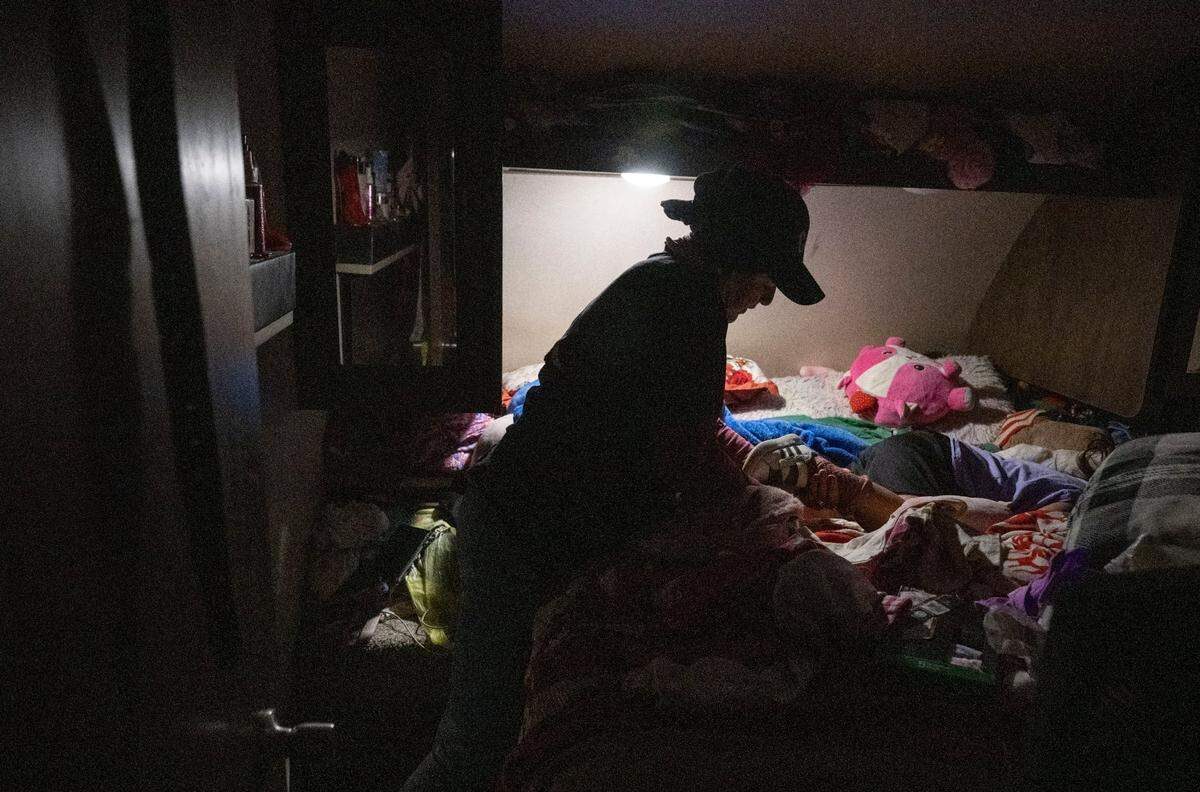
Sayda, 44, had already skipped work multiple times this year due to concerns about immigration enforcement.
“We don’t know what is going to happen,” she said. “We’re living in fear.”
So far, she has not been targeted by President Donald Trump’s effort to conduct the largest mass deportation campaign in American history. Federal authorities have arrested thousands of immigrants across California since Trump regained the presidency. Sunday marks the first six months of his second term.
Yet, his administration has largely avoided farms and produce businesses in California’s Central Valley, according to interviews with more than two dozen people familiar with the agricultural industry.
Beyond that, U.S. Immigration and Customs Enforcement, the Department of Homeland Security and U.S. Customs and Border Protection have not mentioned operations at Central Valley agricultural businesses since Jan. 20, based on a Sacramento Bee review of more than 1,300 news releases. Most of the farmworkers in the region are undocumented.
Immigration arrests are happening in the Central Valley, which produces much of the nation’s produce, though they tend to be smaller scale and less publicized by the administration. On Thursday, several people were taken away by masked federal agents at a Sacramento Home Depot.
Those interviewed said the influence of powerful agriculture businesses, Trump’s focus on creating a political spectacle in Southern California and a court ruling that has restricted some enforcement in the Central Valley could be protecting the industry.
“It’s been very quiet,” said state Sen. Melissa Hurtado, D-Bakersfield, the daughter of immigrant farmworkers and chair of the Senate Agriculture Committee.
Still, that does not comfort Sayda, who asked to be identified by only her first name because of her legal status.
She scrolls through her phone before leaving her trailer every morning. Not for weather or traffic, but for signs of if it’s unsafe to leave home. On any given week, she receives messages from friends and family of enforcement across the state.
“I don’t know if it’s true or a lie,” Sayda said. “It scares me regardless.”
‘Causing a lot of disruption’
In early January, dozens of Border Patrol agents unexpectedly swept across Kern County, home to Bakersfield, and arrested 78 immigrants.
People shared images and warnings on social media. Agricultural businesses weren’t explicitly targeted, but reports of arrests came from outside common places such as Home Depot and along the highway. The three-day operation occurred during the peak of the citrus harvest.
Roughly 75% of workers for a citrus harvester did not show up one day, said Casey Creamer, president of California Citrus Mutual, an industry trade group.
The Kern County arrests happened less than two weeks before Trump began his second term. Central Valley growers, advocates and farmworkers worried it was a preview of his return to office.
“It put us on high alert,” said Joe Garcia, CEO of a Kern County-based farm labor staffing agency.
Since then, government news releases have celebrated more modest arrest totals across the country. Federal authorities detained three workers at a tire shop in Pennsylvania, four employees at a Connecticut car wash and eight people at South Dakota businesses.
The biggest operation in the Central Valley, based on the news releases, came in March, when ICE said it arrested 44 people across six counties. Government data released publicly does not fully show where all immigration arrests have taken place.
ICE, Customs and Border Protection and the Department of Homeland Security did not answer emailed questions asking if they are intentionally avoiding Central Valley agricultural businesses.
Bryan Little, senior director of policy advocacy for the California Farm Bureau, doesn’t feel like the region’s agricultural operations have escaped the effects of the Trump administration’s aggressive enforcement.
He pointed to several unverified rumors of federal authorities at farms there during the last six months.
“What they are doing is sure causing a lot of disruption,” Little said. “It’s creating echoes in media and social media that’s making an impact, and causing people to not go in to work.”
The Trump administration’s multi-week operations in Southern California have led to many more viral images of public arrests. One video appeared to show a federal official chasing a farmworker through a field.
Immigration authorities have swarmed Los Angeles, detaining people on streets and outside Home Depots, raiding businesses and a park in major displays of force. In the last month, they have targeted farms and packinghouses in Ventura County, rattling workers and growers.
Authorities on July 10 detained at least 361 people at two Southern California marijuana farms, according to the Department of Homeland Security. The video Sayda received after her workday came from that operation.
Marco Lizarraga, executive director of La Cooperativa Campesina de California, an organization that helps coordinate services for farmworkers, said he expects more enforcement in the Central Valley.
“The fear that is generated in our communities,” he said, “I have never seen before.”
‘Pins and needles’
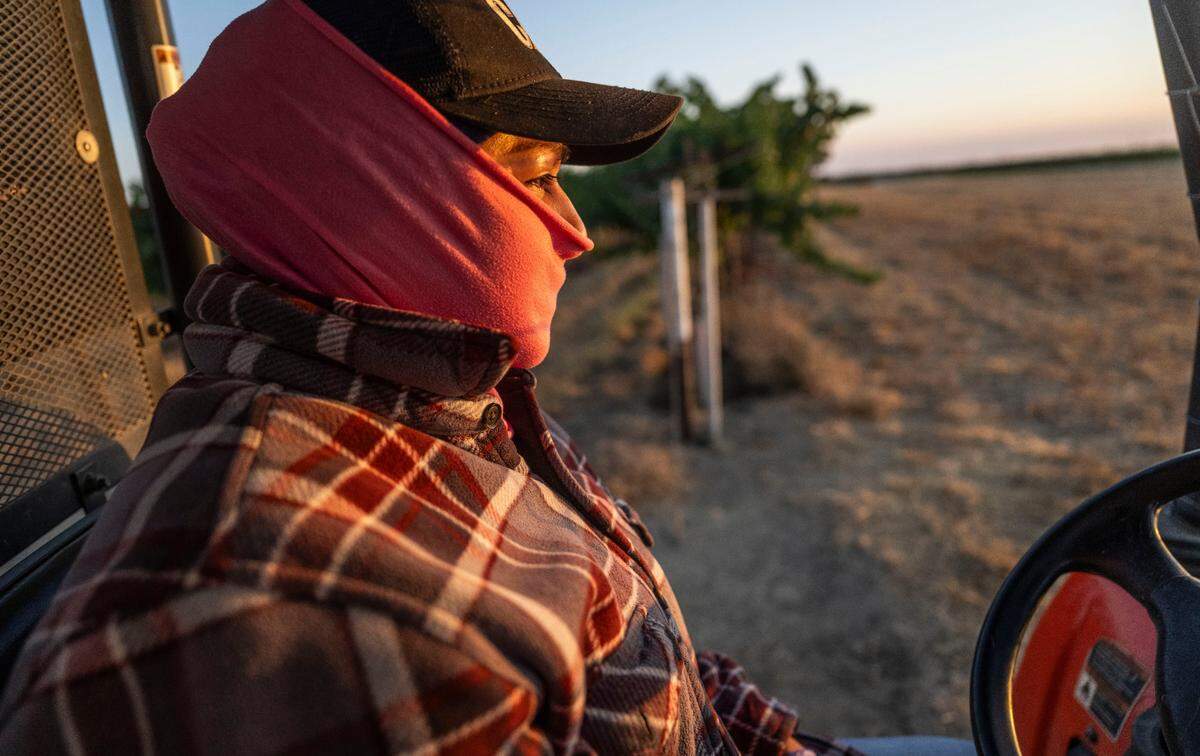
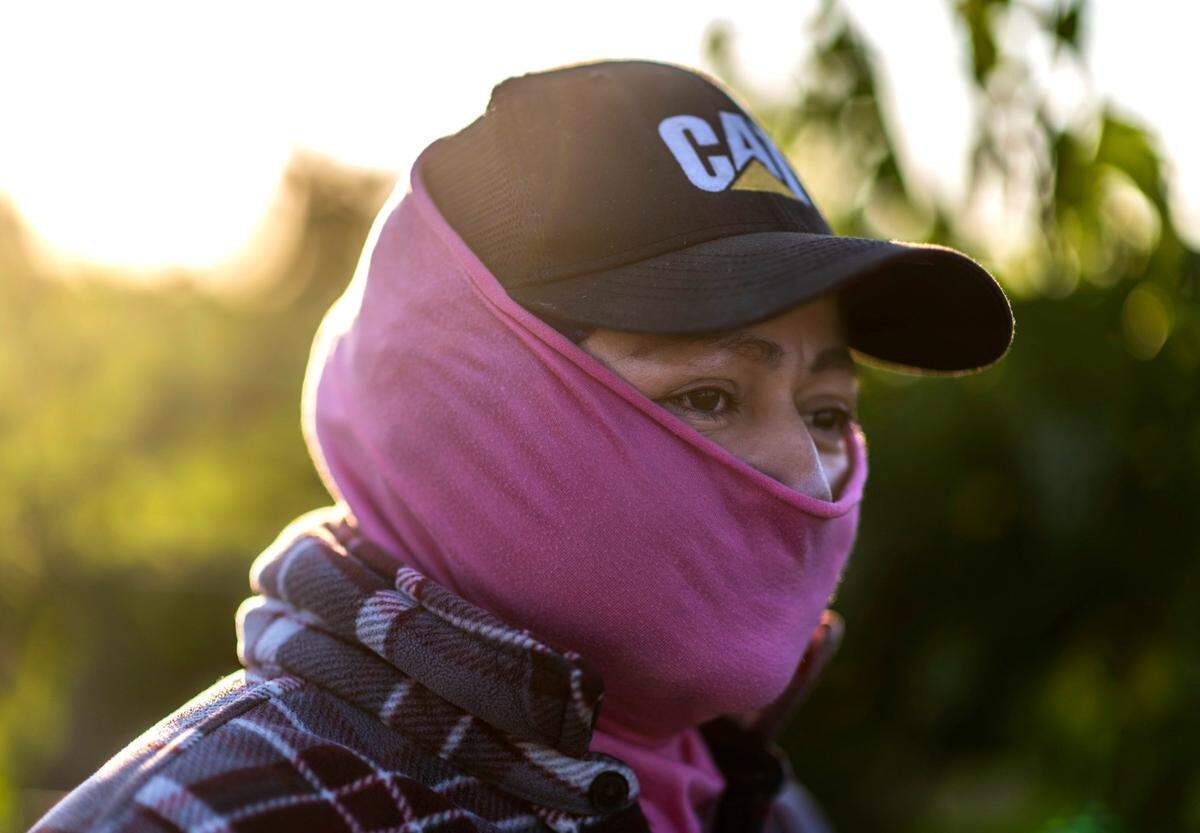
Sayda woke up on a recent morning before 5 a.m. She prepared chicken and rice for lunch and armed herself with a long-sleeved shirt, bandana and hat to protect from punishing heat.
She moved quietly through her Yolo County trailer so as to not wake her 2-year-old daughter, the only one of her children born in the U.S.
The trailer, which sits on a dirt parking lot, has one bedroom and a small dining table. A couch filled with dolls sits in one corner, a pile of shoes left by her 16-year-old fills another.
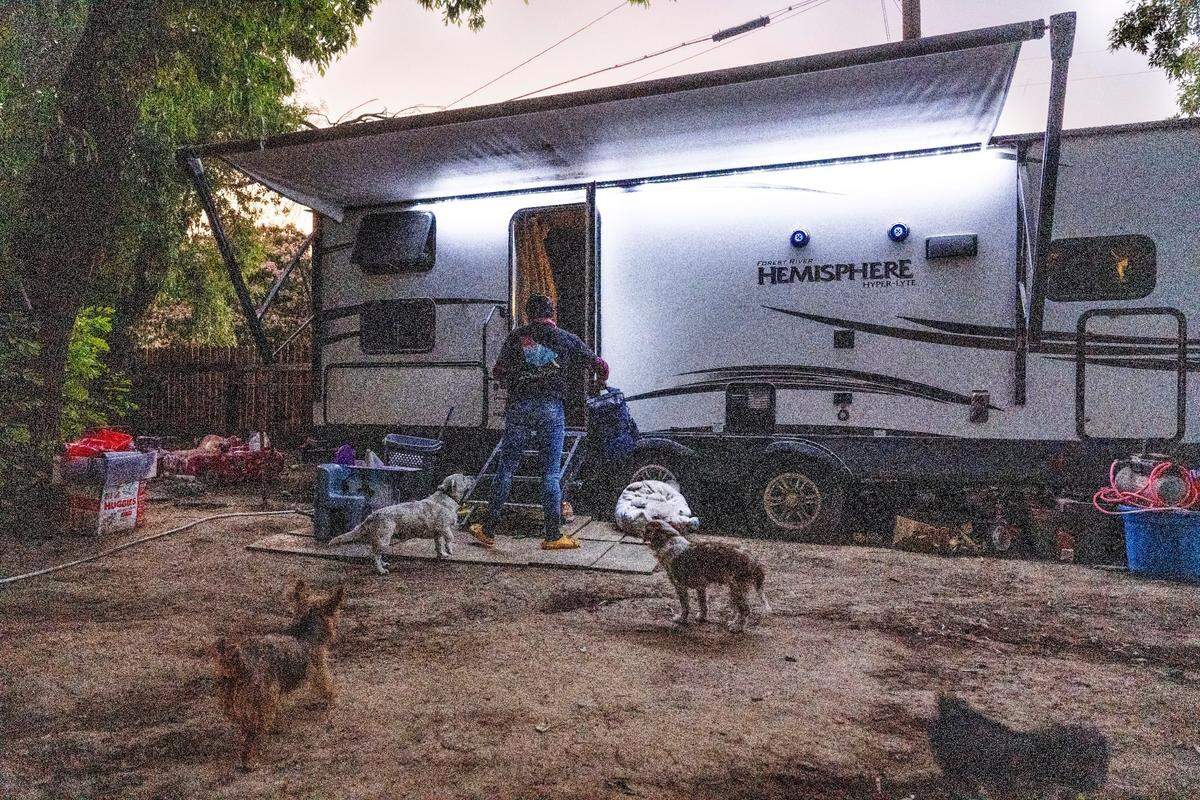
In 2010, she came to the U.S. with her 1-year-old son. She started working in the fields harvesting onions in her first week.
Sayda left behind her oldest son, who was 9, with family. Three years later, she paid for him to join her.
“I came to give them a better life.”
Pablo Alvarado’s parents had the same dream when they brought him and his four sisters from Michoacán, Mexico to Woodland in the early 2000s.
He started working at a packing factory, and then construction. He has spent the last 18 years in agriculture.
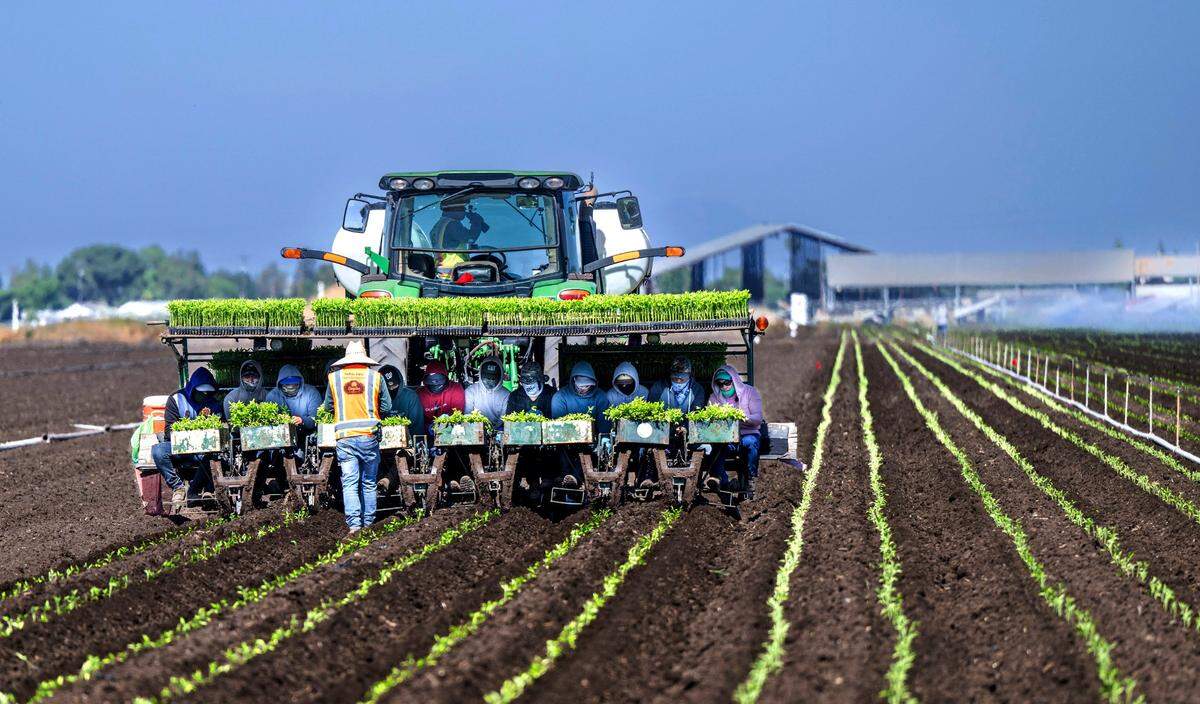
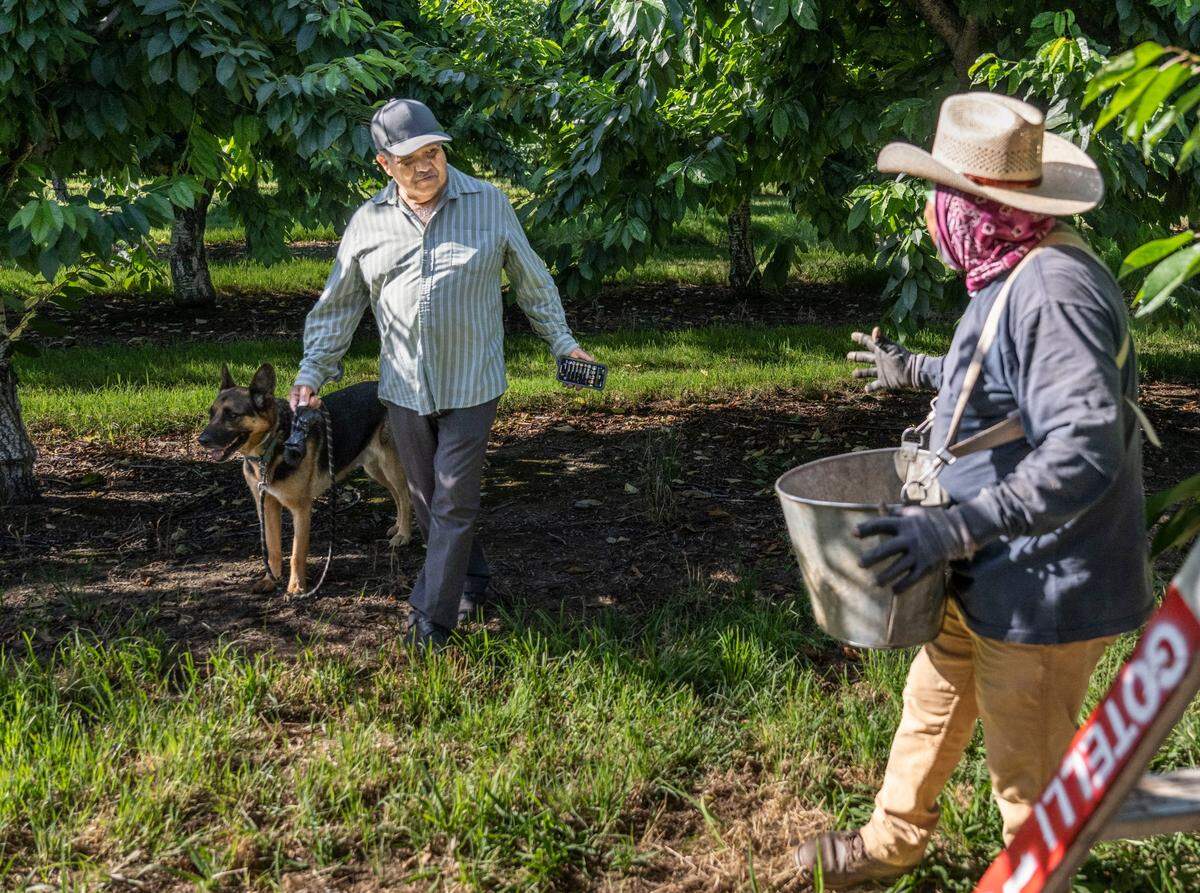
Alvarado, 38, is now a citizen and a foreman in charge of about 50 workers who plant and pick tomatoes in Yolo County. He estimated that at least 80% of them are undocumented.
“They put in so much effort, working from 6 in the morning to 6 in the afternoon,” he said.
Since Trump returned to office, Alvarado said his employer provided instructions on what he must do if immigration agents arrive on the property — he should not automatically allow them to come onto the fields. Federal law generally requires that officials have a warrant, or the owner’s consent, to step onto non-public areas of a farm.
Alvarado was told to request that authorities not enter and to call human resources or his supervisor.
“It’s a way to protect the workers,” he said.
The fear of arrests is not isolated to farmworkers.
Several farmers across the region did not return phone calls and emails requesting interviews. Joe Del Bosque, a normally outspoken melon farmer based in Firebaugh, about 40 miles west of Fresno, declined to comment.
Manuel Cunha Jr. said he is on “pins and needles,” particularly because the grape harvest is underway. The president of the Nisei Farmers League, a Central Valley growers association, worries that operations would disrupt the picking. The fruit requires skilled workers who know when it is ready, he said.
Cunha sits in his office, counting down the months that remain before the harvest is finished and wondering: “Am I going to get calls?”
‘Part of the calculus’
There’s no definitive answer for why the Central Valley’s agriculture industry has been largely spared.
“I wish I could tell you,” said Teresa Romero, president of United Farm Workers, a historic labor union co-founded by Cesar Chavez.
Romero thinks one factor is a lawsuit the group filed against Border Patrol officials over the Kern County operation. It accused agents of “a fishing expedition, dispensing with reasonable suspicion and stopping people based on assumptions about their race or occupation.”
In response, a federal judge in late April barred the agency from certain stops and arrests in an area that stretches from Bakersfield to the Oregon border.
Still, Border Patrol agents under the Trump administration weren’t targeting the state’s agricultural industry in the three months before the judge’s order, according to the news releases and interviews. It also does not apply to ICE, which carries out much of the nation’s enforcement.
Another federal judge earlier this month issued a ruling temporarily restricting operations in the Los Angeles area.
The administration may also be making a political judgment. Voters in major Central Valley agriculture producing counties, including Fresno, Tulare and Merced, supported Trump over Kamala Harris in the November election. In Kern County, where the Border Patrol raids happened in January, Trump won more than 59% of the vote.
He received less than 32% of ballots cast in Los Angeles County.
The Central Valley is home to hotly-contested seats in both the House of Representatives and California Legislature. Some state Republican lawmakers in a letter last month urged the president to direct immigration authorities “to avoid the kinds of sweeping raids that instill fear and disrupt the workplace,” including farms.
“You drive up the 99 (highway) during election season, and you see the signs for Trump and for members of his party,” said Edward Flores, faculty director at UC Merced’s Community and Labor Center. “So, there’s probably some calculation on the part of his staff that that’s not where they need the spectacle.”
Flores believes the administration has created a “display of political and military muscle” in Los Angeles.
UC Davis law professor Leticia Saucedo, who specializes in immigration and labor law, said the Trump administration would not be the first one to shield certain employers from mass deportations.
“The ag industry is usually protected no matter what administration,” she said. “The needs of the growers become part of the calculus.”
In recent weeks, Trump has publicly hinted about potential exemptions for the industry.
“We don’t want to do it where we take all of the workers off the farms,” Trump said at a July 3 rally in Iowa. “We want the farms to do great like they’re doing right now.”
Days later, Agriculture Secretary Brooke Rollins said there would be no amnesty for workers and that mass deportations would continue but in a “strategic and intentional way.” Those comments have added confusion for people across the industry.
Romero, of UFW, said Trump has not offered any solutions for farmworkers. She pushed for him to get behind a bill reintroduced this year that would provide a legal pathway for agricultural employees. The effort has secured support from growers, and both Republican and Democratic lawmakers.
“I think he understands that he wants to protect farmers, not farmworkers,” she said. “And that’s something that we are very concerned with.”
Tom Barcellos, a dairy farmer between Fresno and Bakersfield, supports the president. He has met Trump a few times since 2016 and views him as a problem solver.
The farmer worries that people in the government will try to push enforcement beyond what the president wants.
“The president has said it, he understands,” Barcellos said. “We need the immigrants that are working.”
White House spokeswoman Abigail Jackson called Trump “a tireless advocate for American farmers,” in response to an emailed question about the administration’s limited enforcement of Central Valley agriculture workers.
“He trusts farmers and is committed to ensuring they have the workforce needed to remain successful,” Jackson said. “But there will be no safe harbor.”
‘Who else would do it’
On her trips to the grocery store, Sayda said she is on alert looking for any suspicious cars on the road. After parking, she takes a few seconds to look around. Before leaving the store, she prays that immigrant agents aren’t outside.
“You don’t go out with the same confidence,” she said.
Sayda constantly receives unverified messages that immigration authorities may be nearby, adding to her anxiety. Last month, she and others fled after receiving a notification that agents were entering the fields. She remains unsure if it was true.
She prays that her teenage son, who she cradled across the border and who remains undocumented, will be safe every time he steps out of the trailer for school or to play soccer with his friends.
Sayda has heard about some of Trump’s comments on protecting farmers, and potentially even workers, through social media and word of mouth. She has doubts, yet knows her importance.
During her time in the fields, she’s harvested tomatoes, almonds, nuts, grapes, pumpkins and “basically every vegetable.” When she gets home from work, her hands ache from holding scissors and her body is sore from a day of bending over.
U.S. citizens, she said, won’t spend hours under the beating sun to pick the country’s produce.
“It’s the immigrants who work the land, who fix their houses, who make their food,” she said. “Who else would do it?
“No one.”
This story was originally published July 17, 2025 at 5:00 AM with the headline "Donald Trump’s immigration agenda is largely avoiding a vital California region."