
California Citrus CEO: Immigration raids target the wrong people, undermine food supply | Opinion
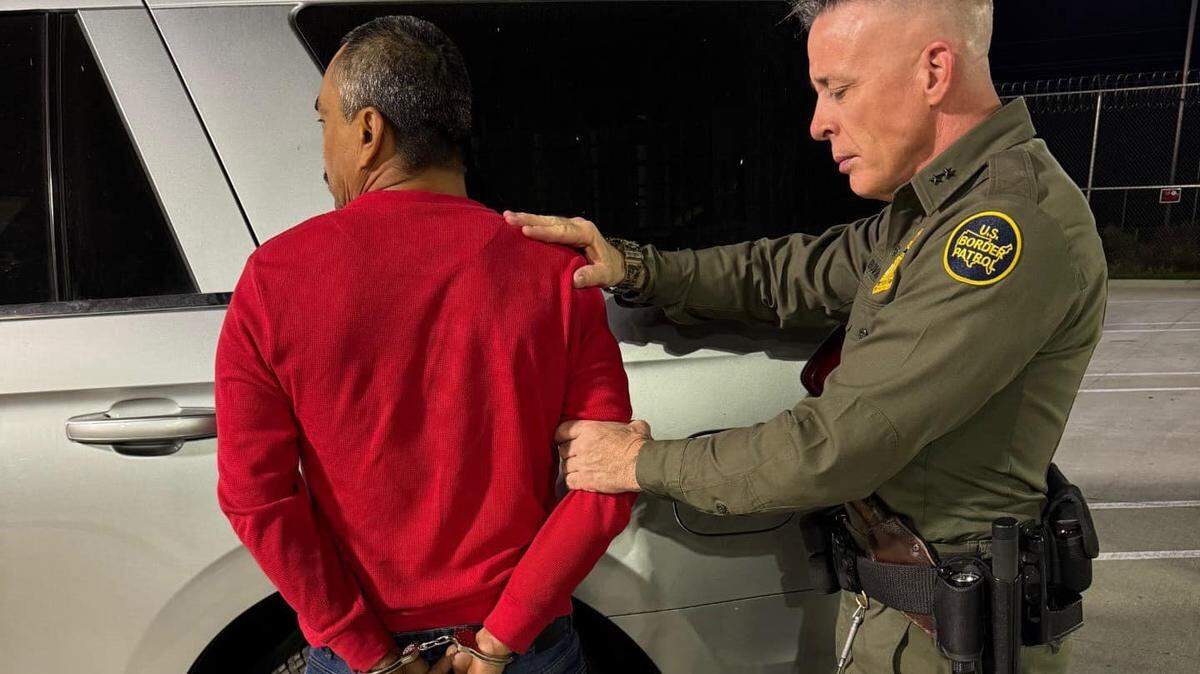
On Jan. 7, the pre-dawn quiet of Kern County was shattered by a series of Customs and Border Protection raids billed as “targeted criminal enforcement.” The day after the first Kern County sweep, one citrus operation reported that 25% of its workers did not show up. By the following day, that number had climbed to 75%.
In theory, these raids should focus on apprehending dangerous criminals — an essential and legitimate function of immigration and border agents that I fully support. In practice, however, these sweeps have cast a far wider net. Farmworkers, many miles from the nearest border checkpoint, were profiled, detained and, in some cases, taken away with little to no explanation. Now, many farmworkers, including in California’s Central Valley, are afraid to go to work or send their children to school for fear of being swept up in sudden enforcement actions.
Chaotic, indiscriminate raids on our agricultural workforce will result in economic harm and higher food prices. Congress and the new presidential administration must support and enact legislation that acknowledges the indispensable role of immigrant labor in our food system while equipping border agents with the proper tools and guidelines to target true criminal activity.
In the absence of such a solution, these sweeps will continue to instill fear in and disrupt the lives of the same men and women who worked tirelessly during the pandemic, with no option to telecommute, protecting our nation’s food security as they always have.
Social media posts suggest similar raids could soon spread to Fresno and Sacramento, threatening entire rural economies and the safety of families across our state.
Economists warn that if these raids continue or expand, our state’s agriculture sector faces a disruption unlike anything we’ve seen in decades — one that could spike grocery prices nationwide. This is the citrus industries peak harvest season. Without our workforce, fruit will go unpicked, packing-house lines shut down and trucks will sit idle.
California’s citrus industry is an economic engine that supports more than 24,000 jobs and contributes over $1.9 billion to our state’s GDP. An abrupt loss of labor would send shock waves well beyond our borders.
Behind these alarming statistics lie the real stories of people caught in these sweeps. Consider the recent ordeal of Bakersfield resident and U.S. citizen Ernesto Campos. Border Patrol agents slashed his tires, detained him for four hours under suspicion of “alien smuggling” and released him only after confirming his citizenship.
Campos says that, since the raids, half of his employees — terrified by the sweeps — have stayed home. Such incidents not only highlight the deeply personal and immediate impact of indiscriminate enforcement, they also erode public trust in our immigration system as a whole.
Law enforcement should be enabled to pursue those who pose a genuine threat to our communities — no one wants criminals roaming our streets — but the broad brush of these sweeps has harmed families, disrupted agriculture and left countless people fearful of basic daily activities.
If we continue down this path, the uncertainty will deepen, jeopardizing rural economies and the stability of our nation’s food supply.
In response to these actions, local nonprofits and business associations are stepping up to provide legal resources, setting up hotlines and offering “know-your-rights” workshops. These efforts help fill urgent gaps, but they cannot replace meaningful, long-term policy solutions.
The House of Representatives has already passed the Farm Workforce Modernization Act twice with bipartisan support, only to see it stall in the Senate. This bill would create a legal pathway for agricultural workers and their families, ensuring a stable workforce for our citrus growers and beyond — an outcome that benefits everyone involved.
Ultimately, all Americans should be alarmed at the direction these raids have taken. We owe a debt of gratitude to farmworkers who labor in the fields so that the rest of us can enjoy fresh produce year-round.
I urge voters, policymakers and business owners to advocate for responsible, comprehensive immigration reform. Together, we can protect our neighbors, uphold the legitimate mission of law enforcement and preserve our local economies and our nation’s food security.