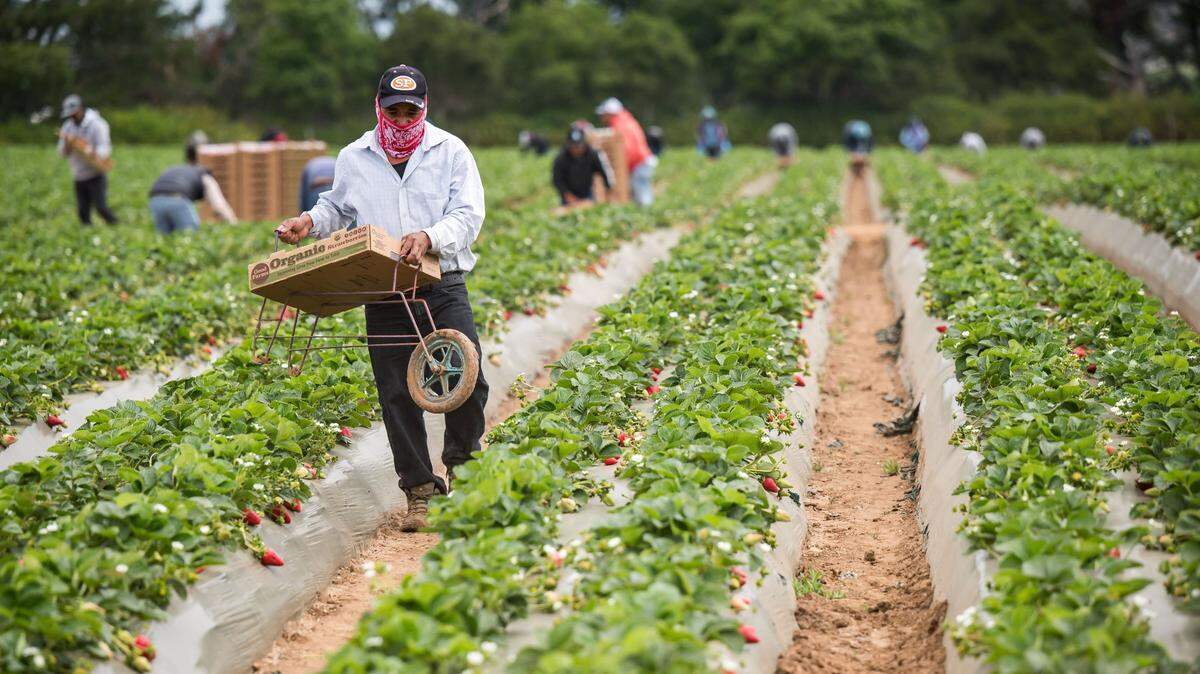
Migrant farmworkers want to live in California. There’s just no affordable housing for them
READ MORE
Migrant Farmworker Housing
Click the arrow below for more coverage of California’s 24 migrant farmworker housing centers.
Expand All
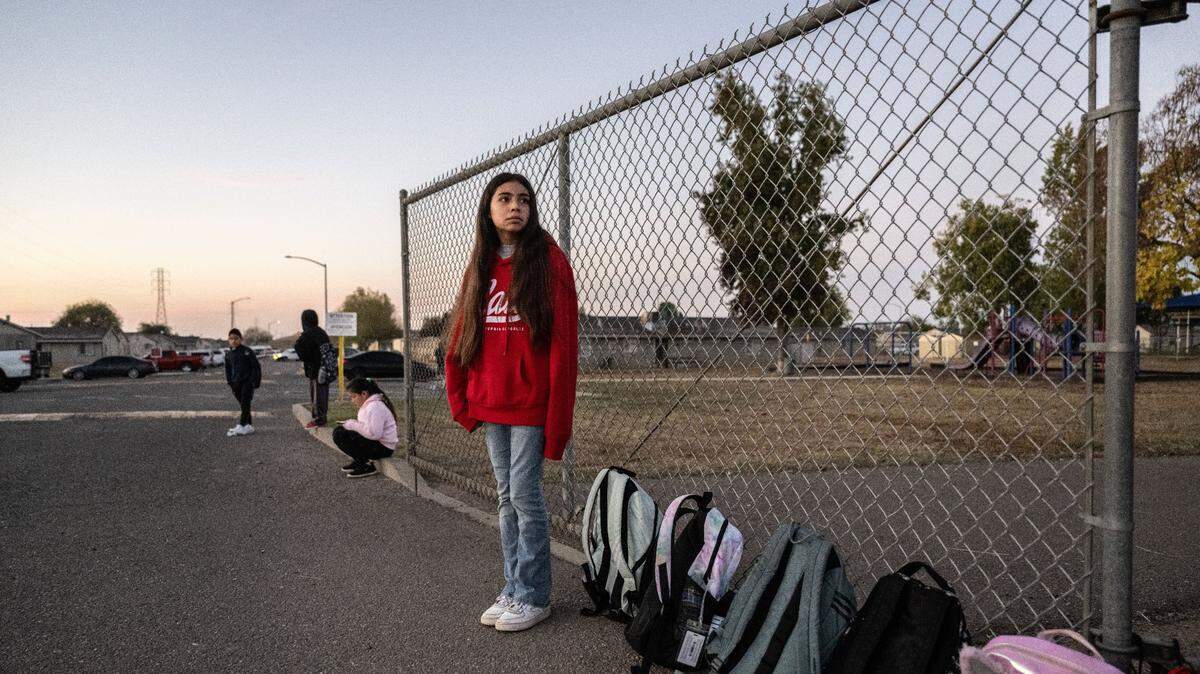
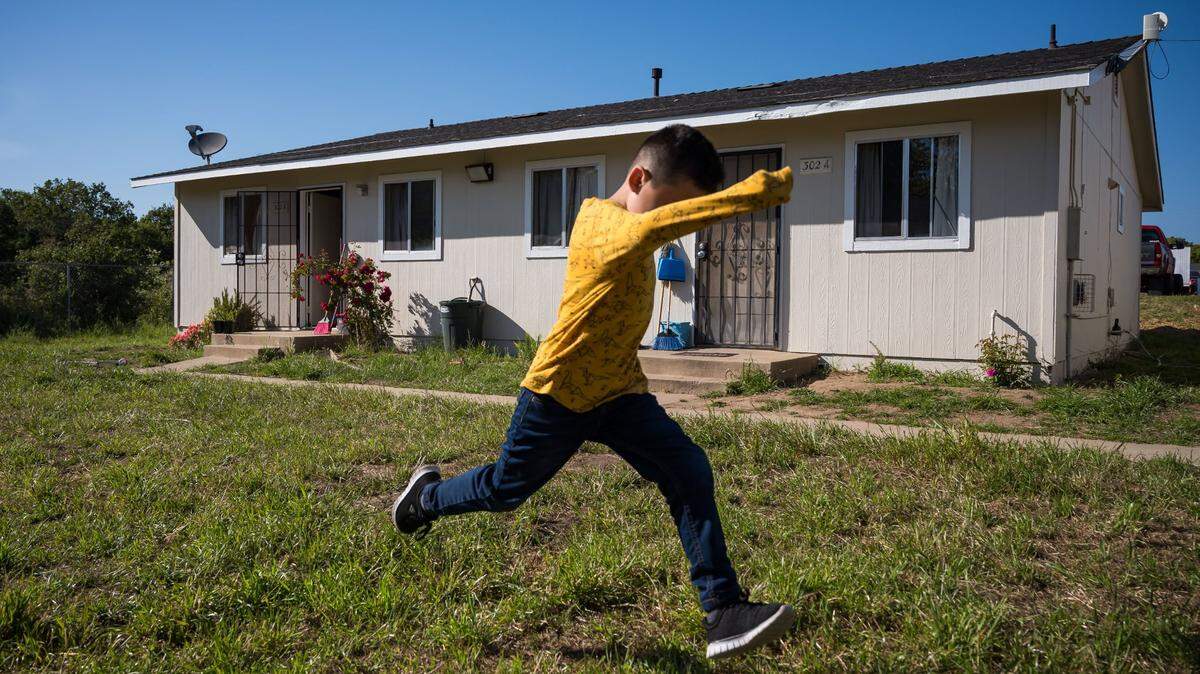
Many migrant farmworkers living in California-run housing would settle full time in their communities if they could find affordable housing, and their children struggle to keep up in school as a result of frequent moves.
This is what The Sacramento Bee learned during a year-long investigation into the state’s 24 migrant farmworker housing centers, which provide subsidized units for seasonal workers.
Reporters visited seven centers in Northern California, the San Joaquin Valley and on the Central Coast. They surveyed 150 families about their experiences living in the housing and moving every year when it closes for three to six months.
These centers date back to the 1970s, and they typically house about 7,000 farmworkers every year. To live there, individuals must meet an income requirement, prove they work in agriculture and live at least 50 miles away for three months after the season ends.

The number of migrant California farmworkers has decreased significantly over time. U.S. Department of Labor data shows about 92% of California farmworkers were settled in 2019-2020.
The dwindling number of migrant farmworkers has led some advocates to question the seasonal nature of the centers, which forces families to leave the communities where they work every year. Others say requiring farmworkers to move ensures housing is available only for migrants, who face a unique struggle to find places to live.
The Bee surveyed farmworkers at centers in Davis, Lodi, Williams, Watsonville, Hollister, Patterson and Atwater, where 99% of residents primarily speak Spanish. Here are our findings.
Would farmworkers stay at the migrant centers year-round?
More than 80% of the farmworkers surveyed said they would stay if their units were available year-round. Operation of the centers costs roughly $12 million per year.

The majority of farmworkers migrate to Mexico during the months when their centers are closed, although some travel to other places in the United States.
Does migrating harm your children’s education?
About 69% of the farmworkers with children reported that the seasonal migration affected their children’s education.

Many expressed dismay about pulling their children out of school midway through the year. Parents reported their kids are struggling to learn English, experiencing stress, failing to meet school requirements and falling behind in classes.
Some parents have spent decades living in the housing centers, first coming as children and now returning with families of their own. Migrating led to learning loss and an eventual career in farm work, those parents said. They fear their children will face similar challenges.
Reasons for migrating
The most common reasons farmworkers cited for migrating included high rent, lack of work in the area and cheaper costs of living at their next destination.
Few farmworkers reported they follow their work from place to place, although some said they do not stick around after the centers close because their season is mostly over.
A handful of families said they own or rent off-season homes in other areas where the cost of living is cheaper, including Mexico, Texas and Arizona. They earn more money working in California, then return to permanent houses in places that are more affordable.

Pay
The median pay for farmworkers surveyed is $16 per hour.
Tenants living in the centers pay rents that are heavily subsidized — most families spend less than $400 per month.
For farmworkers earning slightly more than minimum wage, that means the migrant centers may be their only affordable option for living in the communities where they work. When the centers close, most families cannot find anything comparably-priced.
Number of seasons at center
Many farmworkers The Bee surveyed continue to return to the migrant centers year after year, sometimes for decades.

About 41% of those surveyed had lived in the migrant centers for 10 seasons or more. Nearly 50% had lived in the centers for two to nine years.
Some current residents grew up in the centers and later returned to live there with their own children and families.
Map by Phillip Reese. Page development by Gabriela Hanna, Susan Merriam and David Newcomb.
This story was originally published December 7, 2023 at 5:00 AM with the headline "Migrant farmworkers want to live in California. There’s just no affordable housing for them."
BEHIND THE STORY
MOREHow we reported these stories
Why did we investigate migrant housing centers?
Most Californians likely don’t even know this state-funded housing exists. We were not aware of it until we first visited the Davis Migrant Center in 2022. We developed Stuck in Migration to learn more about the overlooked and underserved communities that live there.
Read more by clicking the arrow in the upper right.
The state’s 24 centers provide seasonal housing for migrant farmworkers from April through October or November. Residents must work in agriculture, income-qualify and move at least 50 miles away for three months after the centers close.
Housing authorities, nonprofits and growers’ associations own the land and manage the housing. The state Department of Housing and Community Development subsidizes residents’ rent.
In February, we wrote about legislation exempting migrant residents with school-age children from the rule requiring a 50-mile move once the centers shut down. The law was largely ineffective, in large part because farmworkers cannot afford to remain in the communities where they work once they lose their affordable housing.
This prompted us to delve deeper into the migrant centers. We wanted to know whether they were effectively serving modern California farmworkers, most of whom no longer migrate.
What went into our investigation?
Our goal was simple: We wanted to learn more about this population, their life at the centers and if there should be changes to the housing.
We traveled throughout Northern California, the San Joaquin Valley and the Central Coast to visit seven different centers: Atwater Livingstone, Patterson, Hollister, Buena Vista, Davis, Williams and Harney Lane. We arrived at each center in the afternoon, hoping most people would be off work at that time.
And at each center, we went door-to-door and talked to the farmworkers living there in Spanish, asking about their lives — the number of people in their households, race and ethnicity, years living at the center, their work, their pay, their reasons for migrating. They told us about conditions at the center and if they would live there if it was open year-round.
Surveying a household would typically take from five to 20 minutes, depending on how much the individual wanted to divulge. Nearly everyone was willing to be surveyed, and some people even invited us into their homes.
They offered to feed us and provide water while telling us about the challenges that come with their migratory lifestyle. Eventually, we surveyed 150 households, nearly all in Spanish.