
A psychedelic primer: Which hallucinogens offer possible help with health problems?
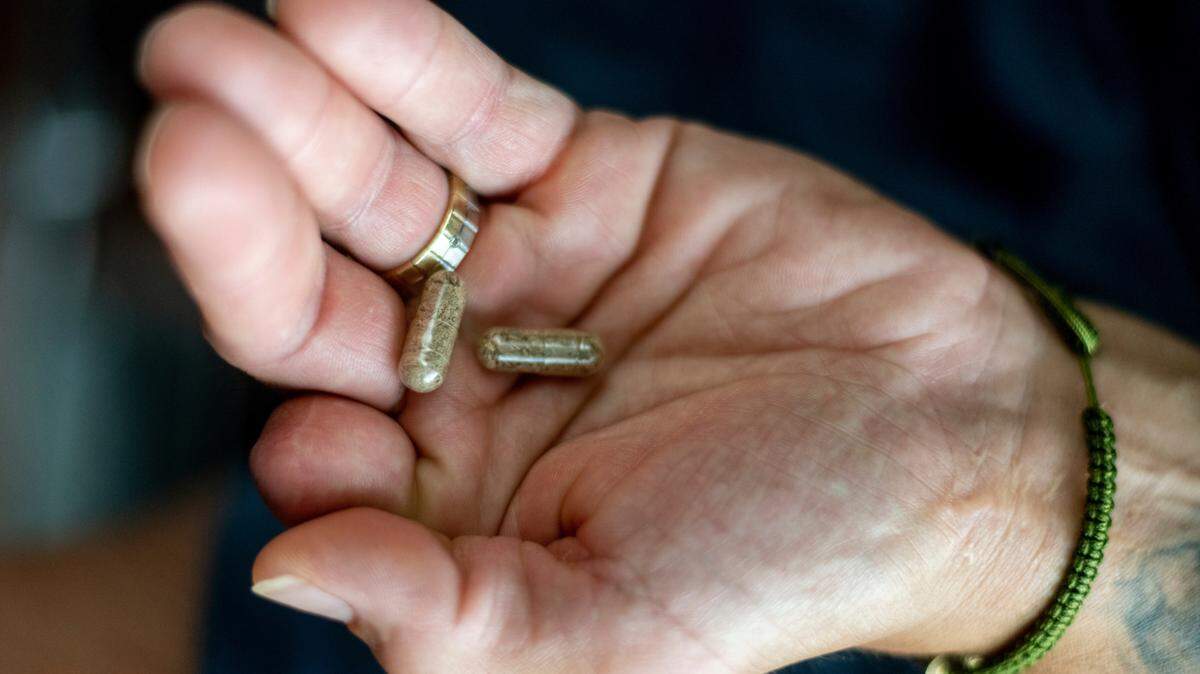
Many Americans are familiar with psychedelic drugs. But many are not.
With polls showing that a majority of the public believes that hallucinogens can provide lasting breakthroughs for stubborn mental illnesses and addiction disorders, it’s important to know which substances we’re talking about.
Numerous psychoactive substances are considered a type of plant-based or synthetic psychedelic, but these are the most common. Of these, psilocybin and MDMA have been the most widely researched in recent years, and at the moment are the only ones expected to receive FDA approval for treatment anytime soon.
Psilocybin
Psilocybin is the main ingredient in magic mushrooms and is naturally produced by more than 200 species of fungi. Once ingested and metabolized, psilocybin activates serotonin receptors in the brain that affect mood, cognition and perception.
Several landmark studies, including research by Johns Hopkins University and New York University, have documented psilocybin’s effectiveness as a treatment for major depression and alcohol addiction when combined with counseling.
MDMA
Also known as ecstasy and molly, MDMA is a synthetic drug that increases the activity of three neurotransmitters, serotonin, dopamine and norepinephrine. This causes mood-elevating or “prosocial” effects that make users feel more friendly, loving and strongly connected to others.
A groundbreaking study by the Multidisciplinary Association of Psychedelic Studies (MAPS) last year found that 67% of people who received MDMA-assisted therapy “no longer met the diagnostic criteria for PTSD” just two months after treatment. Before MDMA-assisted therapy can be approved, the Food and Drug Administration needs a second positive Phase 3 trial, which is underway and could release its findings as early as next year.
LSD
Colloquially known as acid, LSD is a potent synthetic chemical made from a substance found in ergot, a fungus that infects grain. It was first synthesized in 1938 by a Swiss chemist, Dr. Albert Hofmann, who worked for a pharmaceutical company and sent the drug to interested researchers around the world, launching decades of psychedelic research in the mid-20th century.
The hallucinogen eventually reached a Harvard psychologist Timothy Leary, the infamous psychedelic evangelist who unabashedly brought LSD into the 1960s zeitgeist and encouraged people to “turn on, tune in, drop out.” It also reached Ken Kesey, renowned author of “One Flew Over the Cuckoo’s Nest” and a Stanford University fellow behind the famed acid test bus rides that sparked the country’s hippie counterculture movement.
The therapeutic effects of LSD are still unclear, if any. Some limited studies have shown signs that it could help with anxiety or boost social interaction but more research is needed for regulators to believe it could have any therapeutic benefit. For now, it’s mostly viewed as a recreational drug.
Ayahuasca
Ayahuasca is an entheogenic drink brewed by indigenous tribes in the Amazon basin for thousands of years, used primarily in social gatherings and spiritual ceremonies. The drink is prepared using plants that contain an ingredient known by the shorthand DMT, which is a Schedule I controlled substance in the U.S.
Similar to LSD, clinical research showing therapeutic benefits has been limited. A 2018 study found that it could significantly reduce the symptoms of treatment-resistant depression.
This story was originally published September 9, 2022 at 5:00 AM with the headline "A psychedelic primer: Which hallucinogens offer possible help with health problems?."