
There are consequences to a school walkout. But is getting shot one of them?
When Sandra Erwin picked her daughter up from Clark Intermediate School last Friday, she noticed that the girl looked upset. The 12-year-old said her Spanish teacher had told the students not to participate in any #enough protests because it could draw too much attention, and someone could come shoot them.
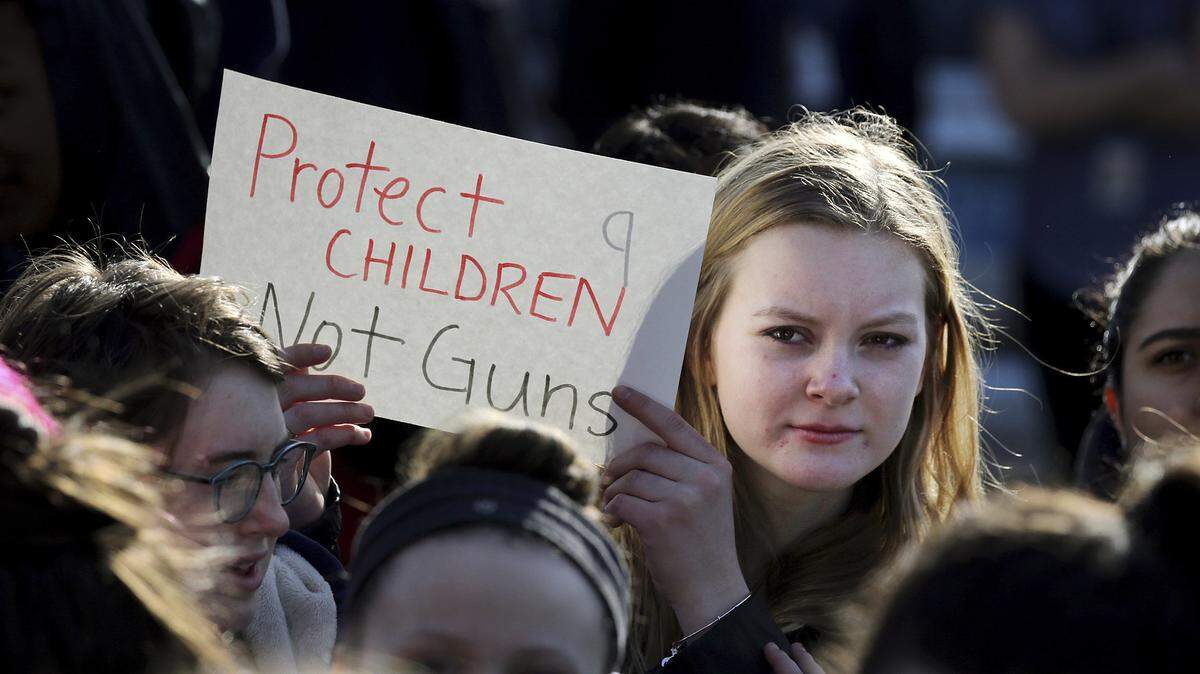
School walkouts in protest of gun violence are planned nationwide Wednesday, one month after the shooting at Marjory Stoneman Douglas High School in Parkland, Florida left 17 people dead. The demonstrations have been a controversial topic at Clark, where a science teacher has already apologized for encouraging his students to protest.
At first, Erwin didn’t know how to approach a conversation with her daughter after the Parkland shooting. But following threats of violence at other Fresno schools, Erwin felt she had to say something. During their talk, her daughter cried.
Typically a straight-A student, her daughter had said she might want to participate in the walkout, but was afraid of getting in trouble. After the comment from the Spanish teacher, she said she no longer had an opinion.
“She’s the type of kid who’s always there, always on time,” Erwin said. “But the school makes her feel like she’s doing something wrong.”
Erwin said if her daughter does decide to participate in the walkout, she’ll sign her out of school. She has also filed a complaint against the teacher.
Erwin wants any students and parents who walk out of Clark Intermediate Wednesday to walk to congressman Devin Nunes’ office, which is just down the street from the school in Old Town Clovis.
“They need to know where to direct what they’re feeling,” she said.
Like other Clovis Unified parents, Erwin received an email from the district over the weekend outlining how classrooms will approach the planned demonstrations. Schools will host optional activities, such as memorial assemblies and in-class discussions, as an alternative to walkouts. For students who choose not to participate, Wednesday will be a regular school day.
The email also included a reminder to students and parents that truancy laws prevent students from leaving class without permission. Any students who do choose to leave CUSD campuses will have to follow regular check-in procedures at the main offices to get back into class, according to district spokeswoman Kelly Avants.
Student walkout events are planned throughout Valley schools for Wednesday. Fresno Unified is also urging students to consider alternatives to leaving campus, with the focus on a Fresno High rally planned by alumni set for Saturday, March 24, instead.
Central Unified will "offer various activities and safe spaces for students to express themselves" in lieu of a walkout, including offering a "message wall" for students to express their opinions on the issue, according to a news release issued Monday.
"If a walkout occurs, the district's safety protocols can only encompass students on campus. While Central Unified respects the rights of those who choose to protest peacefully, the safety of students and staff will remain the district's top priority," a Central Unified spokeswoman said.
The primary responsibility for ensuring students remain in school lies with the child’s parent and the School District.
Officers will not be diverted from their normal duties in order to round up students who are in violation of truancy laws on this day. Should students leave their respective campus and involve themselves in criminal behavior, officers will respond accordingly.
Students have First Amendment-protected rights to peacefully assemble, but at public schools, they can still be disciplined for missing class, according to the ACLU. Truancy laws mandate that students go to school, and schools can determine the punishment for students who are absent. Walking out of school in protest is not exempt.
But the ACLU emphasizes that outside of school and school hours, students have the same right to protest and advocate as anyone else.
Other schools across the country have threatened to discipline students who participate in the #enough walkouts. However, many universities have said that they will not hold any punishments incurred as a result of the protests against students during the admissions process.
This story was originally published March 12, 2018 at 5:19 PM with the headline "There are consequences to a school walkout. But is getting shot one of them?."