Health centers will find a home in southwest and southeast Fresno
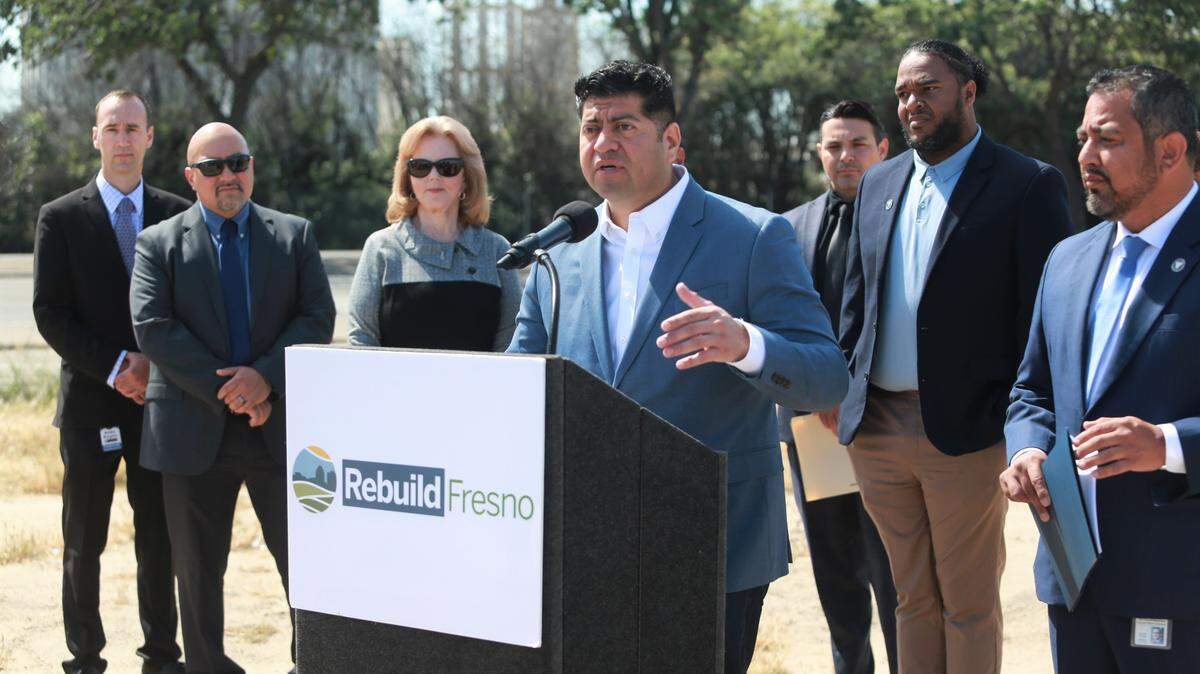
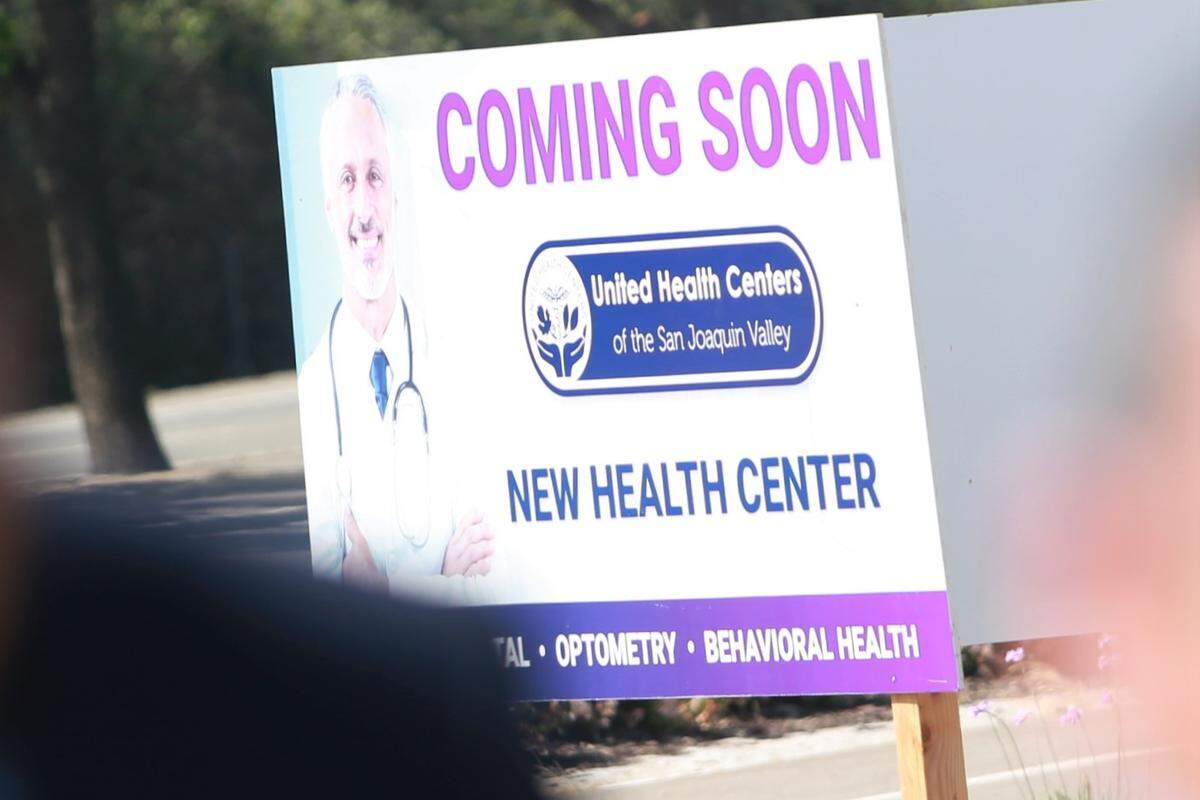
Underserved residents in southwest and southeast Fresno will soon have access to much-needed healthcare thanks to two new health centers coming to their neighborhoods.
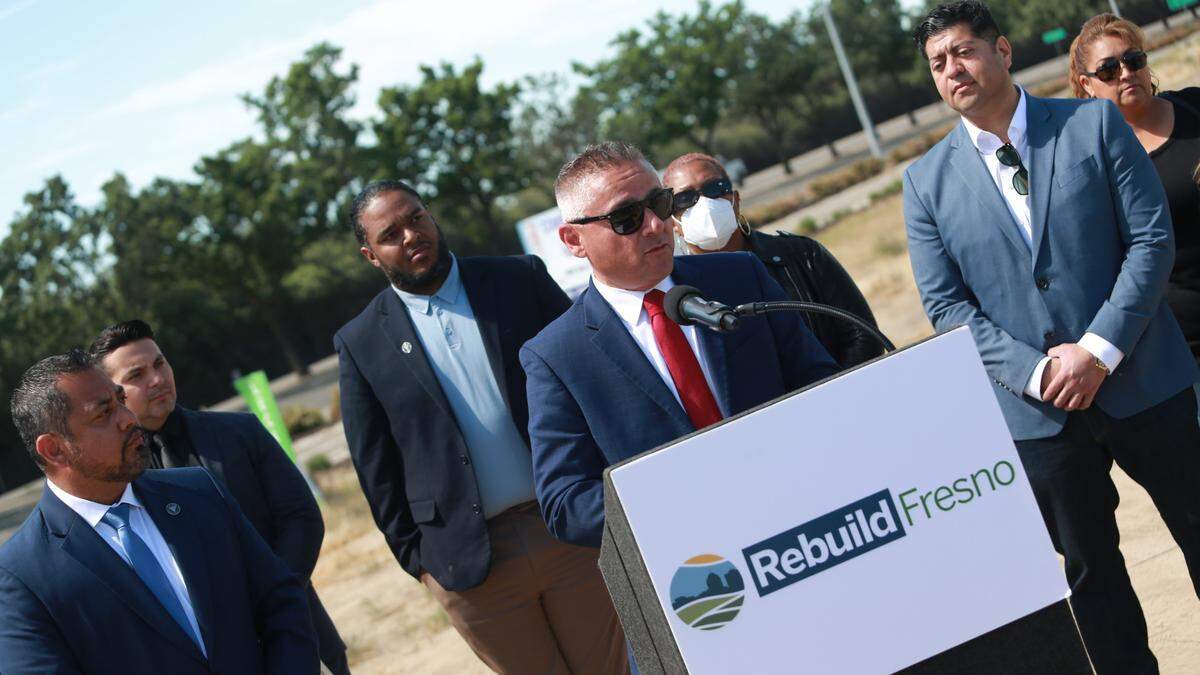
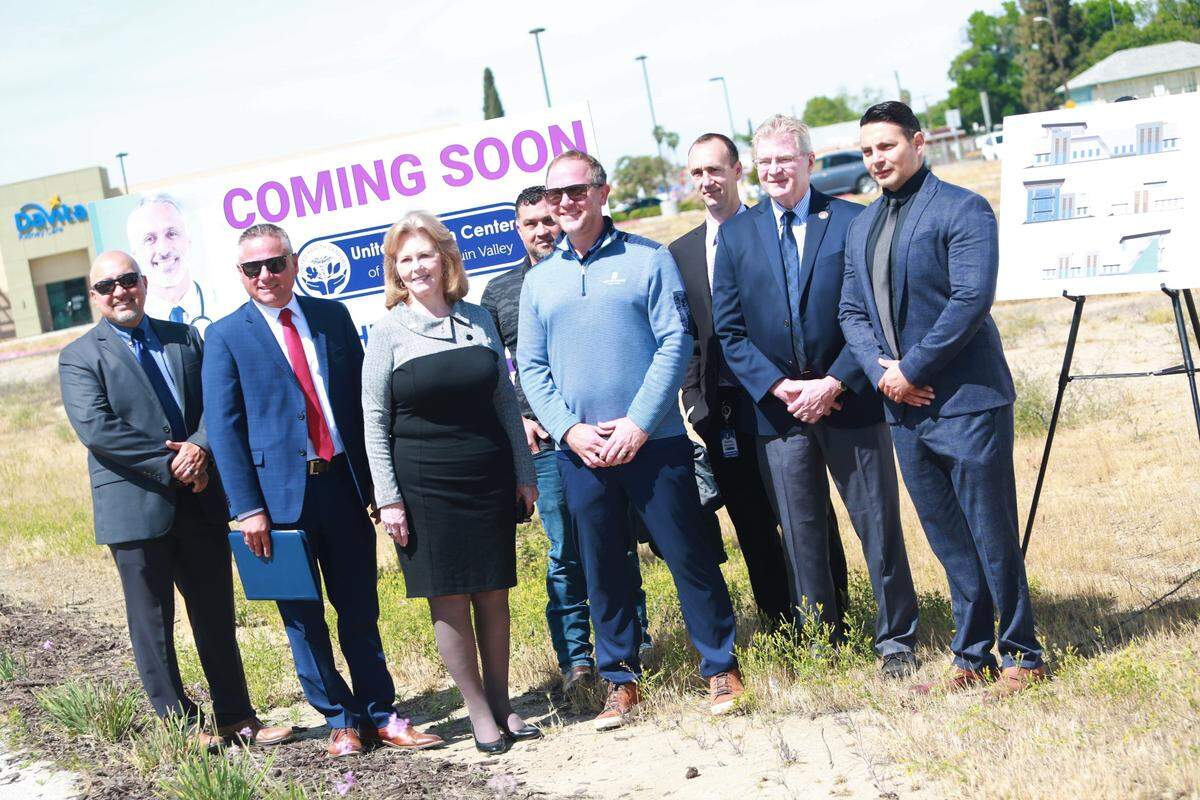
Fresno City Councilmembers Miguel Arias and Luis Chávez joined United Health Centers officials Thursday morning to announce their collaboration to expand access to medical, dental and optometry services with the construction of the facilities in areas that face health inequities, lack of access to healthcare services and other many barriers, such as transportation.
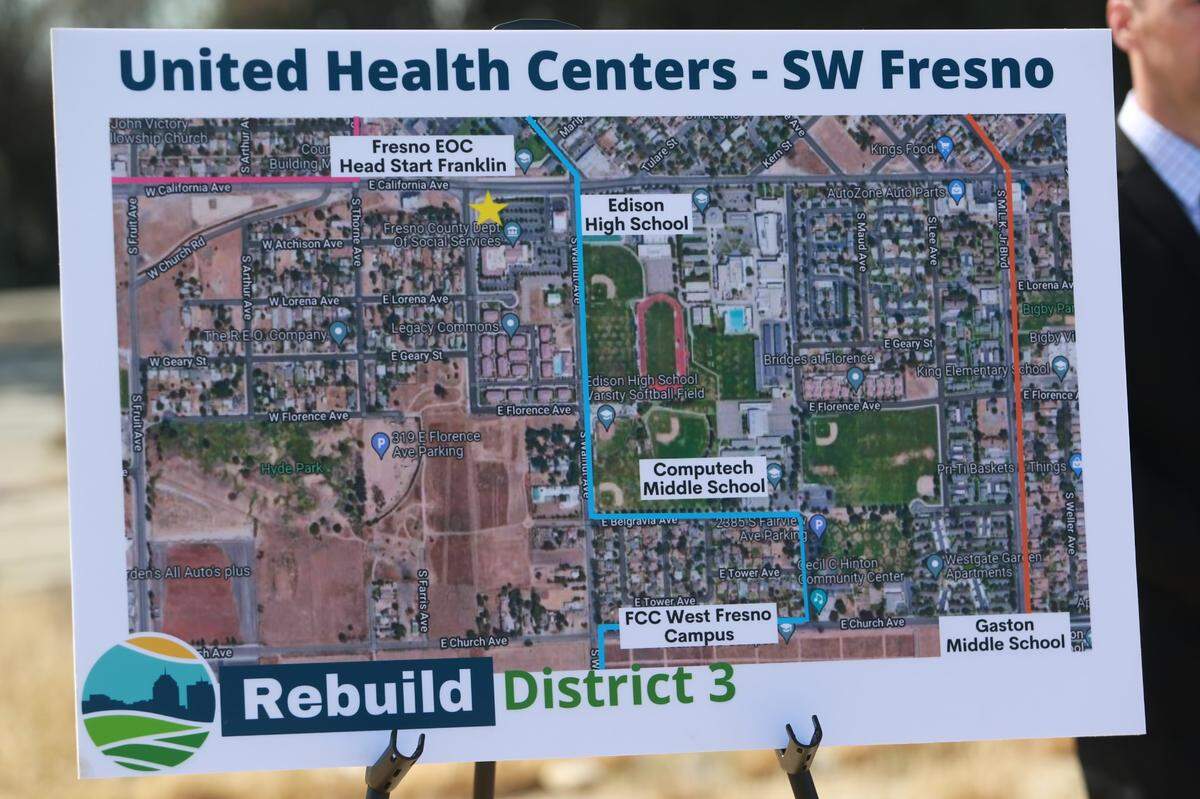
The new 12,000 square-foot Southwest United Health Center facility will be near Edison High School and Fresno EOC Head Start, while the 12,400-square-foot Southeast United Health Center facility will be across the street from Calwa Elementary.
“As you can see here, we have Calwa Elementary school that’s right here next to the site. We also have a dialysis clinic. I really envisioned this to be a medical hub for our community,” Chávez said during a press conference on the empty lot that will become the future home of the clinic in southeast Fresno.
Chávez said that one of the provisions that they are going to be working with United Health Centers is transportation.
“We know that a lot of our residents have a transportation barrier issue,” Chávez said, adding that they’re going to be working on providing transportation from their facilities, whether it’s the senior citizens complex right down the street to other senior citizen facilities or other residents in need in transportation.
“They’re going to be able to provide transportation, bring them here, get the medical services that they need, and then be able to transport them back to their residences.”
Even though the city of Fresno is not “necessarily responsible” for public health services, a responsibility that lies with the county, Chávez said that they wanted to “make sure that we invested the resources that we got in augmenting the medical and health services that we provide here in the city of Fresno by working with our partners.”
Approximately 44,000 people in zip codes 93702, 93725 and 93706 are income eligible but unserved by community health centers, according to Chávez.
Chávez said the poverty level in those census tracts is 44%.
“We have a lot of folks that have a high incidence of heart conditions, diabetes, asthma, breathing conditions. So, this is really going to be a godsend project for the residents that you see here across the street,” Chávez said.
Arias said the pandemic demonstrated the vulnerability of essential workers, especially those in South Fresno.
“In the zip code of 93706, the life expectancy is 20 years less in Southwest Fresno than it is in North Fresno demonstrated for us that we need to take an active role in improving the health care access to our neighborhoods,” Arias said, adding that back in 2019 the city council made its first investment with $1 million to address the mortality rates of young black babies as well as committed $2 million to help attract healthcare facilities into southwest Fresno for offsite improvements.
Chávez and Arias said the city council allocated $10 million back in 2020 during the middles of pandemic challenge from the Cares Act and invested in the two health care clinics in South Fresno – one in southeast and one is southwest – to deal with the long-term lack of access to good public health services in the area.
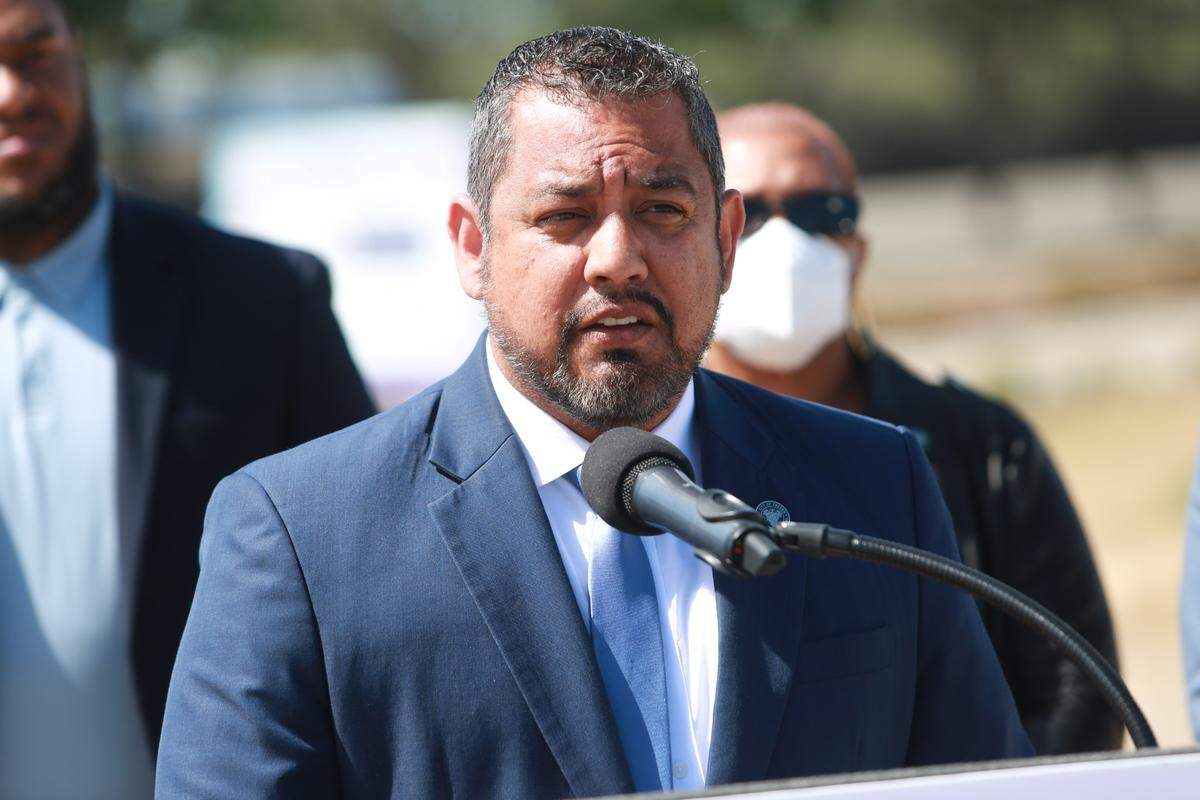
“That’s $13 million of city funds that we are directing and have directed to provide health care coverage to our residents,” Arias Said. “These clinics are being built in very thoughtful areas not only in the middle of residential neighborhoods that have the highest levels of pollution, the highest gap of healthcare need, but also are right across the street from schools, are near public transit systems.”
“We’re very intentional and putting these healthcare services where they’ve been needed for decades and been thoughtful that it’s around the most vulnerable workers that are essential,” Arias said.
While the construction of a typical facility may take five years, Arias said the council is committed to helping UHC through the process to expedite the construction of those facilities.
“We’re hopeful that we will be able to get these off the ground in two years,” Arias said.
Justin Preas, deputy CEO with the United Health Centers of the San Joaquín Valley, said both projects will be state-of-the-art and built from the ground up.
United Health Centers have been providing health care to underserved and diverse communities in the Central Valley for 51 years.
Currently, UHC has 25 health centers in Fresno, Tulare and Kings counties with five of them in the city of Fresno. Its sixth clinic will be opening on April 25 on Minnewawa Avenue and Kings Canyon Road.
United Health Centers serves close to 200,000 people throughout the Central Valley and employs about 1,000 people.
“As a federally qualified health center, there’s no one that comes through our doors that is not seen or turned away based on their ability to afford services,” Preas said. “UHC exists to provide exceptional care to everyone in our communities with respect and regardless of their ability to pay.”
Preas said some of the services that will be providing at these two locations are primary care medical services, urgent care services, COVID testing treatment and vaccinations, dental, optometry, behavioral health and psychiatry, podiatry, chiropractic care and ancillary services such as pharmacy, lab and X rays.
“It’s really a health care home for the people that live in the communities that we serve,” Preas said, adding that those projects are also an economic engine providing around 100 jobs from entry level staff all the way up to physicians and other providers.
“We do expect to have both health centers built by the end of next year,” Preas said.
Esta historia fue publicada originalmente el 14 de abril de 2022 a las 3:38 p. m..