Labor advocates: State agencies need to be more efficient
.JPG "Caravana móvil se asegura que mensajes de derechos laborales lleguen a los trabajadores agrícolas del Valle en cinco condados incluyendo este campo de trabajo en el area de Goshen en el Condado de Tulare el 25 de junio.")
Itzel de la Cruz wasn’t shy about sharing some of the experiences of being a farmworker in the Central Valley and the struggles that farmworkers face on the job.
“I am here to talk about the impact that we are having in the fields,” De la Cruz told California labor agency officials during a Tuesday meeting in Fresno.
De la Cruz said many farmworkers don’t feel safe going to work because of lack of facemasks, or need a place to take a COVID test, adding that she helps them by providing resources to help farmworkers stay safe.
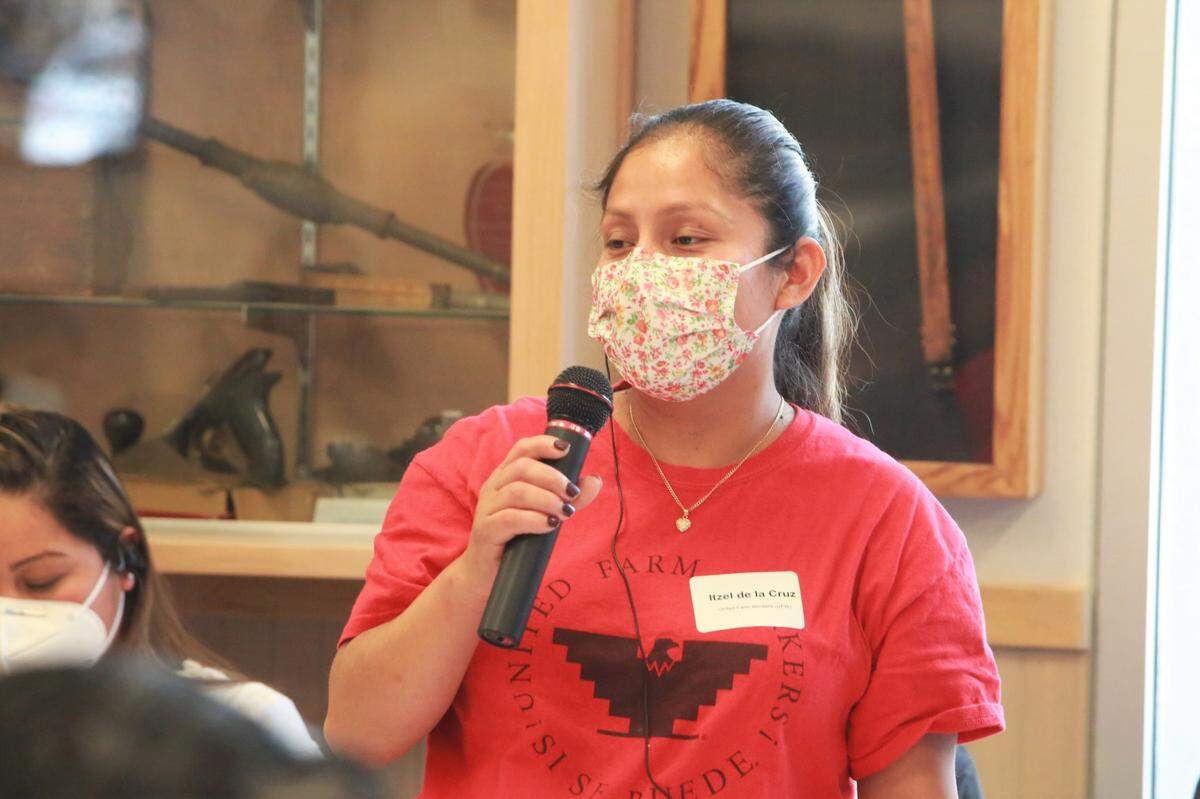
Tuesday’s meeting was part of the Worker Week of Action of the COVID-19 Workplace Outreach Project, which gathered state labor agency representatives with labor groups and organizations such as Valley Voices, United Farm Workers, California Rural Legal Assistance, Centro Binacional para el Desarrollo Indígena, West Modesto Collaborative, North Valley Labor Federation among others for a roundtable conversation on workers’ rights to be safe and healthy in the workplace including the 2022 supplemental paid sick leave, workplace health and safety, retaliation and worker leave and pay benefits.
Perfecto Muñoz, with the West Modesto Collaborative, was concerned about what is being done to improve the wage theft claims process to be more efficient so that it ensures workers are paid in a timely manner.
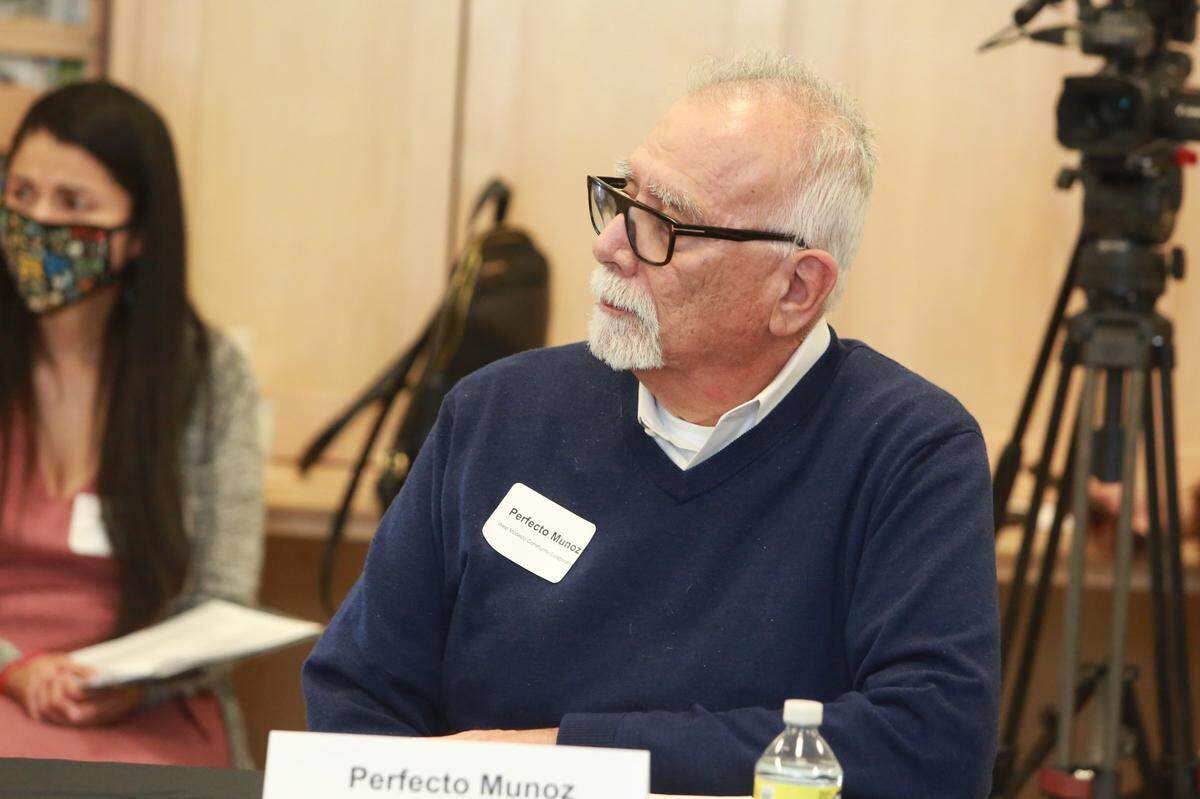
“We’re finding that many of the farmworkers in our area, the process has been very slow,” said Muñoz. “And I’m sure that because of the volume, and so I guess, what do we tell them when we are out there when they ask that question?”
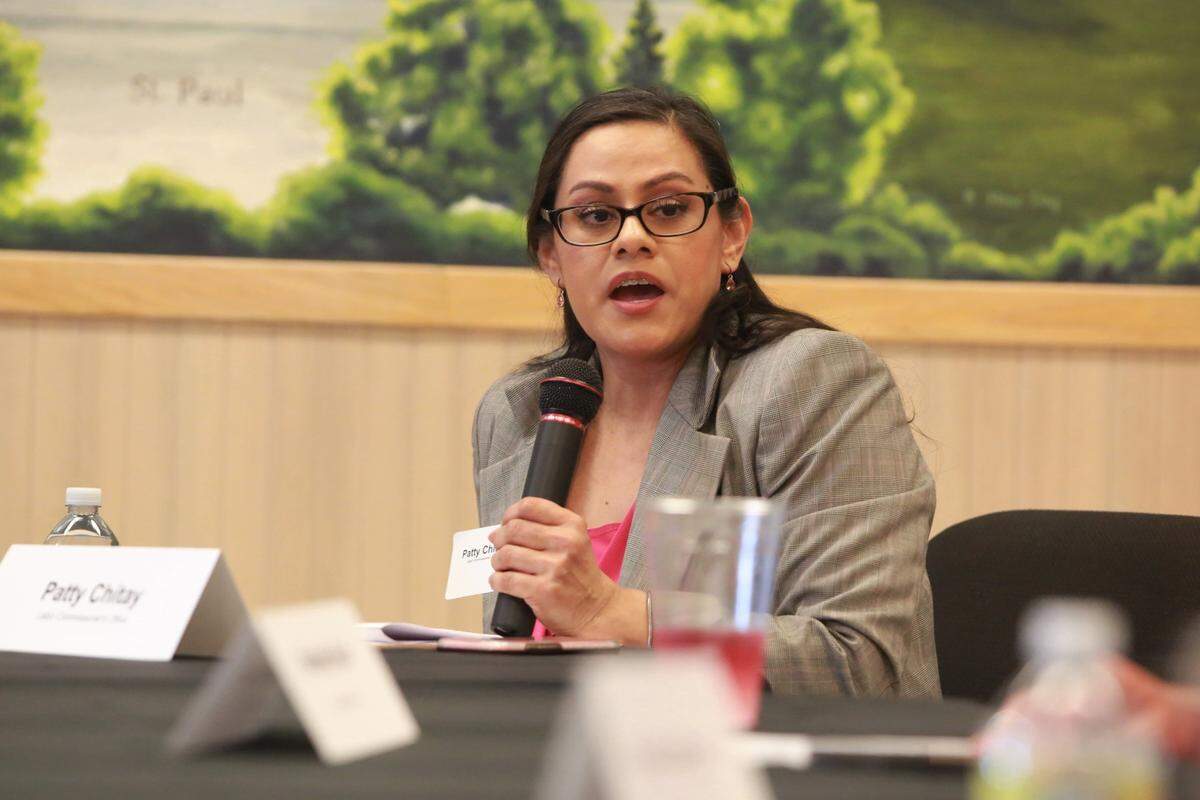
Patty Chitay, deputy labor commissioner with the state Labor Commissioner’s office, said in the sense of time frame she wishes the process was quicker and when COVID happen her office had to adjust to hold conference and hearing through zoom as well as hired individual for various vacancies including hearing officer positions.
“So, we’re still in the works of trying to expedite the process,” Chitay said.
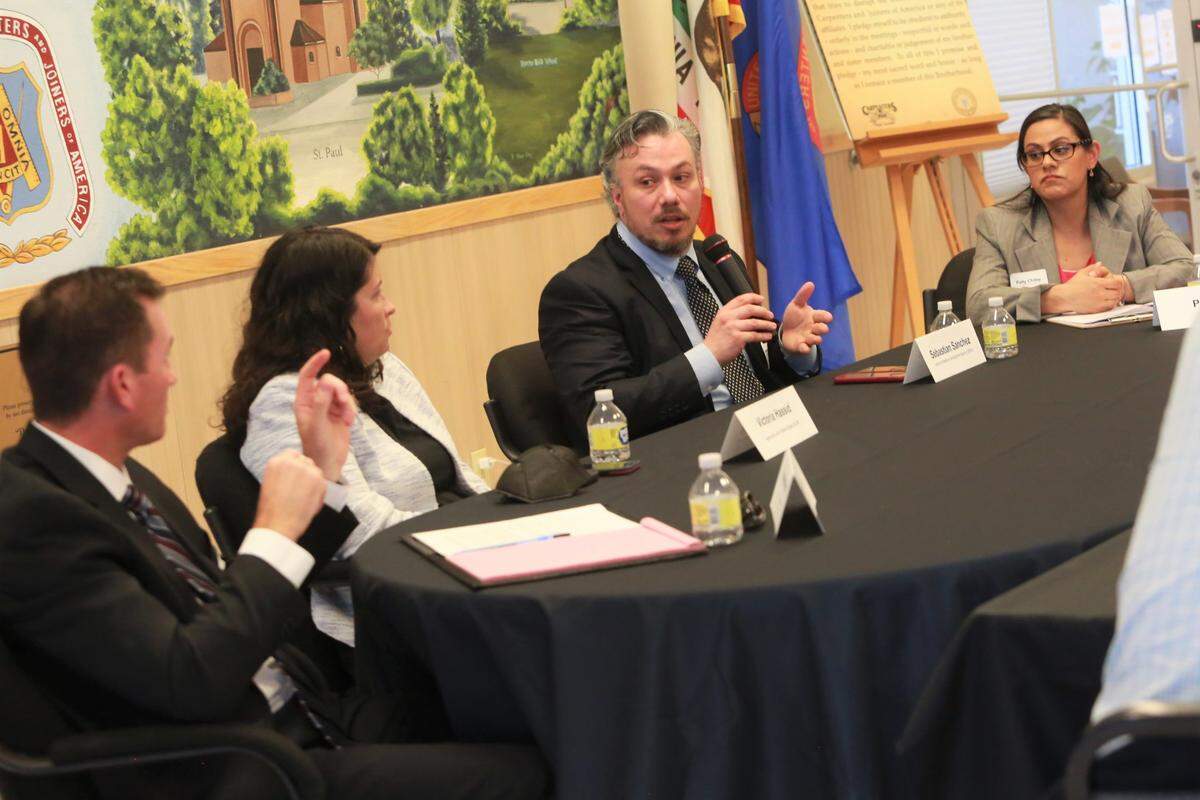
Sebastián Sánchez, associate secretary for farmworker liaison and immigrant services with the state Labor and Workforce Development Agency, said one way to expedite the process is by using “the online wage filing portal to make the filling of claims easier for certain groups and also more organized.”
Sánchez said with the online wage component, his agency is cutting down on the time to type the paper form into their system. That, he said, will expedite that information and improve the processing of cases.
Since hearings can take anywhere from six months to 12 months, Sánchez said the agency did a massive investment in training hearing officers and commissioners on mediation tactics so a lot of the cases can be resolved at the conference stage rather than at the hearing.
“We’re doing that that type of investment into our processes and our systems to make sure that we’re cutting down on the cases that are just kind of sitting there and waiting to be to be processed. But it’s an uphill climb that we’re addressing,” Sánchez said, adding that the Agricultural Labor Relations Board is creating a hotline where the staff can answer questions refer cases directly to the labor commissioner.
Tim Robertson, with North Valley Labor Federation, said all agencies should have a hotline workers can call or text and be received in a comfortable manner and be directed to the appropriate agency for their concerns at the workplace.
Sánchez said being able to refer cases more effectively and have access to each other’s information, the agencies “can identify bad actors more quickly and work in a more strategic and collective way to address wage claims to address cases and make sure that we’re moving those cases.”
Ruth López, with Valley Voices, said she was excited to hear about the changes taking place and the collaboration between agencies to move cases forward.
Just the day before the roundtable, López said she encountered a wife and her husband who works as a packing employee while her organization was doing COVID rapid testing and labor rights outreach in Hanford.
López had the couple talk to the ALRB representative who was present with them to get more information, but wondered if the couple was getting sent to the ALRB office and how was that claim going to go over there.
She said is also important for state labor agencies to have something in place on the weekends like meeting people to make access easier for those who can’t do weekdays or have access to websites.
“Because most of our people that we work with, they have one day off a week,” López said. “Technology is not a strongest suit for a lot of our, you know, community.”
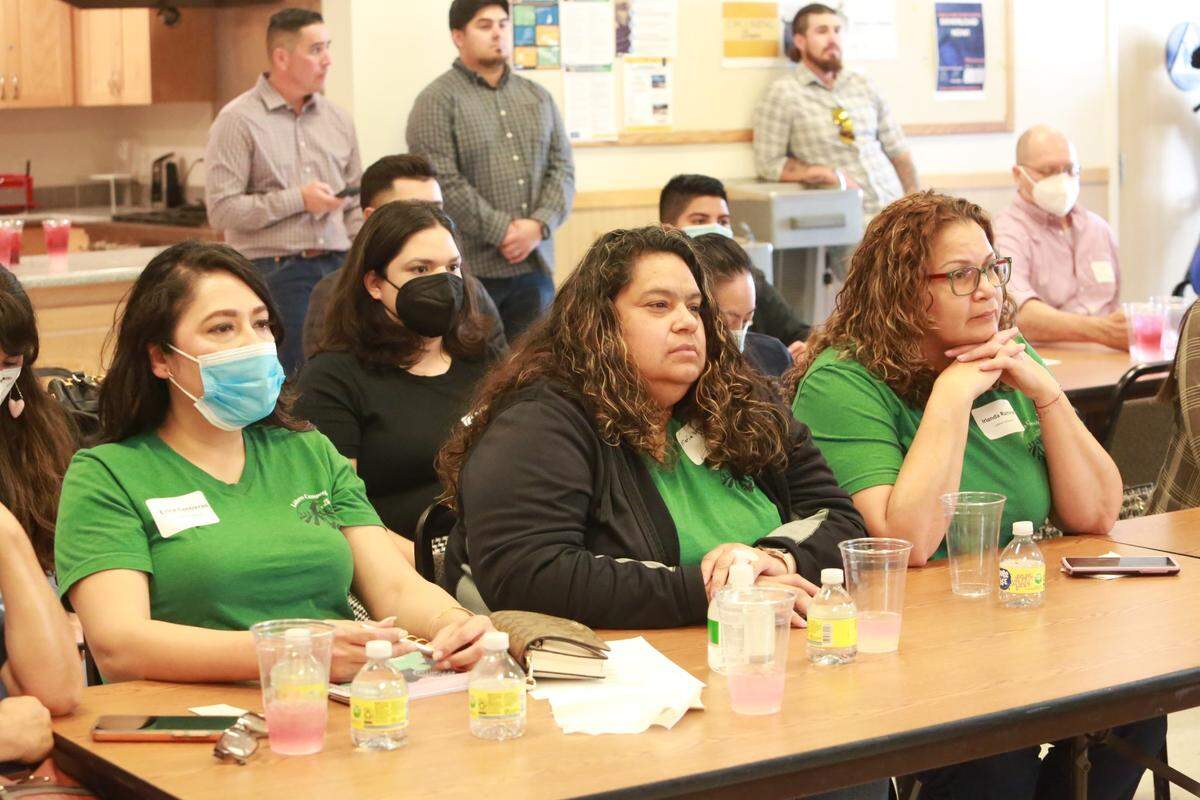
Victoria Hassid, chair of the Agriculture Labor Relations Board, said her office has partnered with local organization to do some pilots programs to go where the people are, trying different office hours, different locations like churches, as well as worker centers or other organization centers where worker go and have relationships as well as providing virtual training with different organizations such as CRLA.
“We’re a small staff, but we’re mighty. We are we’re looking to do more engagement out there in the community because I think you know; one we know workers don’t have a lot of time. And we do appreciate that when they are bringing such sensitive matters to us,” Hassid said. “They want to see a human face to speak to someone and build that relationship and build that trust and especially if it’s with organizations, that they may be more familiar with.”
Emiliano Ramírez of the California Rural Legal Assistance (CRLA) said many farmworkers his organization serves don’t speak English or Spanish, which are the most common language in California.
Ramírez said many also face not only language barriers but also technology and literacy barriers.
“What’s the best way for all of you to improve this?” asked Ramírez.
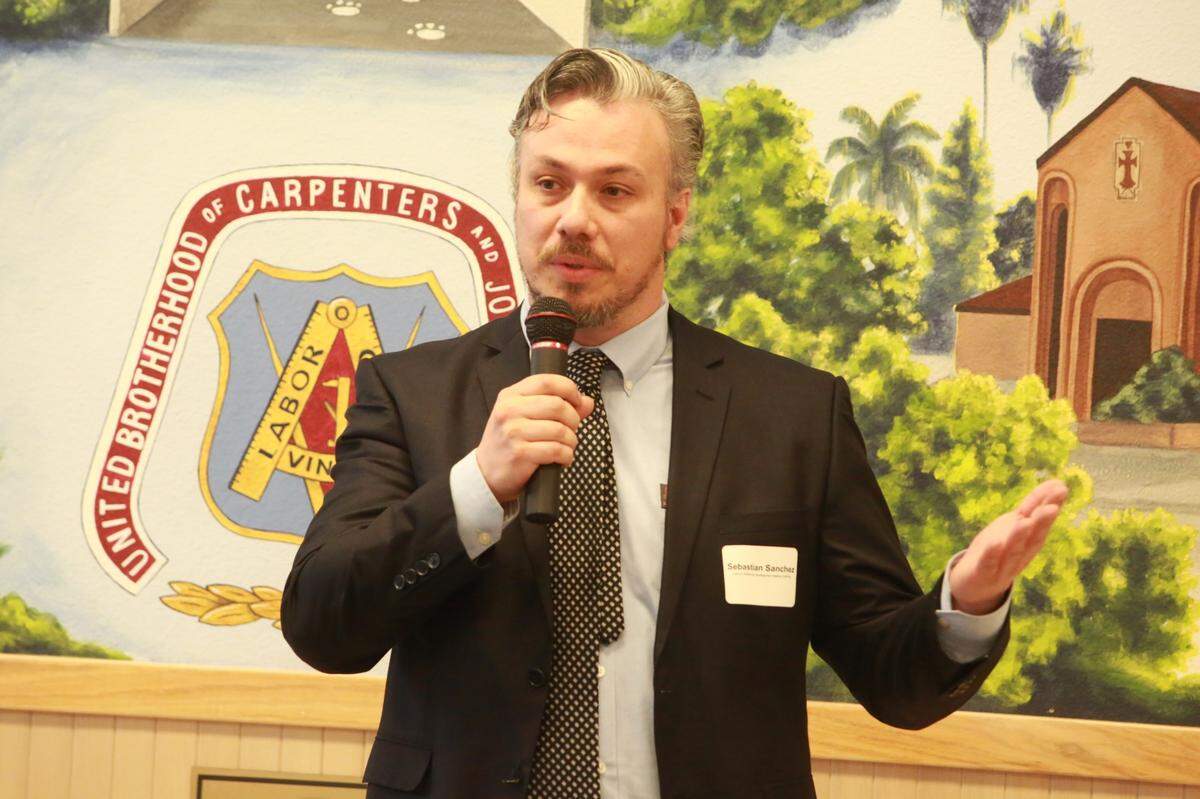
Sánchez said agencies at the state level are investing in doing that work of thinking of how they reach non-English and non-Spanish speakers in a language in a way that is effective.
“So, this is something that at the state level and a delivery agency level we’re investing heavily on,” Sánchez said.
For any questions on paid sick leave, retaliation protections, filing a wage claim, or retaliation complaint, workers can call 833-LCO-INFO, or 833-526-4636.
.jpg "Caravana_6-25-21_Maria Ortiz-Briones (26a).jpg")