
New Fresno State president has big plans for athletics. Bulldog Stadium tops list
Fresno State has captured momentum with its football program, on the field and at the ticket office. But it has been here before, with an opportunity to parlay its successes into bigger and better, to build or renovate or create avenues to a more sustainable success for athletics, only to fizzle and sometimes in a very public fashion.
University president Saúl Jiménez-Sandoval is intent on changing that.
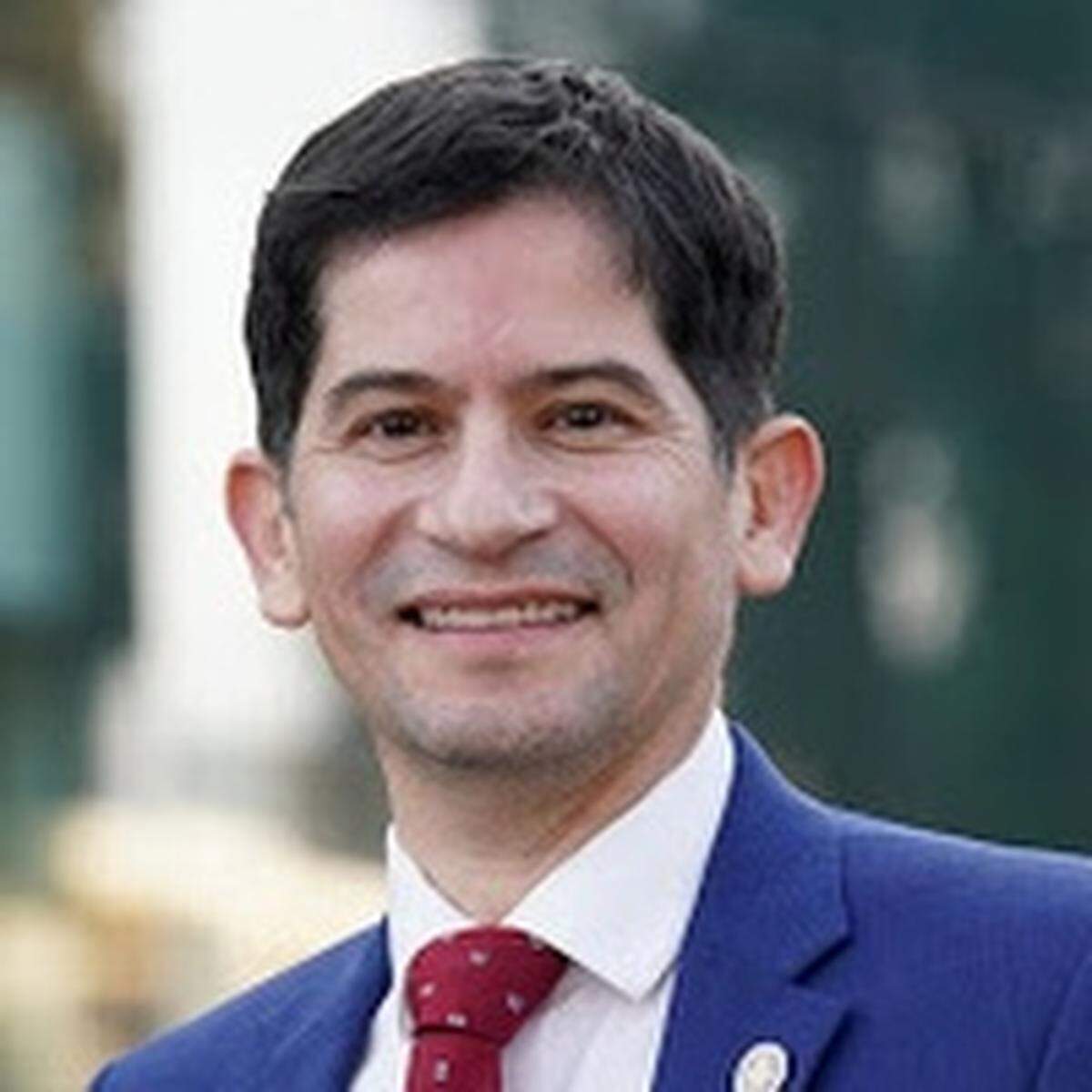
With or without that momentum, Jiménez-Sandoval said Bulldog Stadium and athletics facilities are overdue for deferred maintenance and upgrades. The roller coaster ride with the Bulldogs’ football program and other sports teams on campus only highlights that need.
“We have had really incredible success in the past,” said Jiménez-Sandoval, who was appointed president in May. “But within that I also started to see a pattern in which we strike it rich at one point and then the following seasons we’re not there. We’re not at that level. We can’t sustain a level of excellence throughout. We sustain a brand name, but the level of excellence has not been a constant throughout.
“In thinking about that I really want to come up with a proper approach that’s systematic and that’s educated about how we move together and forward in a sustained manner that provides athletics with the proper stability it needs to sustain its momentum, not just in football, but in the other sports, as well. We were a powerhouse in basketball. What do we do with that? What do we do with baseball? We were national champions in baseball. What do we do with our women’s sports? What do we do with the brand name that is Fresno State?”
Jiménez-Sandoval said he is in the process of putting together a commission to study the future of Bulldogs athletics, as the university has had in the past to study agriculture and water, and develop and implement a plan to move forward. By the end of the spring semester, he expects to have a plan in place.
Bulldog Stadium, the primary revenue driver for the athletics department, is at the top of any athletics to-do list, and there have already been discussions on campus on how to best address the aged facility, not only how best to tackle badly needed deferred maintenance but additional features to make it more fan-friendly.
Focus is on fixing an aged Bulldog Stadium
“Our executive leadership is very committed to addressing the deficiencies of Bulldog Stadium – I can say that emphatically,” athletics director Terry Tumey said.
“Our leadership is very much aware and it is at the forefront of what our leadership wants to do and so what we need to do is present a plan that is appropriate in addressing that.”
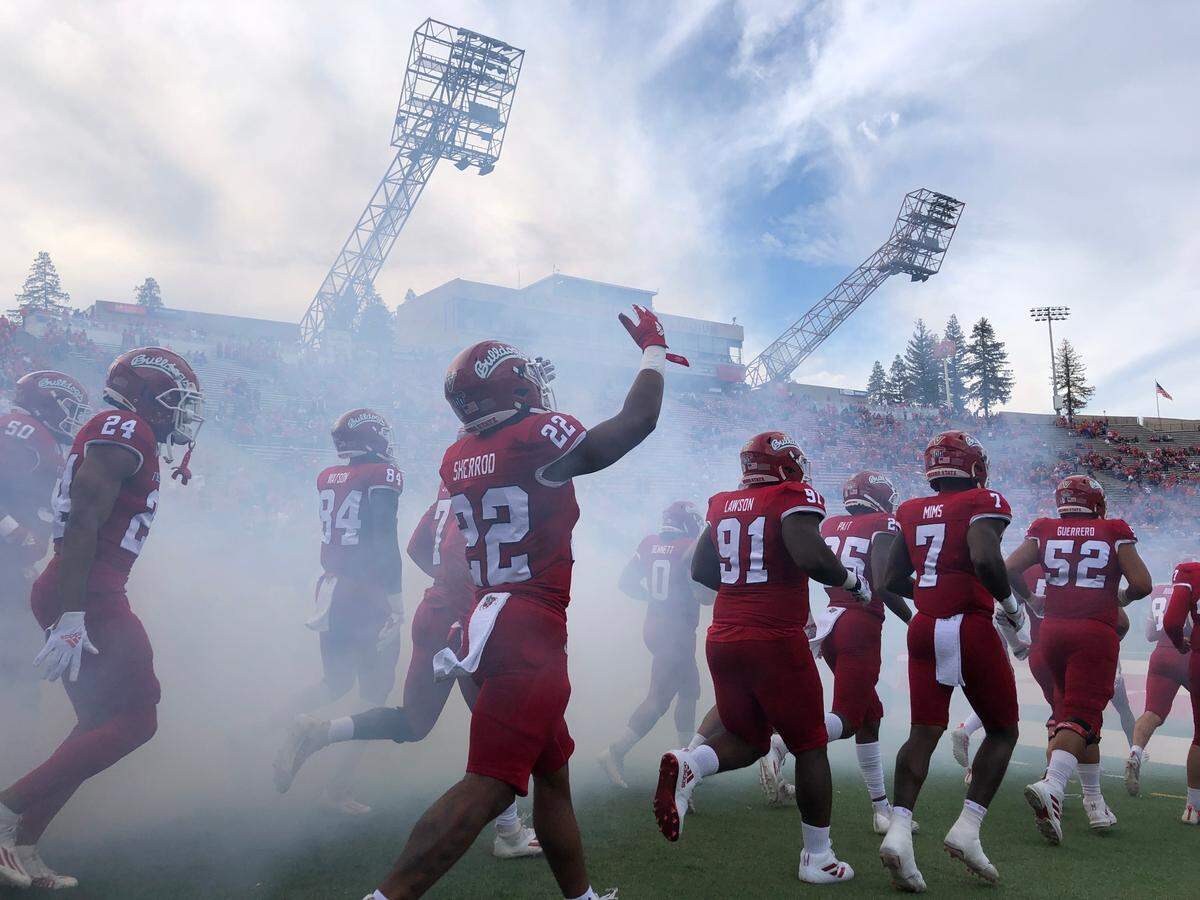
Bulldog Stadium was built in 1979 and ‘80 and has barely been touched since 1991 and ‘92 when seating capacity was expanded and sky suites were added to its east side.
A high-definition video board was added to the north end of the stadium in 2015, paid for by multimedia rights partner Learfield, replacing a scoreboard that had been installed in 2006.
A grass playing surface was replaced with artificial turf in 2011, and then replaced in 2019 as it neared the end of its life span. A new lighting system was installed in the stadium’s unique cantilevered light standards when the turf was replaced.
But that has been about it.
The most recent renovation plan, pushed by former athletics director Jim Bartko, included a new press box and suites tower on the west side of the stadium as well as the addition of tunnels into the seating bowl and cross aisles to improve access around the stadium.
The price tag was estimated at $60 million, but that project never got far off the ground. Fundraising for the project was lacking, and was ended by former university president Joseph I. Castro.
It just didn’t pencil out, Castro said at the time.
The Bulldogs’ Mountain West Conference and Group of Five peers, meanwhile, continue to move forward.
“Every other Mountain West school that I know of, and that includes the two sister CSU campuses we have, have significantly invested in their facilities,” Jiménez-Sandoval said, referring to San Diego State and San Jose State. “So what do we do about that? What do we do about the facilities we have with our women’s sports? What do we do with our facilities that have this great need to come to the 21st century and they’re still just not there?
Jiménez-Sandoval: ‘How do we move to the next level?’
“That’s one part. The other part would be the student scholarship piece, in order to have robust and attractive athletics that reflect the power of academics at Fresno State, because they both come together, and also reflects the community that supports us. Whenever the Bulldogs are on the field, whether it’s a soccer field or whatever else, they are directly reflective of who we are as a community and as a society here in the Valley.
“We really need to stop and think about where we are, do a clear, in-depth analysis of our resources and all of our aspirations and our importance to the region and then move with a plan from this point on.”
Fresno State, Jiménez-Sandoval said, can also never stop. San Jose State is well into construction on the Spartans Athletics Center, which will be home to its football and men’s and women’s soccer programs and includes amenities for all of its sports programs. It built a golf practice facility in 2017, beach volleyball courts in 2020 and is working on a baseball practice facility project.
San Diego State is building a football stadium. Boise State on Tuesday released its “What’s Next” initiative, focusing on athletics infrastructure, revenue generation and student-athlete experience.
“The biggest lesson that I’m learning from all of this, we can’t ever put the call on cruise control,” Jiménez-Sandoval said. “We can’t ever say, ‘OK, we’ve made it.’ In the future, we’ve made the improvements to our facilities, we addressed our two big issues, and then now we’ve made it? This is it?
“It goes to the spirit of entrepreneurship. A good business person is going to say, ‘I have a product. The product is top-notch. Now I’m going to come up with the next iteration of my product. Or, now I’m going to diversify.’ The same thing happens with athletics. The same thing happens with the university, as well. We can’t say, ‘We’ve addressed the deferred maintenance. That’s it. We’re set.’
“It’s, ‘How do we move to the next level? How do we keep innovating? How do we keep that momentum going?’ We have to be dynamic continuously about who we are, about how we reinvent and how we conceptualize the power of Fresno State.”
This story was originally published November 18, 2021 at 3:05 PM.