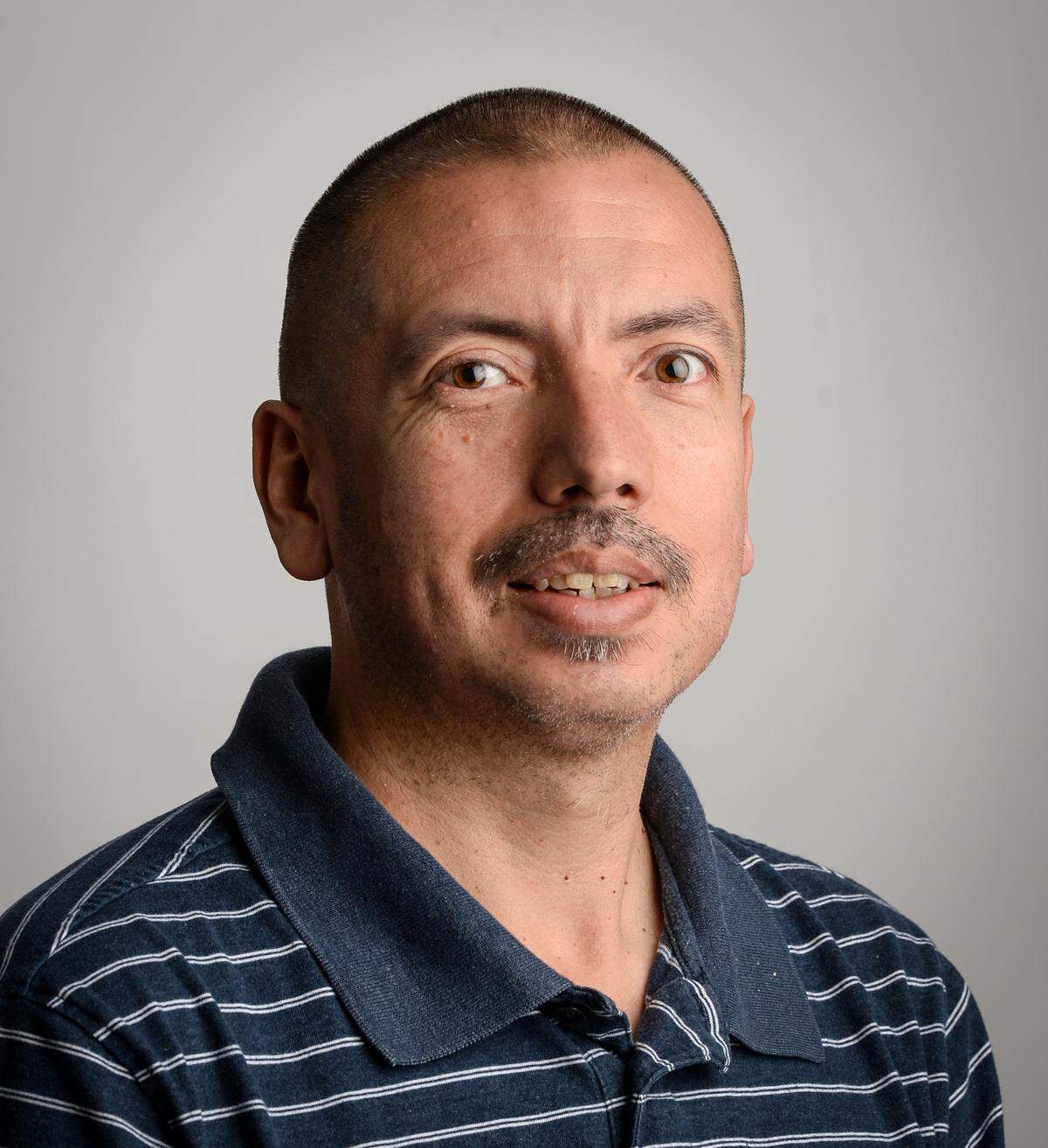
He’s a Fresno high school star now at Oklahoma. But thought of police remains ‘scary’
Caleb Kelly enjoyed what many would consider a charmed childhood in Fresno, attending one of the city’s top high schools and developing into a nationally recruited football star.
But there always was an unease, he says. Despite his talent, popularity and fame, he often worried about one thing: What would he do if he were stopped by a police officer?
Kelly was a young black man growing up in the central San Joaquin Valley, USA.
“Every time I go outside, every time I go work out, I’ve thought about what do I do if a cop’s called on me,” Kelly, now an Oklahoma Sooners linebacker, said this past weekend as he took part in a Fresno rally in the wake of the death of a black man, George Floyd, following his arrest by Minneapolis police.
Just as his African American peers across the country have recounted, Kelly knew the drill growing up. He feared his actions, anything he said or did, could be misinterpreted during an encounter with law enforcement.
“Do I lay on the ground right away, do I speak right away, do I just try to follow any rules that he has?” Kelly says of his preplanned thought process. “What if he doesn’t want to hear, what if I’m not following them at the right time or if I do it too quick or if I do it too slow?
“People need to understand that this is close to home, this isn’t, ‘Oh, they’re doing that in the East Coast, New York City, oh, that’s Texas, that’s Georgia, that’s the South.’ No, that’s right here in Fresno, people getting put down on their face because they’re being accused of (being) somebody else. ... It’s not right, and it’s not safe, and it’s scary, especially as a black man.”
So it’s with no small measure of self-interest, then, that Kelly has followed the protests gripping the nation in the wake of Floyd’s death. He wants to believe that this time, the attention focused on a black man’s death during an altercation with police will lead to change.
That north-west divide
Kelly’s late teen years were spent in what would be considered one of the “good” areas of town. At Clovis West, he was enrolled in arguably the central San Joaquin Valley’s top school district. But he only had to drive across town to see the local divide.
“I went to school at Clovis West on the north side of town, and then played 7-on-7 with DB Guru on the west side of town. I can tell you, north side/west side that in itself is that segregation, that is that racism.”
He knows his history, dating to the “segregation and redlining and just the foundation that Fresno’s built upon.”
“There is a lot of racism in it. So me growing up in it, I’ve kind of seen both sides. ... It’s just bigger than just one moment, it’s where we live.”
Encouraging signs
Loyalty to his hometown remains, so Kelly took great interest in the May 31 rally that drew some 3,500 people to Fresno City Hall.
It was entirely peaceful, strikingly different from protests in big cities such as New York, Atlanta and Los Angeles that saw rioting and looting.
Fresno Police Chief Andy Hall was among those duly impressed by the demonstration, saying he was dismissing any thought of following those other cities’ examples and putting a curfew “on a community that just successfully had one of the largest peaceful demonstrations in this country.”
Kelly was not a part of that earlier demonstration, but wishes he could have been, at least he thinks so.
As he prepares for his senior season with the Sooners, coming off a knee injury that forced him into a redshirt year last season, he hopes all of those protesters, black, white, Hispanic, male, female, trying to exercise social distancing amid the specter of the coronavirus pandemic, were expressing genuine support for the cause of racial justice.
“I didn’t hear about that one, so I was like I’ll make sure I come to this one,” Kelly said during the rally he attended at Fresno’s River Park shopping area.
“It’s important, and it’s powerful, for sure,” he says of the huge turnout the week before. “Everything I heard was oh, it felt real, oh, you felt the atmosphere was real. I hope it was genuine, though.
“You can hide out and do the right thing. You can be somebody who’s anonymously sending tips that are false accusations ... calling the police to try to frame people. So I hope that is genuine.”
It should be as simple, Kelly noted, as “black people matter and it’s not right to murder them. No matter what your job description is, no matter who you are, it’s not right to murder anyone.”
His final message?
“God tells us that we are supposed to love Him first and to love each other. That’s Matthew 22:37-39. Being there to support and to love in the only ways we can right now is the most important to me.”