
Let’s use Fresno student walkouts as a teaching moment for democracy | Opinion
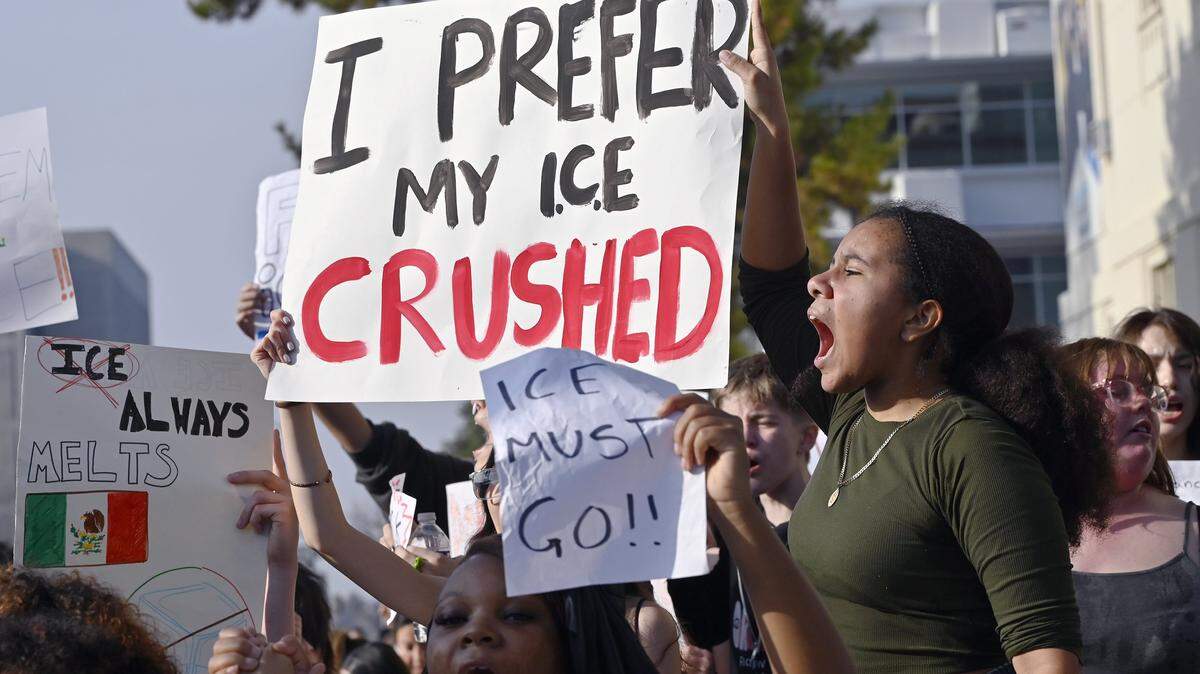
The recent student walkouts across Fresno County in protest of federal law enforcement’s killing of citizens in Minneapolis highlight an essential point: young people are actively engaged and aware. They are politically aware, deeply concerned about their families and willing to speak out publicly about issues that affect their lives.
That level of engagement should be recognized as a strength — not treated as a disruption. But if we are truly committed to preserving our democracy, protest alone is not enough. Effective civic engagement should be accompanied by education, informed guidance and sustained involvement, with a particular emphasis on voting.
Historically, Fresno County has experienced low voter participation, particularly among communities of color. Latino residents make up a significant portion of the population, yet their influence at the ballot box does not reflect that reality. It’s not because people do not care — it is the result of generations of exclusion, limited access to civic education and political systems that too often feel distant or unresponsive.
When participation remains low, decisions continue to be made without meaningful input from the communities most affected.
This is why moments like the recent student walkouts matter so much. They represent an opening (what educators often call a “teaching moment”). Our schools — especially our high schools — are among the most effective places to interrupt cycles of disengagement.
When students gather, protest and speak out, they show interest in engaging with and shaping their environment. It is our responsibility as adults to meet that moment with intention and leadership.
As a former high school and college civics teacher, I have seen firsthand how eager students are for guidance in understanding democracy. Young people want to know how systems work, why their communities face persistent challenges and how they can make a difference. Civic education is not partisan. Teaching students how elections function, why local races matter and how policies are shaped is fundamental to preparing them for adulthood and citizenship.
Many students in Fresno County come from mixed-status families. In these households, some family members are eligible to vote, while others are not. This reality makes civic education even more urgent.
For students and families who can vote, participation often carries the weight of an entire household — parents, grandparents, siblings and neighbors whose voices are limited or excluded. Voting becomes not just a personal right, but a collective responsibility rooted in care for family and community.
If students are old enough to organize walkouts, speak to the media and advocate publicly, they are old enough to learn how ballots, school boards, city councils and county supervisors shape real outcomes. These decisions affect class sizes, transportation funding, housing availability, job opportunities and the resources schools receive.
Democracy does not sustain itself. It survives only when people understand it and participate in it.
School districts should treat this moment as a call to action. That means strengthening civic education, supporting voter registration efforts for eligible students and partnering with trusted community organizations. It also means creating space in classrooms for thoughtful discussion, critical thinking and respectful dialogue. When students feel seen and supported, they are more likely to stay engaged beyond a single protest.
Community leaders must also assume responsibility. Expressing concern about low voter turnout is pointless unless we invest in civic empowerment. Encouraging participation, modeling engagement and reinforcing the importance of voting are responsibilities of leadership.
I am proud of our students for using their voices peacefully and courageously. Standing up for dignity, unity and the well-being of families reflects authentic leadership, compassion and civic responsibility. When young people speak from the heart and look out for one another, they remind us that the strength of our community is built on empathy, respect and a shared hope for a better future — for everyone.
Espi Sandoval is an educator and community advocate in Kerman.