
I watched my parents harvest crops. Farmworkers deserve a living wage | Opinion
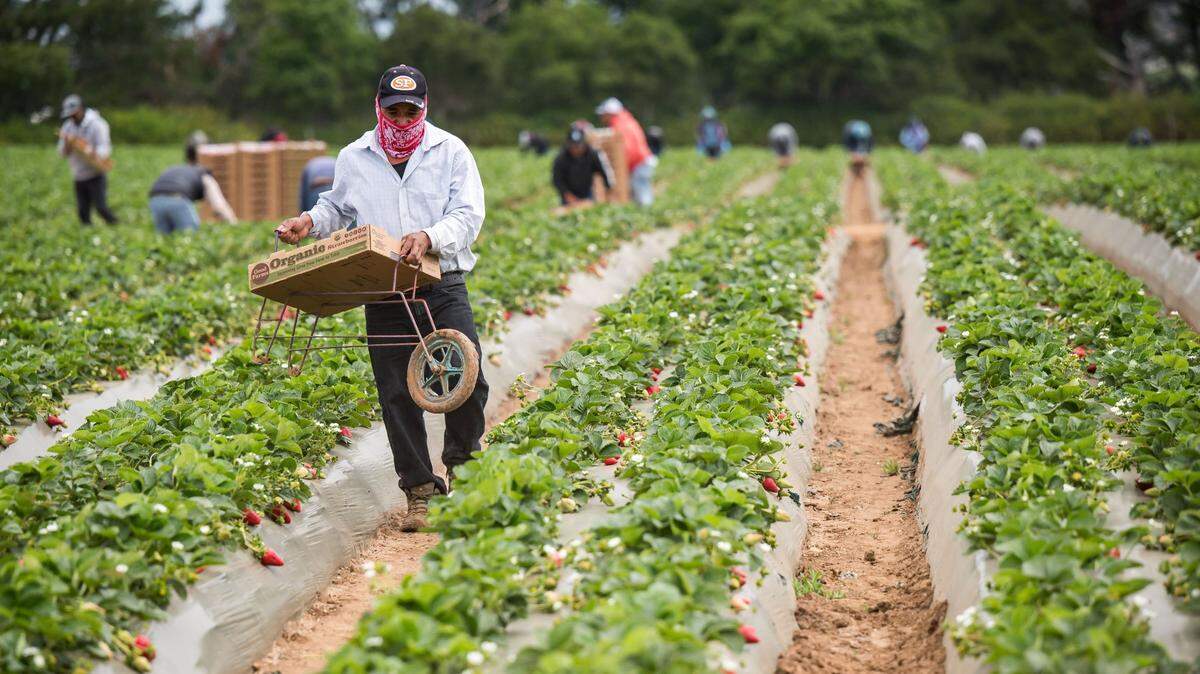
When I was 3 years old, my parents were picking Thompson grapes in the long rows of the Central Valley while I lay asleep on top of a brown raisin tray. Back then, my parents couldn’t afford daycare, so we joined them in the fields. But children weren’t allowed to be present while crews worked, and growers could be fined for having minors in the fields. Often, we hid under the vineyards to avoid being spotted by supervisors, farm labor contractors or safety inspectors — anyone who could have put my parents’ job at risk.
The end of the day didn’t mean rest: We returned to a crowded, two-bedroom mobile home with mold seeping through the ceilings, with no heating or cooling.
Harvesting crops with my parents has been an essential part of my life. I spent years pruning and picking grapes across the Valley, yet my parents always encouraged me to attend college to pursue better opportunities.
My story isn’t unusual — it’s common among farmworker families who migrate with the crops each season.
Poverty wages force farmworkers into unsafe, overcrowded housing, often sharing small, dilapidated mobile homes with multiple families. Many homes lack ventilation, proper heating or even basic sanitation. Farmworkers, among the lowest paid laborers in the agricultural industry, remain vulnerable to exploitation and poor living conditions. During the COVID pandemic, overcrowded housing and poor ventilation contributed to high infection rates among California farmworkers and their families.
Despite being the backbone of our food system, farmworkers continue to face immense challenges, including lack of health care, food insecurity and poor housing. According to the USC Center for Health Journalism, many farmworker families rely on food banks to feed their families. The average California farmworker earns an average salary of under $20,000 a year, yet even a modestly-sized family in California requires more than that amount to cover basic living costs.
In recent years, the Central Coast Alliance United for a Sustainable Economy and the Mixteco/Indigena Community Organizing Project formed Alianza Campesina de la Costa Central, which is campaigning for a fair and living wage for farmworkers, urging Santa Barbara County to raise the agricultural minimum wage to $26 per hour to ensure farmworkers can support their families with dignity.
Providing a statewide living wage for farmworkers would change lives. It would give families financial stability, enabling them to afford safe housing, nutritious food and health care. It would recognize the essential work that farmworkers do within the agricultural industry and ensure their labor is valued fairly. And it would strengthen local economies, reducing reliance on emergency aid programs like Special Supplemental Nutrition Program for Women, Infants and Children and Supplemental Nutrition Assistance Program benefits.
California has long led the nation on progressive policies, but it cannot claim to be a leader while those who harvest our food remain among the lowest paid workers in the state. It is time to raise farmworker wages to a true living standard, honoring both their labor and their humanity.
Fresno resident Yelisa Ambriz is the daughter of immigrant farmworkers and a masters of public health student at UC Berkeley. She advocates for farmworker rights with the Central California Environmental Justice Network and at the California Farmworker Coalition.