
How UC Davis can solve rural California’s veterinary shortage issue | Opinion
The seasonal return of avian flu in California serves as a stark reminder of a challenge facing the state’s agricultural community: a critical shortage of rural veterinarians, the first line of defense against disease outbreaks. Their presence is crucial to mitigate these threats and protect a vital part of our economy.
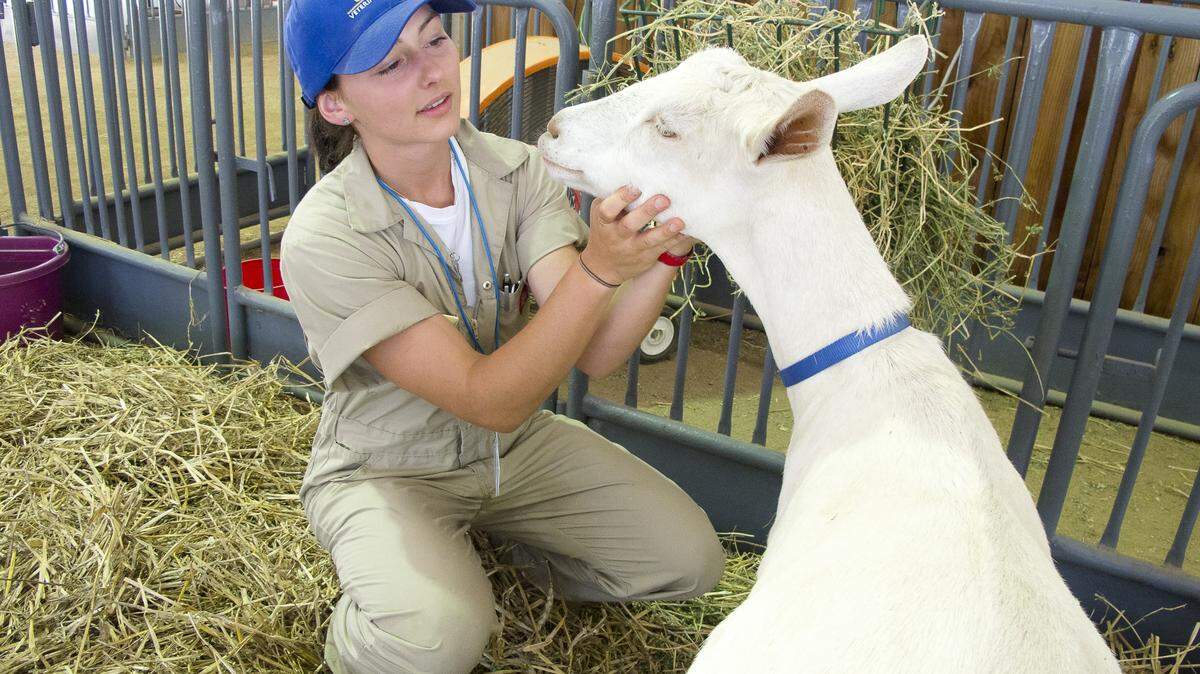
Giana Hollingsworth, a member of the UC Davis School of Veterinary Medicine Class of 2029, is a first-generation student who grew up in Visalia — the heart of California’s dairy country. She witnessed firsthand how animal health impacts the local economy and food supply. After graduation, she plans to return home to practice. As she says: “Milk runs deep in our blood” in the Central Valley.
Hollingsworth’s dream to serve her community is a necessary model for California’s future. We need more veterinarians trained at the nation’s top veterinary school to support our state’s agricultural industry.
California faces a critical shortage of food animal veterinarians. And this isn’t just a local issue, it’s a national crisis. Since World War II, the U.S. has lost 90% of its large animal veterinarians. Today, only 3.4% of veterinarians serve the food animal industry.
This shortage is most acute in our state’s dairy industry — especially in the Central Valley, a critical linchpin of the state’s economy. California dairy farms — 99% of which are family-owned — contribute $57 billion in total economic impact, creating 180,000 jobs across the state.
Without adequate veterinary care, however, dairy farmers lose access to preventive medicine, and dairy productivity suffers, threatening our food system and state economy.
With tools like our new Disease BioPortal, UC Davis proactively tracks emerging health concerns and identifies disease trends early, with the goal of preventing outbreaks like the avian flu detected in Central Valley flocks last year. Still, tools like these are only effective when veterinarians are present to provide accurate information.
With fewer veterinarians, we also face significant gaps in our public health surveillance, escalating the risk to communities. It threatens our “boots-on-the-ground” surveillance for zoonotic diseases like avian flu that can jump between animals and even spread from animals to humans.
The UC Davis School of Veterinary Medicine is California’s only institution equipped to meet this workforce crisis. It actively recruits rural and first-generation veterinary students, allowing them to return to their communities to practice.
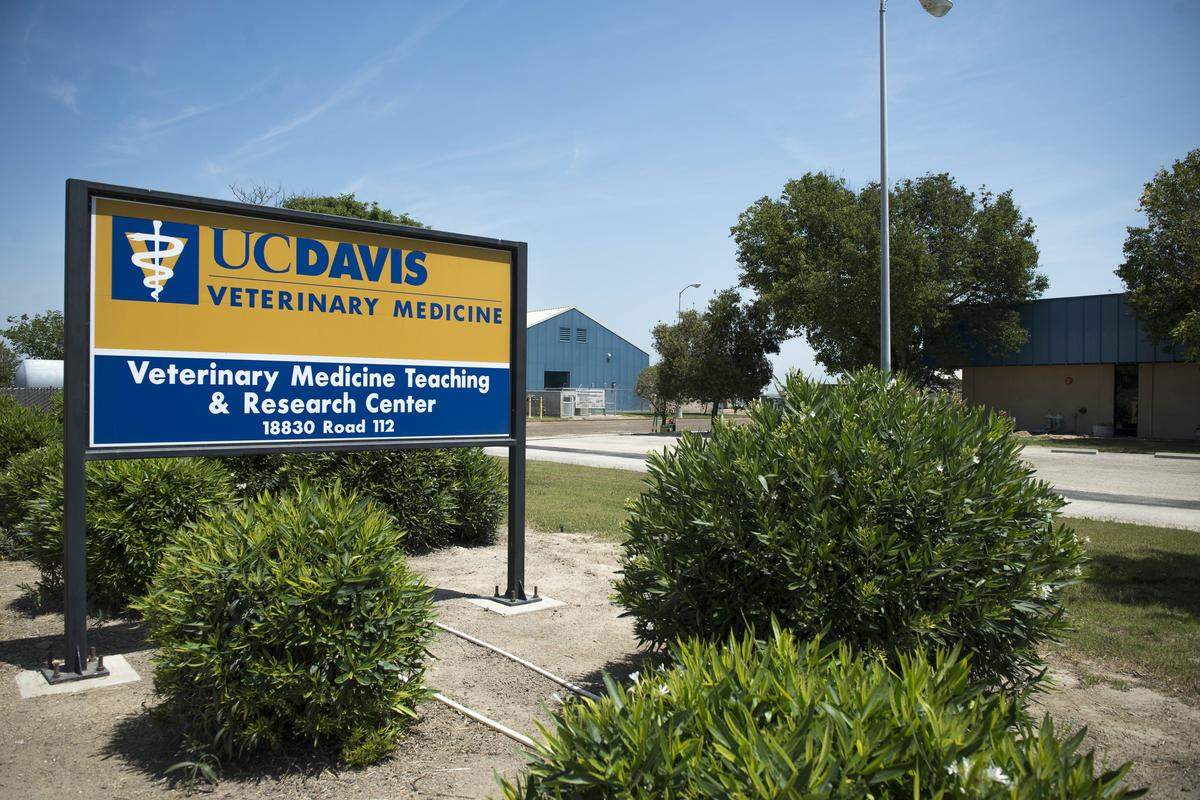
We train these students where the need is greatest. The Veterinary Medicine Teaching & Research Center in Tulare County embeds students in the heart of the Central Valley dairy industry, providing real-world training directly related to the needs of the agricultural sector. The clinicians and residents in the Dairy Production Medicine program provide veterinary care to approximately 60,000 dairy cows, heifers and calves.
This is the moment to invest in the future of veterinary medicine. If we fail to act, capacity will remain a structural bottleneck, and the shortage of veterinarians will worsen in the Central Valley. Our food system will become less stable, our economy more volatile and our population more vulnerable to the next pandemic.
The Veterinary Medical Complex Capital Project at UC Davis is a critical part of the solution. This project will increase our pipeline of veterinarians by 33%, helping to train a new generation to fill the rural workforce gap and directly enhancing our ability to treat animals and strengthen public health surveillance.
This vision is not hypothetical. The Capital Project is emerging with $110.5 million raised from philanthropic gifts, but private investment must now be met with public commitment. We ask state leaders and the public to champion the funding needed to complete this effort.
A thriving California demands a thriving agricultural industry. Investing in the School of Veterinary Medicine’s expansion is crucial to securing our food supply, protecting California’s vital agricultural economy, and supporting the future doctors building resilient public health defenses benefiting all Californians.
Gary S. May is UC Davis’ seventh chancellor and oversees all aspects of the university’s teaching, research and public service mission.