
When CA oil refineries shut down, consumers suffer through higher prices | Opinion
AI-generated summary reviewed by our newsroom.
- Two refinery closures could cut 20% of California's fuel capacity by 2026.
- California now imports over 75% of oil, raising exposure to global supply shocks.
- Oil industry supports 530,000 jobs and delivers $48B in annual state-local revenue.
Thanks to policies signed by Gov. Gavin Newsom, California families are paying too much for gas — and the situation is about to get worse if we don’t change course.
Two of our state’s nine remaining refineries are shutting down, removing nearly 20% of our gasoline production capacity. That could drive prices up rapidly within the next year. For families already stretched thin by high housing, grocery and utility costs, that’s unacceptable.
Our in-state crude oil production has dropped by more than half since 2000, and the decline is speeding up.
We now import more than 75% of our oil, much of it from foreign countries with weaker environmental standards and unstable governments. This dependence leaves California exposed to global conflicts and supply disruptions that send prices soaring.
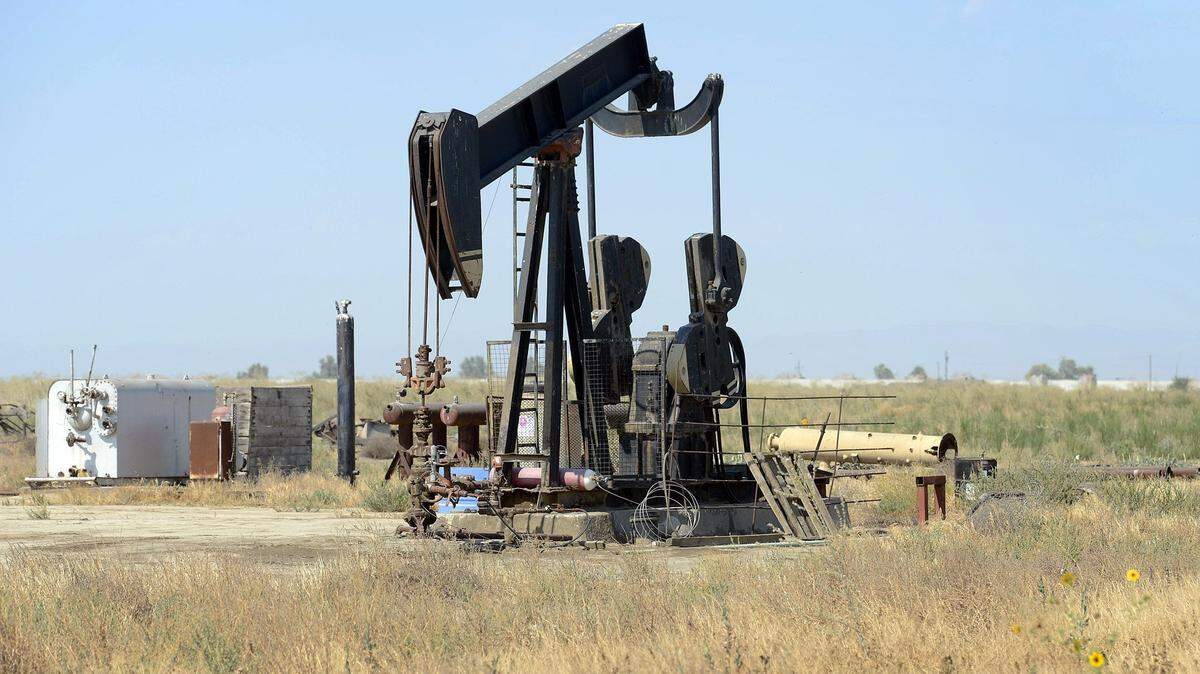
If domestic production continues to fall, the pipelines carrying oil from Kern County to our refineries could fall below minimum flow levels and shut down. Once a pipeline closes, it is virtually impossible to reopen under California’s current permitting system.
That would force refineries to rely even more on oil shipped by tankers, but port capacity is already limited and state mandates on ship emissions add even more cost. If refineries cannot secure enough crude, they have to cut production or close altogether.
This is not just about energy companies, it’s about every Californian.
When gas prices spike, working families cut back on essentials. Businesses face higher transportation costs that get passed on to consumers. Jobs in refining, transportation and manufacturing disappear, and entire communities suffer.
The oil and gas industry supports over 530,000 jobs in California and contributes $166 billion to our economy — nearly 5% of our state’s gross domestic product. The industry also provides $48 billion in state and local tax revenue funding schools, public safety and infrastructure. Shutting down this economic engine doesn’t just hurt energy supply — it undermines the services Californians depend on.
Voters see the issue. A recent statewide poll found that 86% of Californians view high gas prices as a problem, with more than half calling it a major problem.
We can protect the environment and keep energy affordable by producing more of our own oil. That means streamlining permits for new wells in existing oil fields, especially in Kern County, which has some of the most established and well-regulated production in the world.
It also means rethinking regulations that could shut down refineries, from a proposed cap on profits to permitting delays that stall maintenance and upgrades. These policies can make operating in California so difficult that companies shut down.
This is not about rolling back protections for the environment. California’s standards are already among the strongest in the world. Producing more energy here reduces the need to ship oil thousands of miles from places with weaker safeguards. That’s better for our economy, our workers and the environment.
Boosting in-state production also strengthens our energy security. Conflicts abroad should not dictate what Californians pay at the pump. By producing more at home, we can shield families from price shocks and keep good jobs in our communities.
If we allow more of our energy infrastructure to close, prices will rise, jobs will vanish and we’ll depend even more on foreign oil.
It’s time to put Californians first. That starts with keeping our refineries open, maintaining critical pipelines and producing more of our own energy under the safest and cleanest standards in the world.
Assemblymember Alexandra Macedo represents the 33rd Assembly District, which encompasses Tulare, Kings and Fresno counties.
.JPG "SAC_4725_PK_20241202_ASSEMBLY (1).JPG")