
Westlands CEO: Land subsidence is a statewide threat that must be addressed | Opinion
AI-generated summary reviewed by our newsroom.
- Land subsidence in the San Joaquin Valley threatens water access and food supply.
- Westlands Water District leads groundwater recharge with over 470 active projects.
- Proposition 4 funding could expand mitigation and prevent costly infrastructure loss.
The vital cornerstone of California’s water system and fresh, safe food, the San Joaquin Valley, is at the center of a crisis: land subsidence.
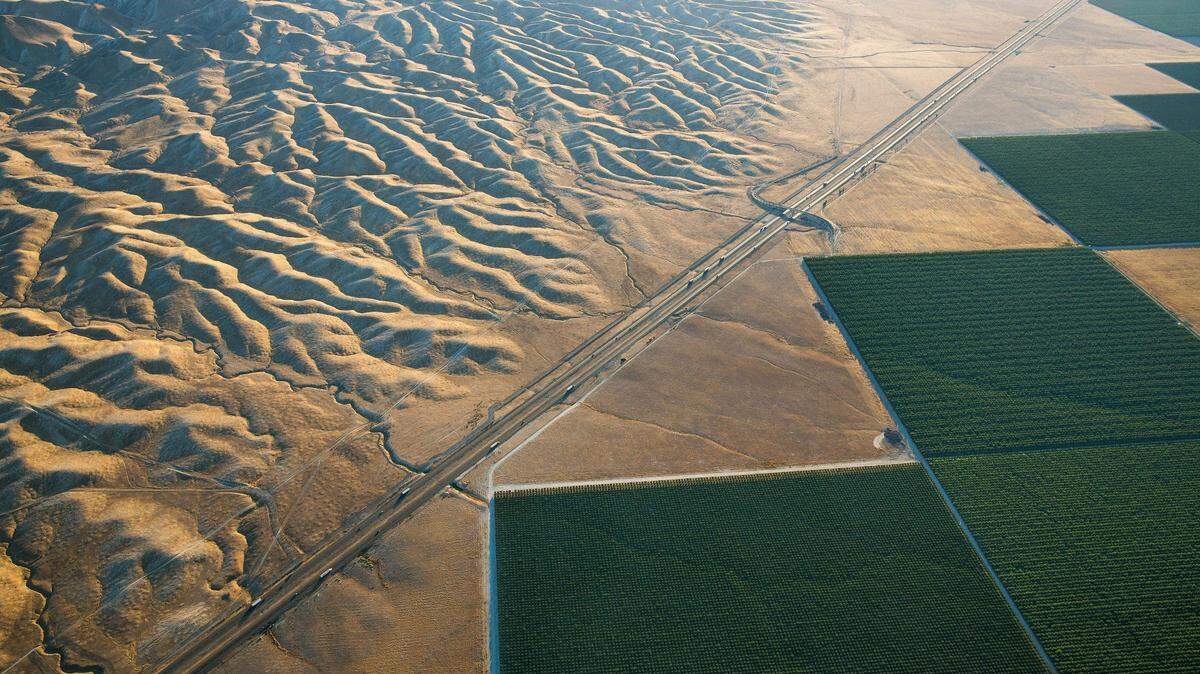
The consequences are severe: sinking land, cracked infrastructure and severely reduced capacity in the California Aqueduct, which delivers drinking water to millions of homes while sustaining farms and communities statewide.
As general manager of Westlands Water District — the nation’s largest agricultural water district, serving hundreds of family farms across western Fresno and Kings counties — I’ve witnessed how this imperils our region, state and nation. Rural communities throughout the Valley, including many disadvantaged communities, depend on a robust agricultural economy to support local jobs, essential services and economic stability.
This isn’t just a Valley problem, however. The San Joaquin Valley feeds America. Subsidence threatens this resource, as well as drinking water for 23 million people (one in seven Americans). California produces over 50% of the fruits, nuts and vegetables for the nation. Farmers in Westlands alone cultivate a large proportion of that.
If we can’t move water, the impact will be felt in homes, grocery stores, dinner tables and supply chains nationwide.
The San Luis Canal, the section of the California Aqueduct that flows through Westlands, carries water over 100 miles to cities and farms statewide. Without immediate action, repairs could exceed $2.5 billion, and delivery capacity could plummet 87% by 2045. But Westlands is taking action.
It’s critical to recognize that much of the subsidence damage we’re addressing today stems from decades of pumping that occurred long before any authority existed to limit groundwater use. The underground flow of water adds another layer of complexity, as pumping in one area can cause land to sink miles away.
The good news is that subsidence can be slowed — even reversed in some cases — and Westlands is proving it. Since becoming a Groundwater Sustainability Agency, we’ve led the way in groundwater management.
We were the first Valley agency to have a state-approved plan in 2021, and we have recharged more than 470,000 acre-feet of groundwater since 2023, restoring groundwater levels by 200 feet in some areas.
Deep injection wells have lifted land by half a foot. In one priority location, subsidence has stopped completely. Westlands is on track to reach sustainability ten years ahead of California’s 2040 deadline.
These results demonstrate what is possible when we have the tools to act. With more than 470 approved recharge projects, including 92 injection wells, groundwater levels have risen an average of 90 feet across the basin. We’re also strategically reducing aquifer pressure by transitioning farmland near subsidence hotspots to uses like solar and expanding programs that provide surface water so that farmers can turn off their pumps.
Every pump and every well are metered, and every drop of water is accounted for. We’ve set minimum thresholds for subsidence, but have not come close to reaching them — in fact, every single metric shows dramatic improvement.
These essential management practices come at a cost, however. Our farmers are making extraordinary sacrifices that put them at competitive risk. They have made painful decisions to plant less, fallow productive fields and invest in recharge infrastructure to protect our shared water future. While farmers in other regions continue with business as usual, Westlands growers are voluntarily reducing production and profits to solve a problem that benefits everyone.
We’re ready to scale these proven solutions. Westlands is seeking state assistance through Proposition 4 to accelerate shovel-ready projects that will decisively mitigate subsidence: adding injection wells in deeply impacted areas, reducing pumping, expanding recharge and repurposing 50,000 at-risk acres.
These science-driven solutions will deliver immediate benefits, prevent catastrophic repair costs, sustain America’s food supply and secure long-term rural water access.
Some argue that the Valley should shoulder these costs alone. That view ignores how we got here: In the 1990s, state and federal policies deliberately cut surface water deliveries to the Valley, openly encouraging groundwater pumping as a replacement. Local agencies had no authority to limit pumping.
Today’s damage is the predictable outcome of policies made for broader public benefit, and repair costs should be shared accordingly.
California faces a choice: wait until the damage is catastrophic and costs are astronomical, or invest now in proven solutions that are already working.
We remain committed to restoring groundwater and protecting delivery systems, but we cannot finish this critical job alone. Now it’s time for the state — and the nation — to step up.
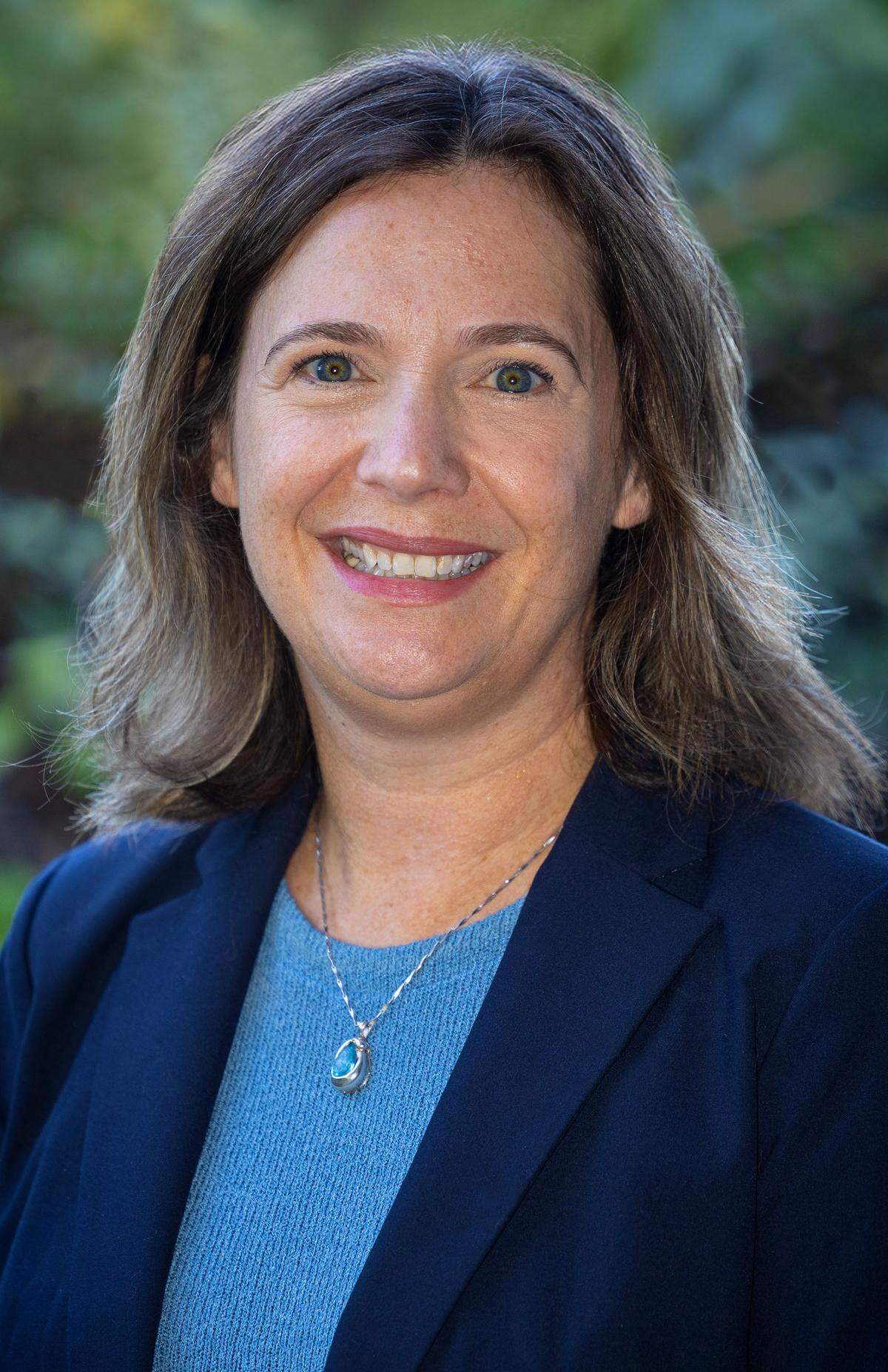
Allison Febbo is the general manager of the Westlands Water District and has 25 years of experience in natural resources, hydrology, and water operations.
This story was originally published September 2, 2025 at 1:00 PM.