
UFW’s table grape strike begun in 1965 is part of American history | Opinion
AI-generated summary reviewed by our newsroom.
- California's ethnic studies curriculum includes the Delano Grape Strike of 1965.
- Students analyze original documents to contextualize farmworker activism and struggle.
- Delano campaign instruction fosters literacy, civic engagement, and historical inquiry.
The current political landscape promotes the erasure of episodes in American history that speak to diversity, equity and inclusion. Often, it targets incredible deeds and accomplishments of ethnic and racial minority individuals and groups.
Gross injustices perpetrated against minorities are being whitewashed. The disturbing result is a narrative that perpetuates the myth of an America without broken promises. Fortunately, the California requirement of high school ethnic studies classes for graduation counters the narrative of sanitizing U.S. history.
One important topic of instruction that would advance the curricular content and academic skills of high school students is the celebration of the 60th anniversary of the Delano Grape Strike and Boycott that began on Sept. 8, 1965.
Beyond learning about the extraordinary accomplishments of the strike and boycott, students can learn important academic and research skills: The value of collecting and investigating primary documents promotes the interpretation of original text and evaluation of its historical significance, both in the context of its time and its current implications.
Instruction about the Delano Grape Strike and Boycott appropriately falls under California’s state model curriculum for ethnic studies which proposes that by affirming the identities and contributions of marginalized groups in our society, ethnic studies help students see themselves and each other as part of a broader narrative of the United States.
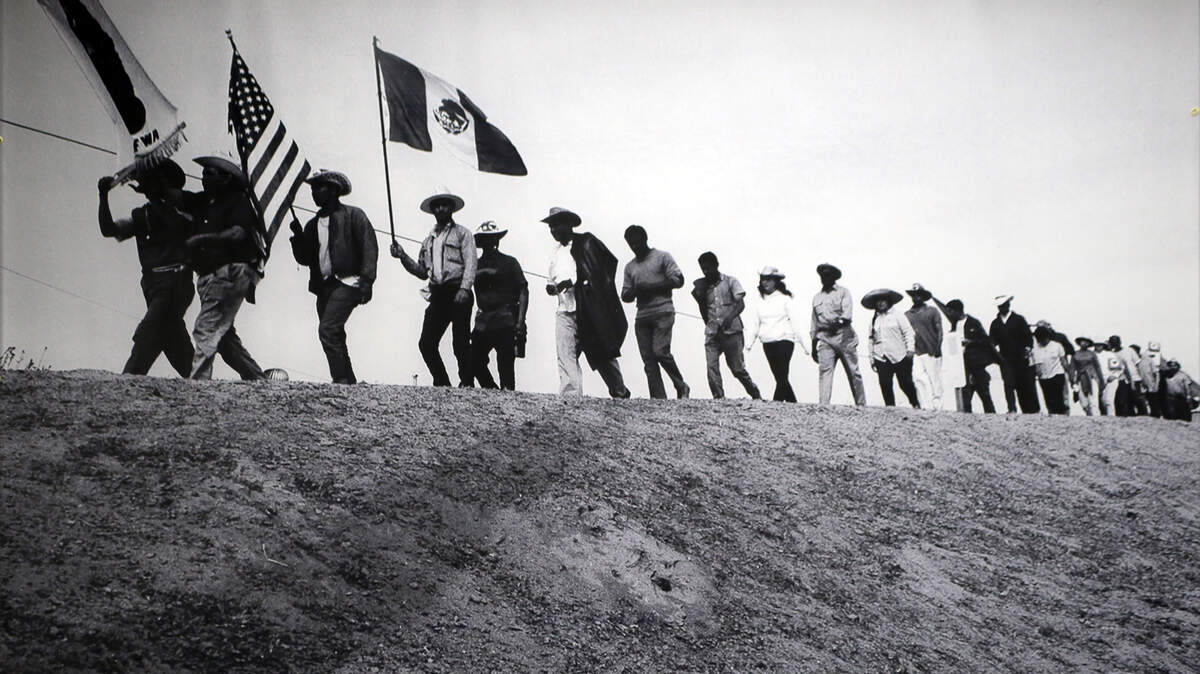
When Filipino farm workers from the Agricultural Workers Organizing Committee decided to strike for better wages 60 years ago, it ignited a movement that challenged the disparate relations of power between agriculture growers and farmworkers. A week later, on Sept. 16, 1965, César Chávez’ National Farm Workers Association (later the United Farm Workers) joined their Filipino brothers in the strike and on picket lines.
Teachers should focus on how a disenfranchised group of campesinos (farm workers) dared to valiantly struggle for the American promise and examine the dangerous working conditions, exposure to pesticides, dismal wages and dilapidated housing suffered by farm laborers.
The grape strike and boycott emboldened the workers to battle large agribusinesses, corporate industries, big growers, the Texas Rangers and the Teamsters. The courageous efforts were conducted under disciplined nonviolence.
Students will gain advanced skills through the examination of primary reference materials. They will also be exposed to a variety of primary and secondary sources, and learn how to process multiple and often competing sources of information. Original documents of the Delano campaign give a first-person account indicating the campesinos were acutely aware of how their dire circumstances were a direct function of entrenched neglect and systemic disparities.
As described in the minutes of the first National Farm Works Association meeting, the group’s iconic flag depicts an Aztec Thunderbird eagle with deliberate colors to signify the farmworker circumstances. The black represented by the eagle signifies the dark situation and despair in which the agricultural workers find themselves.
The white circle signifies the hope and aspirations to find equal justice. The red signifies the sacrifices and toil which the farmworkers will have to contribute in order to gain justice.
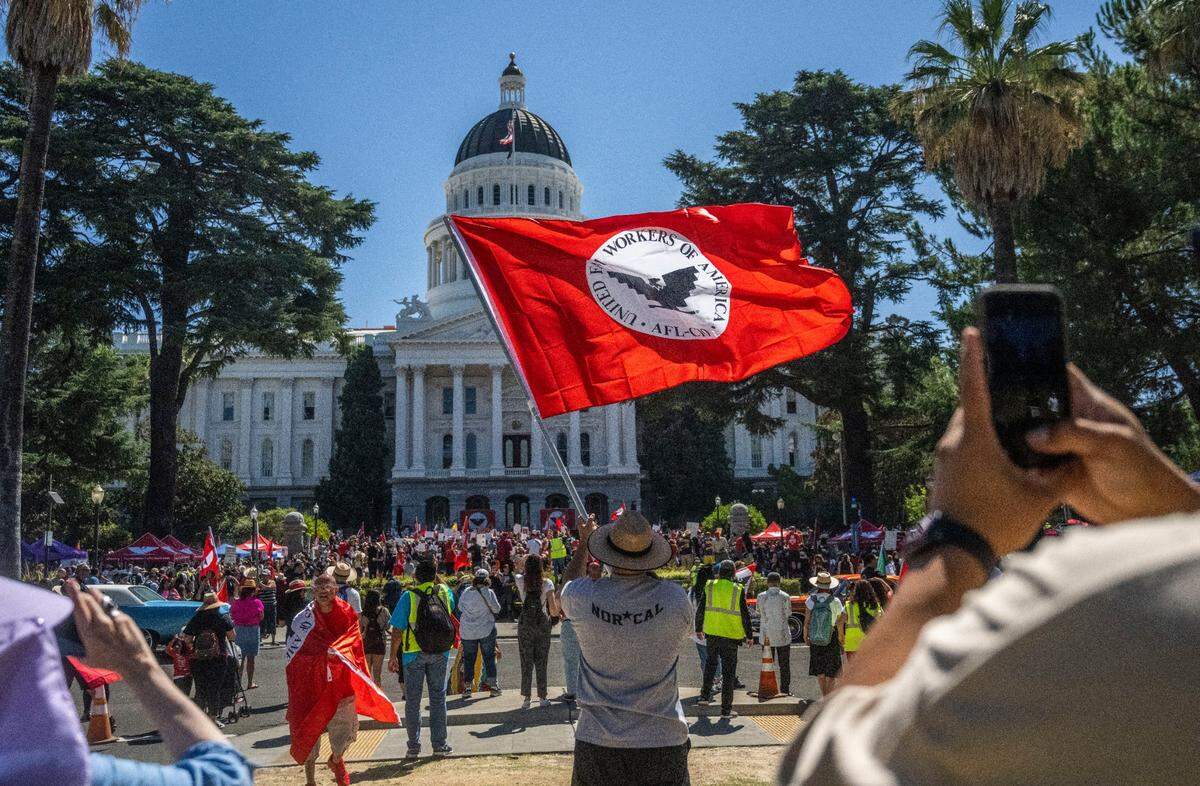
The flag’s meaning aligns to ethnic studies curriculum: Central to any ethnic studies course is the historic struggle of communities of color to challenge racism, discrimination and oppression, and interrogate the systems that continue to perpetuate inequality.
History and culture played integral roles in energizing the strike and boycott. Guided by a triumphant motto, Viva La Causa (long live the cause), a flag to lead their purpose and a corrido (song) to unite their members, the campesinos set out to mark their moment in history. While “Corrido de Campesinos” ignited the first meeting of the National Farm Workers Association, “De Colores” would later become the union’s anthem, sung at all meetings, picket lines and labor strikes. And “Sí Se Puede!” became the motto of the association.
There is instructional purpose in examining all forms of literary text, such as lyrics and the skits of Teatro Campesino. To further develop students’ literacy skills, ethnic studies educators should consider other language arts-based texts, poems, plays and literature, allowing teachers to discuss the literary, poetic and theatrical devices of these works.
Examination of primary reference materials allows students to interpret for themselves the meanings of original text, the purpose of symbols and artifacts and to draw conclusions based on evidence — not secondary explanations or biased viewpoints. The model curriculum encourages students to form and defend their own evidence-based analyses and understand how to appropriately contextualize and evaluate sources of information.
Specific to the Delano Grape Strike and Boycott, valuable archived materials are located at Wayne State University, Stanford University and California State University, Northridge. The National Farm Workers Documentation Project has a vast collection of essays and interviews of Grape Strike participants. The Delano campaign is just one of the many epics in the panorama of American history that needs to be told to protect against cultural cleansing or revisionist history.
Paul García is a retired Fresno Unified School District administrator.