
California agriculture supports reauthorizing cap-and-trade program | Opinion
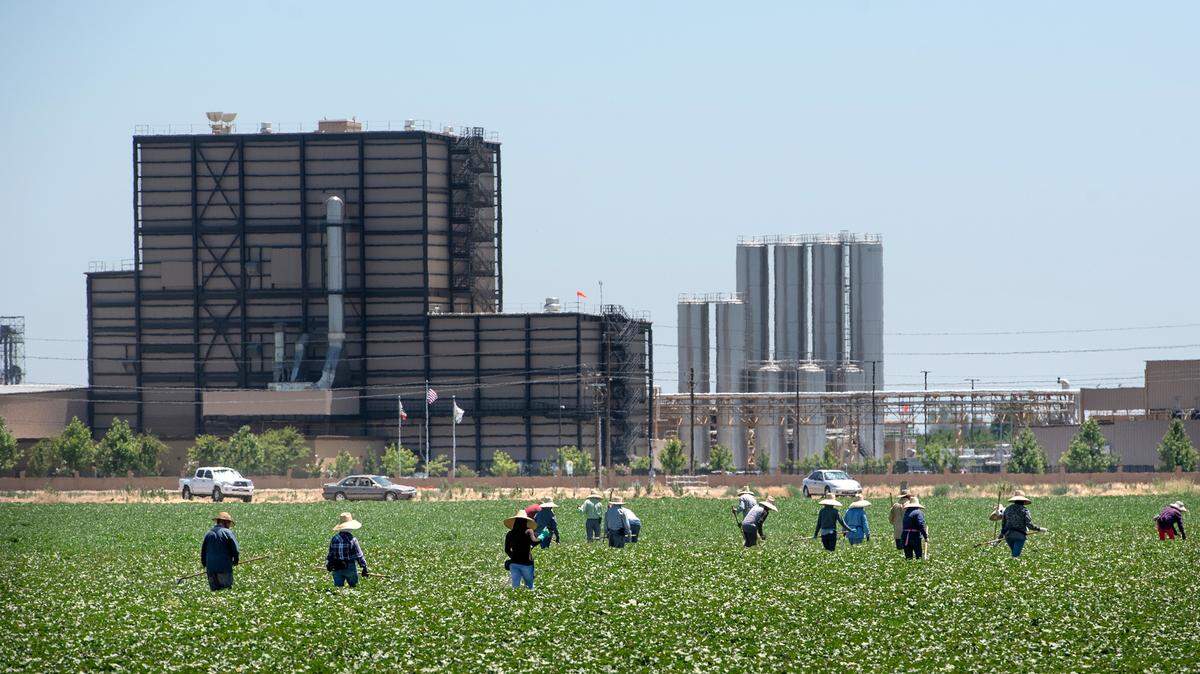
California agriculture has never shied away from change. We’ve weathered droughts, regulatory whiplash, market upheavals and changing consumer demands. We’ve adapted — often faster than we get credit for. But when it comes to tackling climate change and improving air quality in places like the San Joaquin Valley, we need policies that meet the moment without pushing family farms out of business.
That’s why California agriculture supports reauthorizing California’s Cap-and-Trade Program.
Cap-and-Trade is not a perfect system, but short of a regulatory hammer, it’s the best tool we’ve got to reduce emissions while giving businesses — especially agricultural businesses — the ability to plan. It sets a clear price on carbon, then lets the market decide how to cut emissions cost-effectively. That flexibility matters.
Our farmers don’t have the same emissions as a refinery or a cement plant, and we’re not generally regulated under the state’s system. But our supply chain depends upon the businesses that are. We run irrigation pumps, processing equipment, harvesters and trucks — all of which have huge potential for emission savings.
We can make changes, but we need funding to do it.
A market-based approach like Cap-and-Trade helps keep costs down while still driving progress forward. It also helps avoid something that hits our communities hardest: leakage. That happens when overly aggressive regulations push farming, processing or manufacturing out of state or overseas. Nobody wins when we lose jobs here and import the same goods from places with lower air quality standards.
Just as important is what Cap-and-Trade funds. The revenues from this program have become one of the only sources of investment in rural air quality and emissions reduction. The Funding Agricultural Replacement Measures for Emission Reductions (FARMER) Program, helping growers replace old diesel tractors, harvesters and pumps with cleaner technology, is entirely dependent on Cap-and-Trade revenue.
A wildly popular program with stats to support it, FARMER has been oversubscribed every single year and is processing over $500 million of funding requests. The need is real. And unless we reauthorize Cap-and-Trade, that investment in the San Joaquin Valley and in air quality benefits disappear.
Let’s be honest about California’s budget: We have years of pain ahead of us, and the Central Valley will be overlooked. Without Cap-and-Trade funding, there is no backup plan.
Without the Cap-and-Trade system and the investments it generates, there’s no path to meaningful improvement in the San Joaquin Valley. This isn’t just about carbon, it’s about particulate matter, fugitive dust, nitrous oxide and the quality of life for millions of residents.
Still, we need to acknowledge the complexity of this issue. For many residents of rural California, state climate policy feels like (and sometimes is) another layer of restrictions handed down by people who don’t understand what it takes to run a business. I hear this all the time from farmers: “Why are we always the ones getting squeezed?” That frustration is legitimate. And it’s why any extension of Cap-and-Trade must come with a renewed commitment to incentives, not just mandates.
Reauthorizing Cap-and-Trade gives California a chance to double down on what works: market mechanisms, local reinvestment and support for the very businesses that grow the food we all rely on. It also gives policymakers an opportunity to keep listening — to ensure farmers aren’t just expected to comply, but are invited to lead.
California agriculture isn’t backing away from the climate challenge. We just want a fair shot to be part of the solution, not treated like the problem.
Roger Isom is president and CEO of the Western Tree Nut Association and California Cotton Ginners and Growers Association.