
Time for action. Proper forest management is a matter of survival | Opinion
AI-generated summary reviewed by our newsroom.
- Over 27 million trees have died in Fresno County since 2010 due to drought and pests.
- Forest mismanagement and regulatory delays increase wildfire risks in rural areas.
- Proposed reforms would expand funding and streamline forest treatment practices.
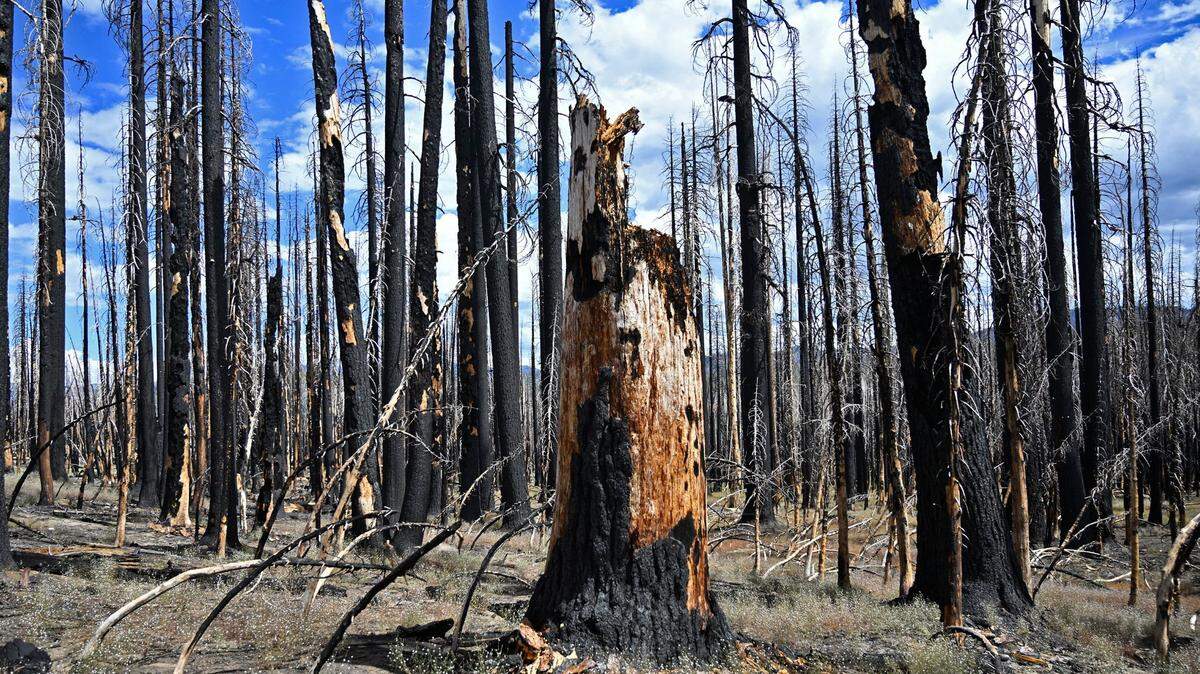
If you’re from California, you’ve likely seen it with your own eyes — our once-thriving forests are turning into graveyards of dead trees, and the threat of wildfire looms larger every year.
Since 2010, over 27 million trees have died in Fresno County alone. That number should shock every Californian. The combined effects of drought, beetle infestations, and bureaucratic gridlock have left our forests vulnerable and our communities exposed. The tragic 2020 Creek Fire, which devastated entire neighborhoods and ecosystems, is just one of many examples of what happens when we fail to act.
Let me be clear: this is not just a forestry problem. It’s a public safety emergency, an economic threat, and an environmental crisis — all rolled into one.
The risks are growing every day:
▪ Families in mountain communities like Shaver Lake, Pinehurst, Miramonte and Dunlap live under the constant threat of uncontrolled wildfire.
▪ Our hydroelectric projects at Helms and Big Creek, critical to powering California, are increasingly at risk.
▪ Post-fire sedimentation threatens roads, infrastructure, and clean water sources like the Kings and San Joaquin River watersheds.
▪ Entire generations of kids may miss out on the magic of organized mountain camps because we can’t keep the forest around them safe.
Our policies have not kept up with the crisis. Regulatory and budgetary roadblocks have stifled forest management efforts. Even when we have willing landowners and local governments, they’re hamstrung by red tape and a lack of resources.
That must change.
Here’s what we need:
1. Increase the acreage limit for National Environmental Policy Act Categorical Exclusions, so more tree mortality projects can move forward swiftly.
2. Simplify and expand the EQIP (Environmental Quality Incentives Program) to reach more landowners who want to be part of the solution.
3. Expedite funding for forest thinning, grazing, and prescribed fire projects — all tools we know work.
4. Extend fuel reduction funding to more landowners, even those with smaller parcels under 20 acres.
5. Prioritize creating more FireWise Communities to give local landowners the tools and plans to manage their own fuel loads, and receive insurance benefits for reducing risk.
6. Enact wildfire insurance reforms that fix market failures and help residents afford coverage, while incentivizing risk reduction.
This is not about politics. It’s about protecting our families, our economy, and our natural resources.
If we fail to act now, the question won’t be if the next fire will strike — but when, and how much we’ll lose. It’s time for Washington and Sacramento to listen to the people living in the danger zones — and trust us to be stewards of the land we know and love.
Let’s get this done. The future of our forests — and our communities — depends on it.