
California’s water infrastructure needs a boost: Time to build new hydroelectric sites | Opinion
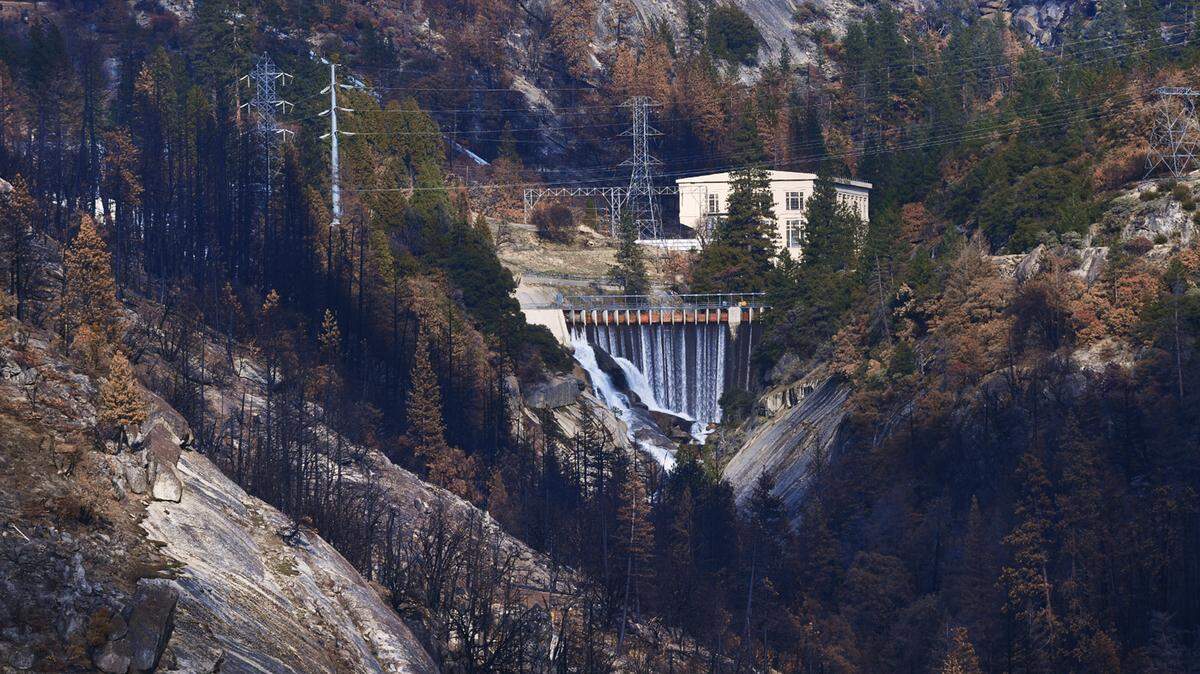
California has not invested in water infrastructure for more than 50 years. Wouldn’t it be great if we could develop more water storage sites and generate clean affordable power?
There are several areas in eastern Fresno County that are suitable for new dams identified over 100 years ago. In the early 1900s visionaries recognized an opportunity to create a series of dams and hydroelectric facilities to provide power to Southern California.
The Big Creek project completed in 1929 involved six dams, eight tunnels (one over 10 miles long), three major artificial lakes and five powerhouses.
This network of systems was created to provide power to a growing Los Angeles and its Southland suburbs. There were plans to build more dams and powerhouses, but the state has lost interest in developing new large scale hydroelectric facilities coupled with new dams.
Today the Big Creek project can produce over 1,000 MW of power when all the power houses are working in tandem. What is even more amazing is the ability of all hydroelectric facilities in Fresno County to produce over 2500MW of power when operating together (Helms alone can produce over 1212MW operated by PG&E).
California has grown significantly in population. The state is looking for ways to conserve water and energy. Californians have done both however to meet the growing needs of our area we need more water and abundant affordable electricity. In our own back yard, we have an opportunity to store that water, create much needed electricity, and reduce greenhouse gas emissions.
In a normal year the San Joaquin River releases over 2-million-acre feet of water and the Kings River 4-million-acre feet. Most of this water is generated from snow melt high in the Sierra. More of this water could pass through a series of dams which would not only store more water when needed but also generate more electricity.
Laws in California disallow the recognition of large-scale hydroelectric plant electricity as contributing to the carbon neutral goals if they produce more than 40MW. This is an arbitrary standard that needs to be overhauled. Millions of acre feet of water fall in the form of snow each year, it only makes sense to use this valuable resource for drinking and generating power to meet the growing needs of the state. This power can be generated without creating greenhouse gas emissions.
If David Redinger could oversee the Big Creek project 100 years ago, imagine what is possible today using modern tools and engineering standards.