California Air Resources Board’s mandate on diesel trucks should be erased from the books | Opinion
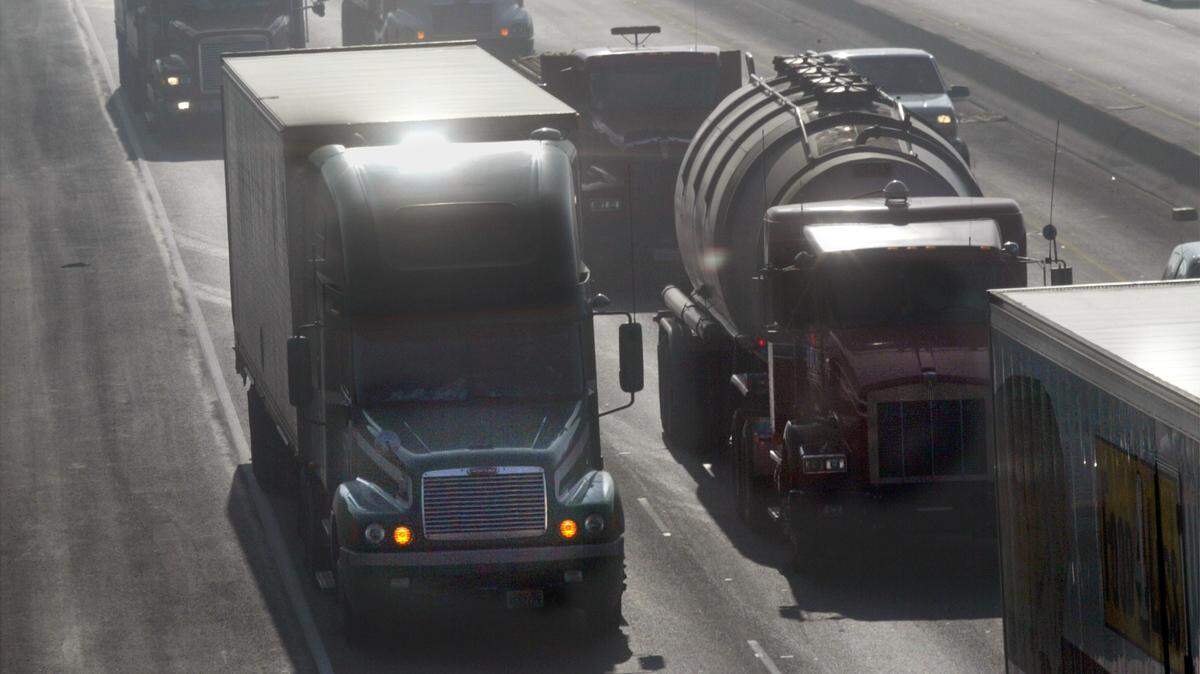
California is blessed to be the bread basket for the world, supplying communities with sweet, juicy oranges, mouthwatering cherries, shiny, crunchy grapes, creamy silk milk and so much more locally-grown food. Getting food safely to stores — and, eventually, to our kitchen tables — requires a reliable supply chain dependent on diesel trucks. However, our supply chain is threatened by strangling regulations from the California Air Resources Board.
In 2023, the board adopted the Advanced Clean Fleets Regulation banning the sale of non-electric trucks by 2036. This mandate was poorly planned and took into account minimal input from those impacted.
To enforce its regulation, the California Air Resources Board needed permission from the federal government. However, in January of this year, before President Donald Trump took office, the board withdrew its application for a waiver. This was welcomed news for the entire trucking and agriculture industries.
The board’s mandate to transition to electric trucks is not currently feasible and would have resulted in a less resilient food supply chain, raising prices even higher. Despite this, the state’s Air Resources Board has stubbornly kept this job-killing regulation on the books. Why? The reason is unclear, as the board has not been transparent about its plans.
Is the California Air Resources Board hoping they will be able to successfully reapply for a waiver after Trump leaves office? And, if they do eventually receive federal approval, will they retroactively punish truckers who did not comply with these regulations?
With a starting price of $350,000, electrical trucks are simply unaffordable for most truck drivers. That base price is more than the average price of a house in my hometown of Tulare. This ill-conceived policy would put truck drivers — many of whom are from working class communities — out of business.
Consumers will be hit, too. When only big corporations are able to afford the electric trucks mandated by the Californica Air Resources Board, they will be forced to pass on their costs to consumers. This will only exasperate the affordability crisis.
Even those truckers who can afford to purchase electric vehicles will face challenges: Electric trucks have a driving range of about 250 miles under perfect weather and road conditions. But perfect conditions do not exist.
California’s topography is diverse. Driving from a country farm to a cold storage site to a distribution center takes trucks through windy, rural roads that twist and turn, draining battery power faster. Once low, batteries takes about four hours to charge, putting food quality and safety at risk in the Central Valley’s 100-plus degree summer days.
And that’s only if a truck driver can even find a charger. The necessary infrastructure for charging electric trucks currently doesn’t exist. The Central Valley is an electric-charging desert: A single truck fleet could require as much power as an entire town. And where charging stations are available, what happens to the charging capacity when the governor issues a Flex Alert due to insufficient electrical supply? Or when utilities call for a power shutoff due to wildfire risk?
To make matters worse, the governor does not have an emergency response plan to extinguish and remove electric trucks when they catch on fire. Lithium ion batteries release toxic, poisonous, combustible gases and can shut roads down for days. Closing highways and freeways for so long further compromises the supply chain and food safety.
In comparison, diesel trucks — with their long-range driving capacity and reliable fuel supply — allow produce to be transported quickly and efficiently. Accidents can be cleared in hours, not days. These California truckers are vital to the state’s agricultural industry and to our state’s broader supply chain.
To preserve jobs in the agricultural sector, protect our supply chain and curb the skyrocketing prices of groceries, the California Air Resources Board must eliminate this regulation. It is time the board, the governor and his administration work with — not against — employers and employees critical to the state’s economy.