
Prop 36 is a flawed crime-fighting plan that prioritizes punishment over justice | Opinion
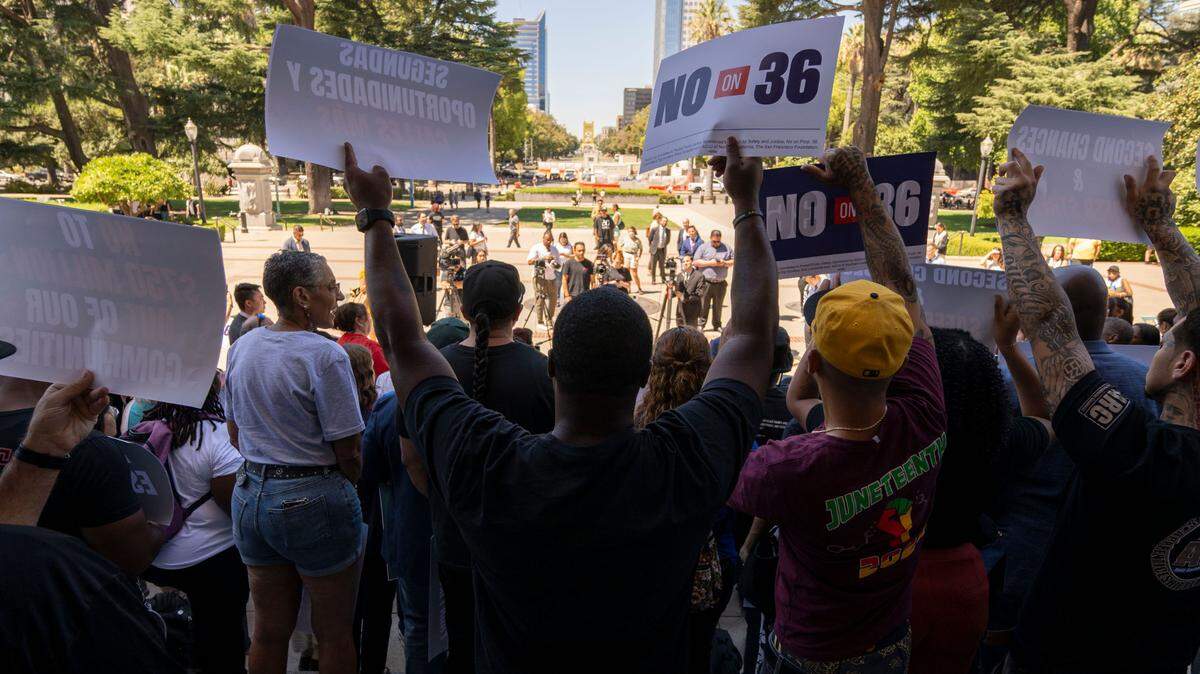
Proposition 36, on the California ballot for the Nov. 5 election, is presented to the voters as a crime-fighting measure. It will make certain crimes felonies that are now misdemeanors and impose longer prison sentences.
Three key moral values of our Unitarian Universalist faith are love, a power which holds us together, justice, where racism is dismantled, and equity, where every person is inherently worthy and has the right to flourish with dignity, love, and compassion. Voting no on Proposition 36 is consistent with those values.
Proposition 36 is inequitable because it treats prior misdemeanor convictions as cumulative instead of “letting the punishment fit the crime.” If, for example, someone is previously convicted twice of thefts of less than $950, the third conviction would result in the crime’s reclassification as a felony. Equity means that the punishment should fit the crime charged, not that the punishment is increased upon a third conviction for a relatively minor crime.
Because the misdemeanor arrest rate among poor people and especially for people of color is double to quintuple the rate for whites for drug possession, theft, and vandalism, Proposition 36’s increased sentencing will fall disproportionately, inequitably, and unjustly on those who can least afford the fines, court costs and jail time.
Longer prison sentences are expensive. In California, it costs the state $133,000 a year per prisoner. Recidivism in California prisons is around 40%. Locking up more people has never been the answer to solving our society’s problems. According to the Legislative Analyst’s Office, hundreds of millions of dollars annually in higher costs would result from the longer prison sentences and felony prosecutions, which take longer to conduct and are more complicated.
An additional tens of millions of dollars annually would likely result from the net increases in county jail populations and in local court-related workload.
Where would this money come from? In 2014, California passed Proposition 47 which increased funding for mental health, drug treatment, school truancy, dropout prevention and victim services. Last year, the state saved $95 million by providing these preventative services and overall, the state has saved almost $1 billion! Proposition 36 would undo some of these proven preventative services and shift the money into programs that are punishment focused.
Proponents of Proposition 36 cite the problems of smash and grab thefts and drug trafficking, particularly with fentanyl, which need to be addressed. Opponents of Proposition 36 point to laws that have been passed in the last two years. State leaders have increased funding for retail theft prosecutions and fentanyl trafficking, leading to more convictions, and they note that lawmakers continue to pass strong new laws targeting retail theft rings, illegal online markets, and fentanyl.
California does not need Proposition 36 as it is inequitable, unjust, too expensive, will reduce proven preventative services and does not recognize the job that our elected lawmakers are doing to effectively deal with the serious concerns of theft and drug trafficking.
Vote No on Proposition 36!