Huron mayor: Clean energy is great, but the state’s grid cannot deliver enough of it | Opinion
The impacts of climate change and industrial pollution have burdened California’s Central Valley for decades. The region’s air quality ranks among the worst in the nation and cycles of extreme drought and heat are disrupting the local agriculture and economy.
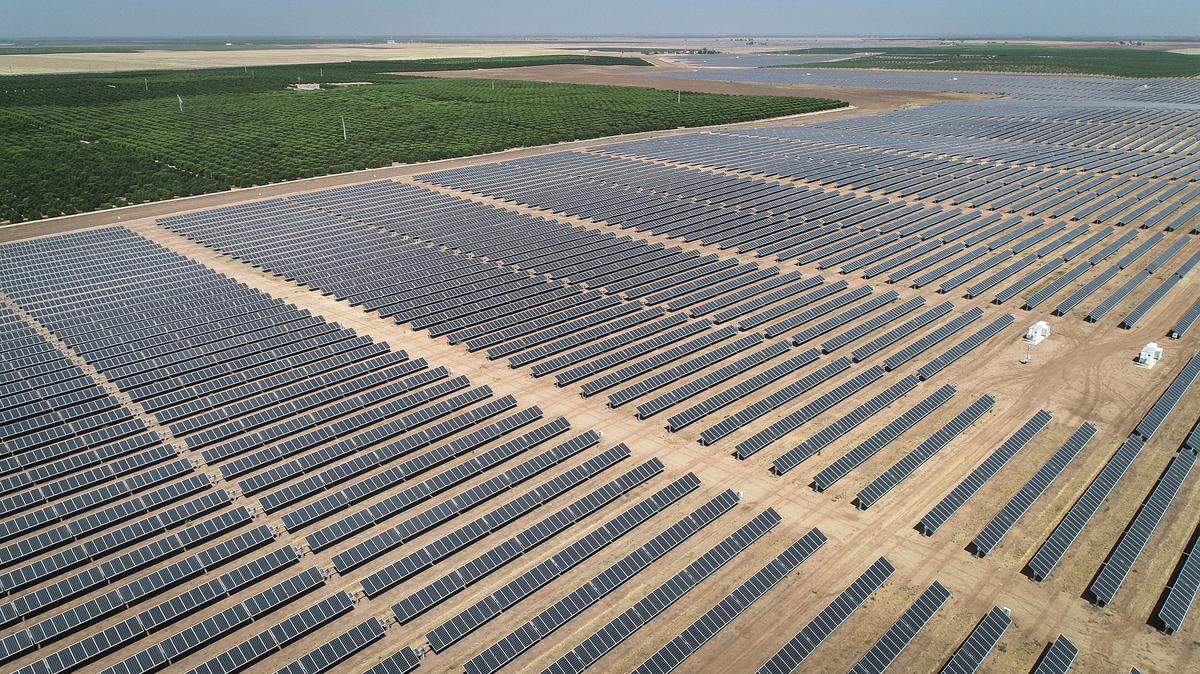
But the region can also be a key hub for the state’s transition to clean energy. Our region gets around 300 days of sun each year. Per long-term resource planning, the Central Valley is the single most important part of the state for additional solar generation needed to zero out greenhouse gas emissions.
To make that happen, though, we need a strategy that puts local communities first in benefiting from renewable energy development. In my community of Huron, we’re already combining clean energy generation with community engagement. We have shown how to provide accessible clean transportation to help improve local air quality. We have more EV charging stations in our town of 6,240 people than most cities with ten times that population.
Despite the great renewable energy potential and our pressing needs for sustainable economic development, however, progress on clean energy generation has been slow and direct community benefits, even slower.
The main reason for the holdup is overloaded transmission lines. Without serious upgrades to the Central Valley’s transmission network, clean energy can’t make it to the grid. A new report from CEERT shows that chronic backlogs in the California Independent System Operator’s (CAISO) interconnection queue are an issue for all of California. In the Central Valley, the interconnection problem is even more pressing.
The San Joaquin Valley produces a quarter of the nation’s food. People depend on agriculture and the jobs it provides. But extreme weather fueled by climate change threatens our way of life. Heat-related deaths are 35 times more likely to occur among farmworkers than workers in other industries. Fighting climate change is serious for us. My farmworker constituents are the first and worst hit. The stakes couldn’t be higher.
CAISO recently identified multiple reliability upgrades to part of the transmission system built over 75 years ago. The aging rural grid covers excellent locations for solar and battery storage. Agricultural land whose use has been compromised by overdrafting of groundwater and increasing water scarcity can find new life in clean energy generation.
In Huron, an outdated transmission system holds us back from attracting new business, agricultural and otherwise. That’s why we need the CPUC and the CAISO to prioritize the Central Valley for transmission development and look to community benefits so that these developments can directly impact Huron and similar communities in this region.
The upcoming 2024-25 Transmission Planning Process (TPP) can provide a clear map for transmission upgrades. However, clearly identifying the need for better transmission is not enough to guarantee the Central Valley’s transition to clean energy. The California Public Utilities Commission must also streamline its permitting process to ensure that new transmission gets built.
A recent report by the Clean Air Task Force revealed that of 13 proposed transmission projects submitted to the CPUC between 2012 and 2019, only two were completed, and even those experienced long delays in the environmental review process.
Last year two Senate bills, SB 420 and 619, attempted to address the problems with the CPUC transmission permitting process. But after vetoes from the governor, any solution now rests in the hands of the CPUC itself.
The Central Valley is becoming a hub for clean energy development. To move that forward, we need to build out the transmission system to move power to where people live and work while providing programming and resources to ensure high-road transition for those farmworkers that are being displaced and those students that have a whole new future to look forward to.
With the impacts of climate change accelerating, we don’t have time for delays. We need to rapidly develop clean energy for our health, safety, and economy. It’s time for California’s leaders to prioritize upgrading the transmission system not only to our populous cities, but also across our rural communities to ensure we advance quality of life for hardworking farmworker families.