
Fresno’s minimum-wage workers have a key need: affordable apartment housing | Opinion
The Central Valley has many beautiful wonders, from the abundance of agriculture to the rich history and limitless access to area cities.
I can take a day trip to hike in the mountains, dig my toes into the sandy beaches a few hours west, and face my fear of heights at amusement parks. I have access to all these glories, but it comes with a price: costly housing.
California is extremely expensive to live in, especially within the bigger cities. California has several cities with the most expensive rent in the entire country, such as Los Angeles and San Francisco. In 2021, the Public Policy Institute of California conducted a survey that reported that 90% of California residents complained about their state’s unaffordable housing.
Fresno, where I grew up and live today, is California’s fifth largest city and experienced some of the biggest increases in rent nationwide during the pandemic. Fresno County still needs more than 30,000 affordable housing units to meet the needs of residents.
The substantial shortage of affordable housing for residents is due in large part to the longevity of single-family zoning regulations. These policies restrict apartment construction to certain areas of land. Although California’s population has declined in recent years, it is still the most populous state and affordable housing construction has not kept up with demand. Due to the limited supply and outsized demand, the price of houses and monthly rent have skyrocketed. In 2021, the average cost of a house nationwide increased by 18.6% during the pandemic.
Although the market is slowly declining, housing still remains on the higher spectrum.
The expiration of safety net programs, such as the CalFresh food assistance and Low-Income Housing Tax Credit, is the main cause for California’s increased 13.2% poverty rate, according to CalMatters. As these resources are taken, individuals are left financially struggling to afford rent and their additional bills.
Fresno resident Anthony Lebar, 25, has lived in his apartment for only two years, but has already experienced four rent increases in that period. His monthly rent used to be $750, but now has jumped to $1,000 a month; not including utility bills, food, transportation, or household expenses. As a result of these increases, and as a sole-income household, Lebar is currently living paycheck to paycheck.
Adding to the problem is that, for decades, wages have not kept up with the rate of inflation, making it harder for people to afford housing. It is nearly impossible to pay rent and additional necessities with an income of $15.50 an hour in California. This leaves low-income earners with few options for housing, often in neglected areas where homelessness and violence are present.
To address the housing crisis, California needs to urgently create more affordable housing options.
Last fall Gov. Newsom signed a housing package consisting of 56 bills that is intended to resolve the housing crisis. These bills release housing construction limitations so that institutions are allowed to build affordable housing options.
The benefit of these bills is that they allow organizations and property owners to effectively utilize their space to increase housing opportunities.
Without more affordable housing, some Californians are moving out of state, which is having a ripple effect on local economies.
Cities need to invest in neighborhoods that have been historically neglected, and invest in affordable housing. Cities also need to do more to ensure safety around existing affordable housing.
“I live in the ghetto. There is a lot of homeless people. There’s a lot of drug addicts. There’s a lot of gangs and gang violence surrounding my area” Lebar said in a recent interview.
He said that there had even been homicides in his apartment complex as well as an attempted burglary in his own home.
The unfortunate reality is that affordable housing is available in the Central Valley within areas consumed with violence. With inflation and the migration of individuals from larger cities, rent will only continue to increase.
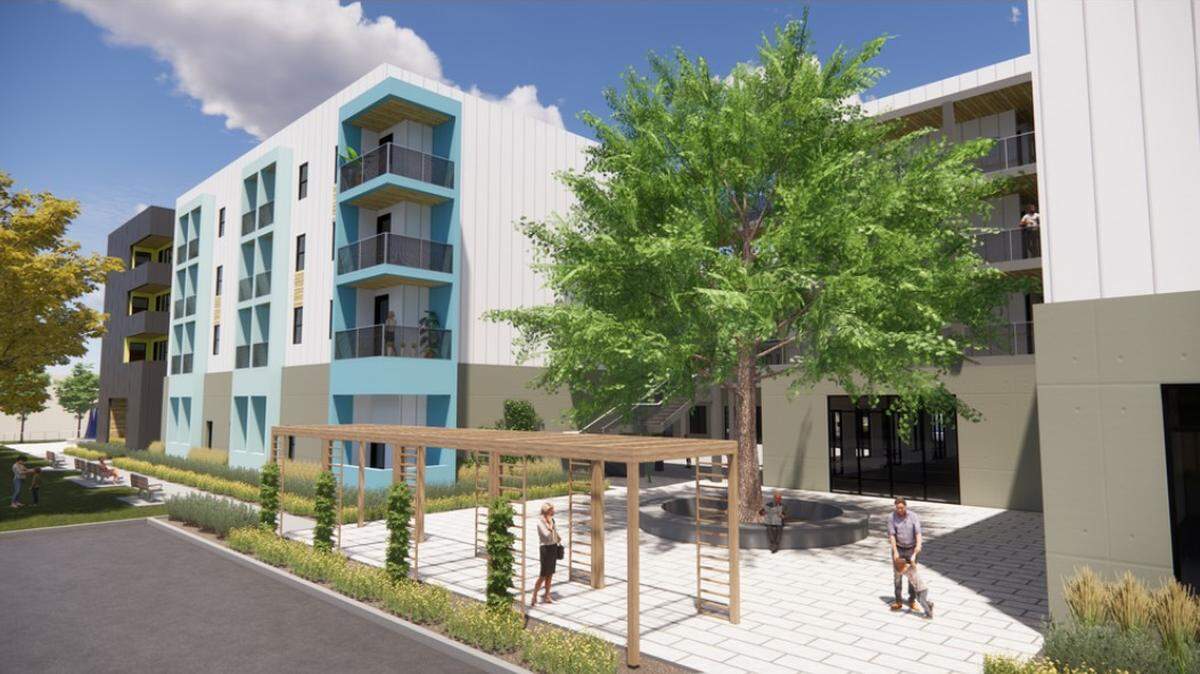
I believe a solution to the housing crisis is to create more affordable apartments within the Central Valley. As our population within Fresno expands, housing needs to accommodate those demands.
In addition to expansion, the price of rent and housing needs to reflect the incomes of everyday individuals with minimum-wage salaries, keeping in mind the economic damage due to inflation.
This story was originally published January 22, 2024 at 10:16 AM.