Three key water projects mean new supplies for San Joaquin Valley farmers | Opinion
Water is the lifeblood of California, and the state has always faced unique challenges in managing its precious water resources.
In recent years, a series of ambitious projects spearheaded by the San Luis and Delta-Mendota Water Authority have been undertaken to restore California’s critical water infrastructure and to begin to address some of its members most pressing supply issues.
San Luis and Delta-Mendota is a joint powers authority of 27 agencies providing federal water supplies to 1.2 million acres of irrigated agriculture in the San Joaquin, Santa Clara and San Benito valleys, more than 2.5 million Californians, and more than 135,000 acres of managed wetlands of importance to millions of migratory waterfowl traversing the Pacific Flyway.
Some key projects are the recently completed rewinding of the large motors at the C.W. “Bill” Jones Pumping Plant, the restoration of lost capacity of the Delta-Mendota Canal, and the raising the B.F. Sisk Dam to expand San Luis Reservoir storage. Each of these are of vital importance to the future of California.
These projects, some complete and some in progress, will provide numerous benefits, including increasing the reliability of critical water infrastructure, increasing resilience to future droughts, and decreasing flood risk.
The Jones Pumping Plant, located near Tracy, is perhaps the most crucial water supply facility in California’s Central Valley Project for farms, communities and ecosystems south of the Sacramento-San Joaquin Bay-Delta.
This year, the water authority completed a five-year, $32.2-million project to rewind its large motors — a feat last performed in the early 1980s. The rewound motors ensure that the pumping plant operates at optimal efficiency, reducing the risk of unexpected downtime and ensuring a steady supply for much of Central California and Silicon Valley, in addition to reducing the plant’s energy consumption, resulting in cost savings and a smaller carbon footprint.
The water authority is leading an approximate $900-million project with the U.S. Bureau of Reclamation and the California Department of Water Resources to restore the nearly 15 percent of the capacity lost due to land subsidence. Subsidence, the sinking of irrigation canals due to soil compaction, is a challenge for many arterial canals that convey water to the nearly 27 million Californians who live south of the Bay-Delta.
Restoring canal capacity will improve management of water supplies and increase climate resilience, which benefits farmers, homeowners, businesses, and the environment. In an average year, the improved conveyance capacity is estimated to result in close to 51,000 acre-feet of restored supply — enough water to serve a little over 100,000 homes for a year.
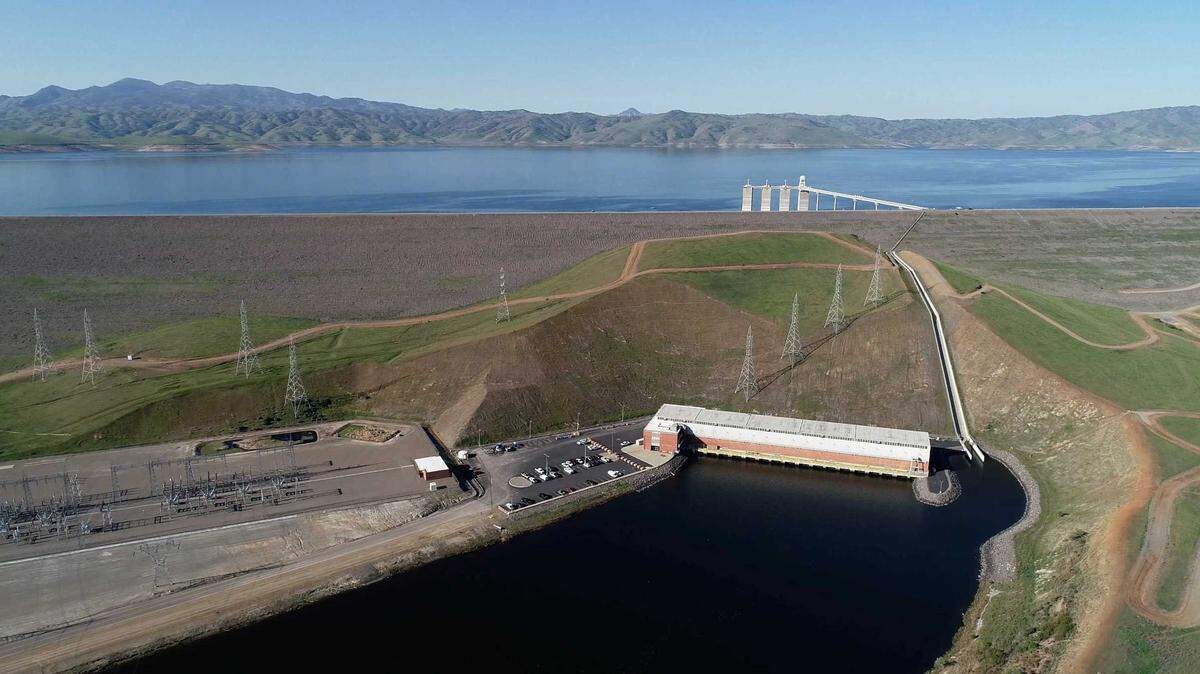
The B.F. Sisk Dam, which forms the nation’s largest off-stream reservoir, sits in the heart of California’s Central Valley. It has long been a critical component of the state’s water infrastructure. Raising the dam’s height will be a game-changer for California’s water management, offering several key advantages. The dam is being raised in two phases, each of which is a 10-foot elevation increase.
Phase I is a nearly $1 billion federal government response to improve dam safety in the event of an earthquake. The second phase is a partnership between the water authority and the federal government to add storage capacity. An expanded San Luis Reservoir will provide an additional 130,000 acre-feet of supplies — enough water to serve approximately 260,000 homes for a year, to irrigate enough land to feed approximately 100,000 people for a year, or to provide an additional 40,000 acres of seasonally managed wildlife habitat.
Raising the dam’s height also improves flood-control capabilities by providing additional space to store water during periodic flood events, helping to protect communities while California adapts to climate change.
The dam’s increased height also means more water can be released through turbines, leading to increased clean hydropower generation.
These projects are tangible examples that improvements can be made to California’s water infrastructure despite the seemingly insurmountable challenges confronting us today.
We must remember that generations before us saw the great potential of California and built infrastructure to support its development and growth into one of the most diverse economies in the world — first in the nation in agriculture, first in the nation in technology, with a beautiful landscape that we must protect.
Our task is to continue to build upon that legacy and improve the foundation that was built so long ago, so that future generations can have a greater level of security than we have.
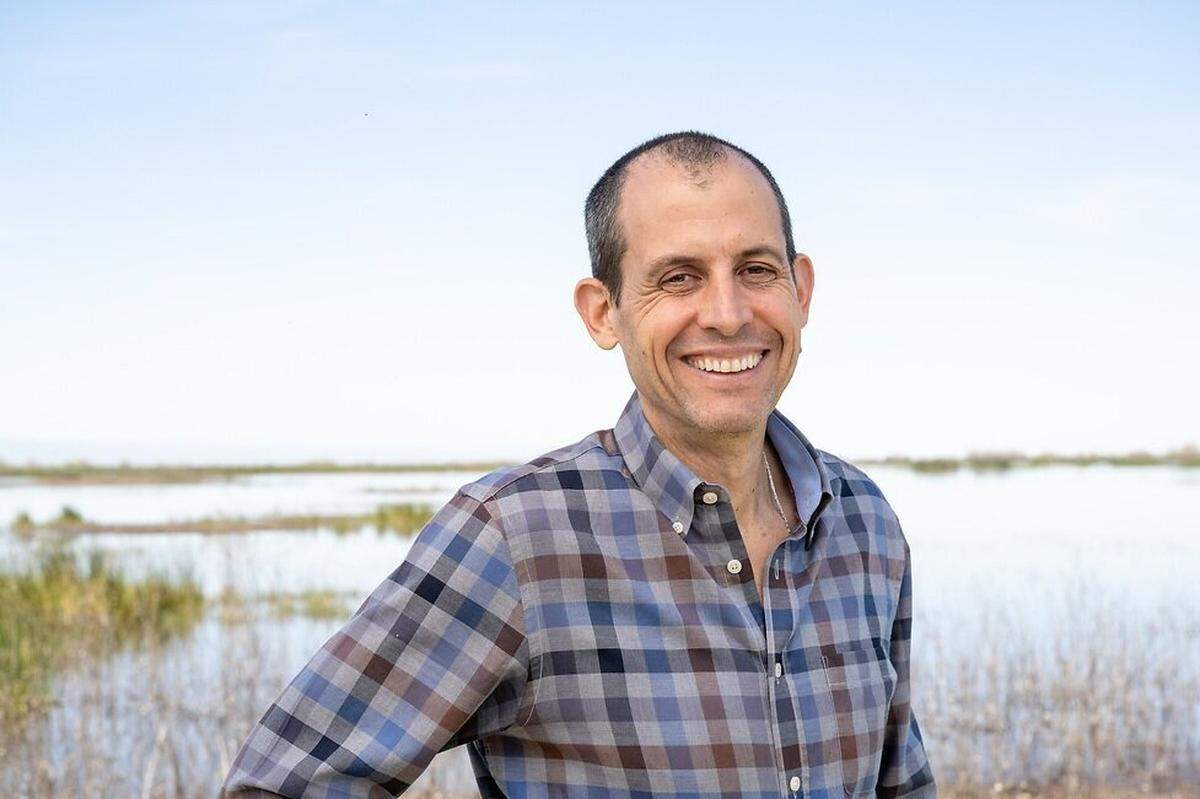
Cannon Michael is a sixth-generation California farmer, is the head of Bowles Farming of Los Banos, and serves as chair of the San Luis & Delta-Mendota Water Authority. He can be reached at cannon@bfarm.com.