
Redlining’s horrid impact on Fresno’s Tower District can end with better planning | Opinion
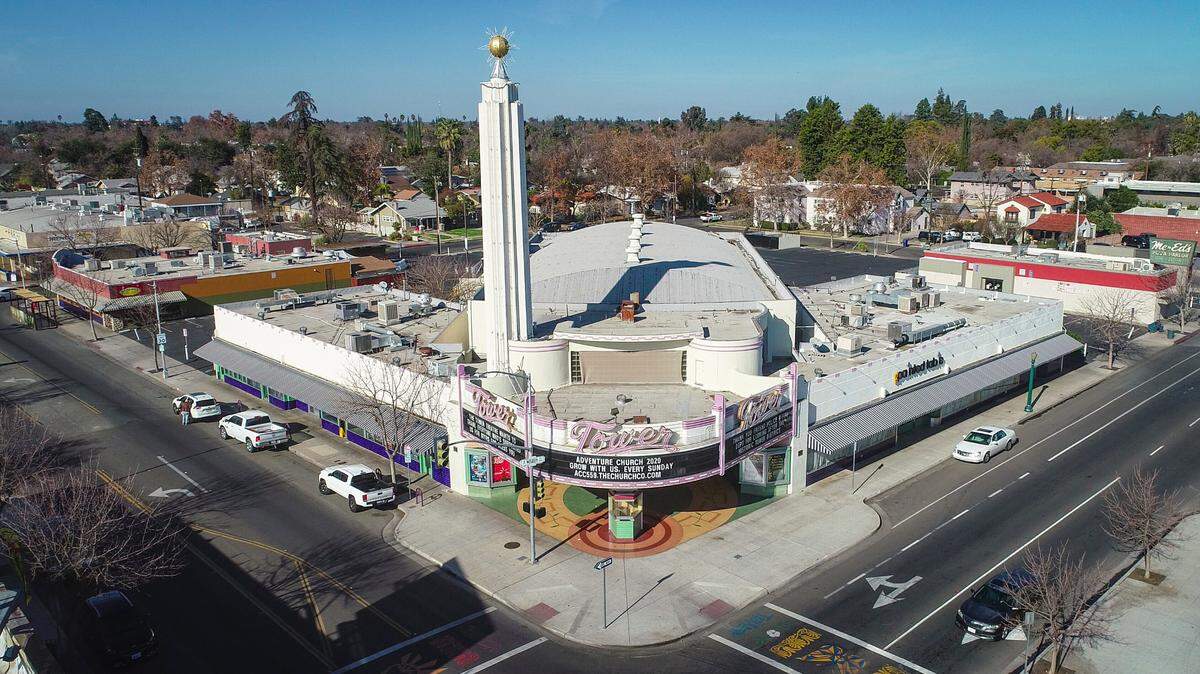
As a resident of south Tower, just north of the Belmont industrial super block and the Highway 180 projects that tore through a once bustling, ethnically diverse Belmont corridor, I think it’s time we center the conversation about Tower District’s neighborhood specific plan differently. It’s about time we look at historical redlining maps and acknowledge how the historical boundaries they outline continue to define our neighborhood today.
In those maps, North Tower was marked blue — low risk for lenders. Those areas still have more trees, more green space, more resources, and better maintained streets. Wilson Island was marked green — favorable for lending. It is nicer still and even better maintained. Why were those particular places deemed favorable? Because, as stated in the notes on the redlining map, those areas were “generally protected by racial deed restrictions.” In other words, minorities were legally not allowed to buy or rent in the neighborhood.
What about the rest of Tower — those places “generally not protected by racial deed restrictions”? Everything west of Palm, east of Del Mar, and south of Olive was marked yellow or red — risky or high risk for lending. Most lenders would not lend in red zones at all, and the difference in investment is still noticeable. There are less trees, poorly maintained streets, whole blocks bought up by slumlords and industrial magnates, and freeways built through existing neighborhoods.
Even today, the city is reluctant to invest in those areas. We are seeing that a park south of Olive that is five years in the making — Broadway Park — has yet to break ground. Meanwhile, in the blue zone, the park at Van Ness and Weldon is set to open this summer after just a few short years.
One might assume that redlining and deed restrictions are a thing of the past, so their effect on the Tower probably waned long ago; however, while racial deed covenants were deemed federally unenforceable in 1948, they were still legal in California until 1968. Fresno County, specifically, allowed 10-year extensions of deed restrictions as late as 1978. Even more horrifying, no plan was put in place to remove such covenants until March of last year.
It’s time for us to not simply acknowledge the roots of Tower privilege, but let go of our emotional fragility and start prioritizing the safety of folks whose intersectionalities make their lived experience of life in Tower and Fresno a wholly different reality.
The district, as we know it today, thrived because of systemic and continual acts of racism, and we are still prioritizing the comfort and security of one part of the redline over the prosperity of the communities just on the other side of the street.
Tower fails to be a safe place for its whole community. But we are, right now, rewriting the documents that will guide our district’s future. This is the perfect time to make sure that we make Tower healthy and prosperous for everyone.
That doesn’t mean symbolically opening a seat at the table. It means moving the table south of Olive, west of Palm and east of Del Mar. It means showing up to the community meetings like the one this Saturday at 11 a.m. at Fresno City College, centering the communities that were left behind since the specific plan was last adopted, and demanding the city provide authentic opportunities for input for the people that live there.