Central Valley dairies utilize various methods to ensure clean water for all | Opinion
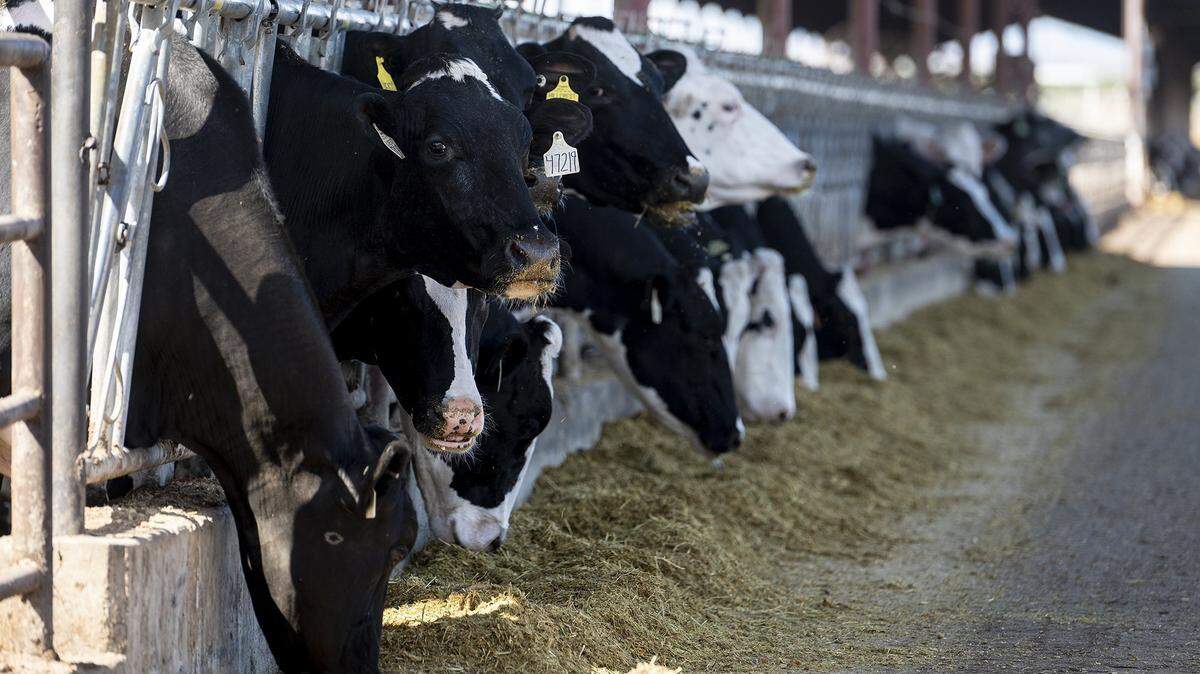
The struggle for safe drinking water in the Central Valley has been around for generations. Even the first settlers to the region had to deal with water quality issues since the Valley is uniquely situated at the bottom of a large basin. The California dairy industry has stepped up to implement feasible solutions that will keep our friends and neighbors safe and able to maintain their livelihoods. But it will take collective and coordinated action by the agricultural industry, state and local leaders, regulators and environmental groups to adequately improve our water quality.
This fight is deeply personal for me, having grown up on a diversified farm in the Central Valley and spending my career in farm management and agriculture. I saw firsthand the impact that limited access to clean water had on my family and continues to have on families and farm operations across the Valley.
For generations, our dairy farmers have played a critical role as innovative leaders in the agricultural sector, with deep ties to the local communities where we live and work. Dairy farmers drink the same water as the surrounding communities, so we want to make sure it’s healthy for everyone.
As an industry, we have modernized our farming practices to come up with strategies that are up to the task of providing access to safe drinking water instead of having to choose between the dairy industry, our communities or the environment. We’ve realized we can do all three if we start adopting innovative manure management practices.
This journey has taught me that effective water quality management must be done in partnership — we need better coordination, resources and support from decision-makers, regulators and stakeholders.
For example, the dairy industry was a key collaborative member of the recent Manure Recycling and Innovative Products Task Force convened by the California Department of Food and Agriculture. The recommendations from the task force are ready to be implemented, with broad support, existing frameworks and measurable successes. But what we’re running up against is a lack of adequate funding that will sustain success over time to correct our water quality problems.
Industrywide change requires an “all of the above” approach to meet the size and geographic diversity of our farms. The solutions we’ve developed range from more conventional strategies that are relatively inexpensive and widely accessible, like equitable manure distribution around a farm or neighboring farm, to more advanced strategies where manure is converted to a fertilizer or compost product that can improve soil health and other alternative management strategies that produce renewable energy and reduce methane emissions. There is also consideration of higher tech options such as vermifiltration, where worms convert contaminants to harmless constituents with additional soil benefits.
If you look around the Central Valley, you’ll see a number of these strategies in practice with more on the horizon. We’re paving the way for another generation of dairy farmers to live and work in the Valley and support their families and communities.
As a lifelong California farmer, I am deeply invested in where I live, the land and the people. Clean water is paramount to our lives in the Valley.
The dairy industry is committed to protecting our water quality by continuing to provide leadership and advance creative, science-driven dairy management practices with our collaborative partners. We take this shared responsibility seriously. It’s up to us to ensure our local communities can thrive and one of the state’s most important industries can continue to sustainably produce the dairy products millions of California families depend on every day, while supporting our local and statewide economies.
I know we can do it.