
The Central Valley can protect its water despite California’s uncertain climate future | Opinion
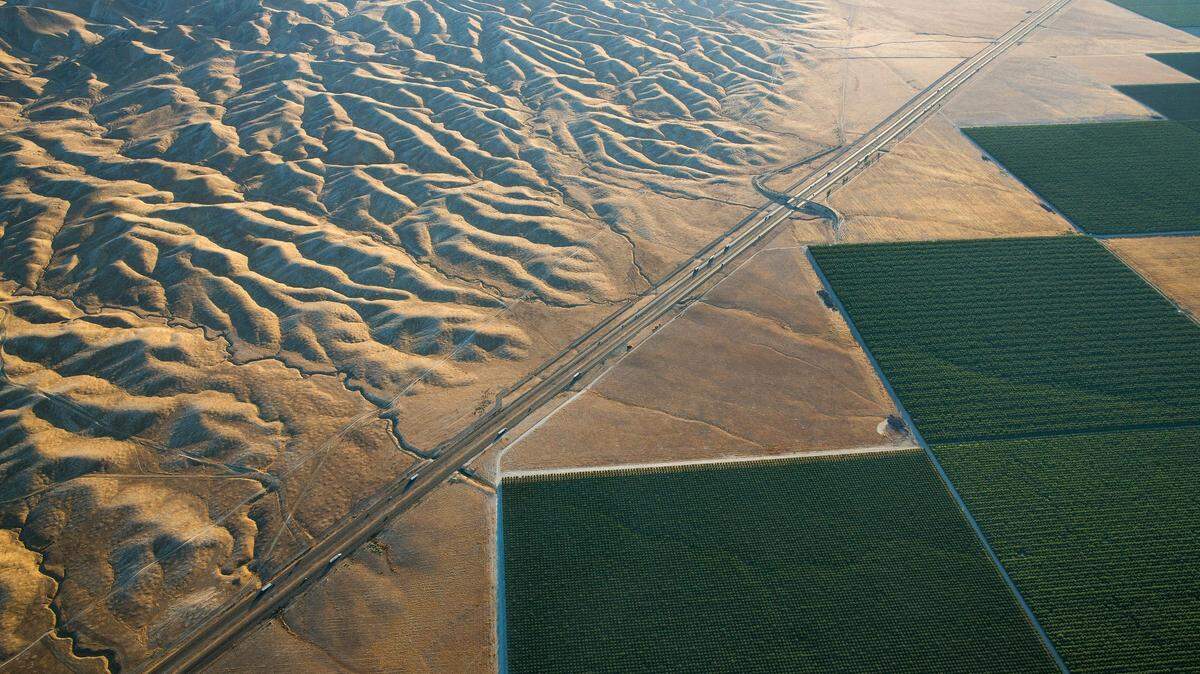
By a unanimous vote of the landowners in 1952, the Westlands Water District was formed to secure and manage a sustainable water supply. Several of those founding families farm in Westlands to this day, continuing to invest and advocate for a water supply that will allow their grandchildren to continue the livelihoods of their family and feeding the nation.
August marks the end of my first three months as the new general manager for Westlands. I have a deep respect for the more than 70 years that the district has served our communities, first advocating for the investment in our state’s water delivery system and, for the last five decades, stewarding one of the Earth’s most precious resources. At the same time, we must usher in a new era of problem-solving, collaboration, conservation and innovation to address challenges brought on by changing hydrology, climate, politics and renewed priorities.
California recently transitioned from the driest three-year period on record to extraordinary rains, dense snowpack and swollen reservoirs, proving just how volatile our water supply is and will be as we deal with increasingly extreme weather patterns.
Farmers rely on us to deliver water, so we must lead in conservation and sustainability to ensure water that is available today is used efficiently and stored for use in future dry spells.
For instance, water from the San Luis Canal never sees the light of day traveling through our buried pipe distribution system, helping to prevent seepage and evaporation. Every drop delivered is metered, helping to prevent waste. The commitment to using water wisely extends to our farmers, as they have invested in bringing our district to over 96% efficient drip or micro-drip irrigation.
The district is also taking aggressive actions to store the abundant water we received this winter by spearheading and funding groundwater recharge programs to help replenish the aquifers that store water for future droughts. We’re seeing strong results: This year, the district has recharged approximately 80,000 acre-feet and is well on our way to hitting our goal of getting to over 200,000 acre-feet by February 2024, the end of the water contract year. That’s enough water to grow around 133,300 acres of cantaloupe or garbanzos or 100,000 acres of tomatoes.
We’re focused above ground, too. Prolonged drought and unreliable water supply have pushed the agricultural community and farmers in our district to repurpose agricultural lands. In doing so, we must mitigate the negative impacts of taking farmland out of production and pursue uses on those lands that maximize the benefits.
Westlands acquired 97,000 acres over two decades to retire from irrigated farming. Today, most of this land is being repurposed and destined for solar energy production, or, more recently, for groundwater recharge. Solar projects now generate enough energy to power more than 3 million homes, helping California meet our renewable energy goals and keeping jobs in the area.
Through a recent grant, Westlands landowners applied for funding to limit agricultural groundwater pumping near domestic wells. We saw 45 applicants apply and eight projects received funding, which will result in 2,422 acre-feet of groundwater saved. Thanks to support from another grant, we will be developing a community-informed, multi-benefit land repurposing plan for the district.
We’re proud of the work we’ve done, but we know strengthening water security in California isn’t something that can be done by just one water district, one water agency or even one region. We’re committed to working collaboratively with communities and agencies at all levels to improve climate resiliency and quality of life in the communities we serve while continuing to provide food for our tables. We believe increased collaboration is the key to serving our farmers and our communities.