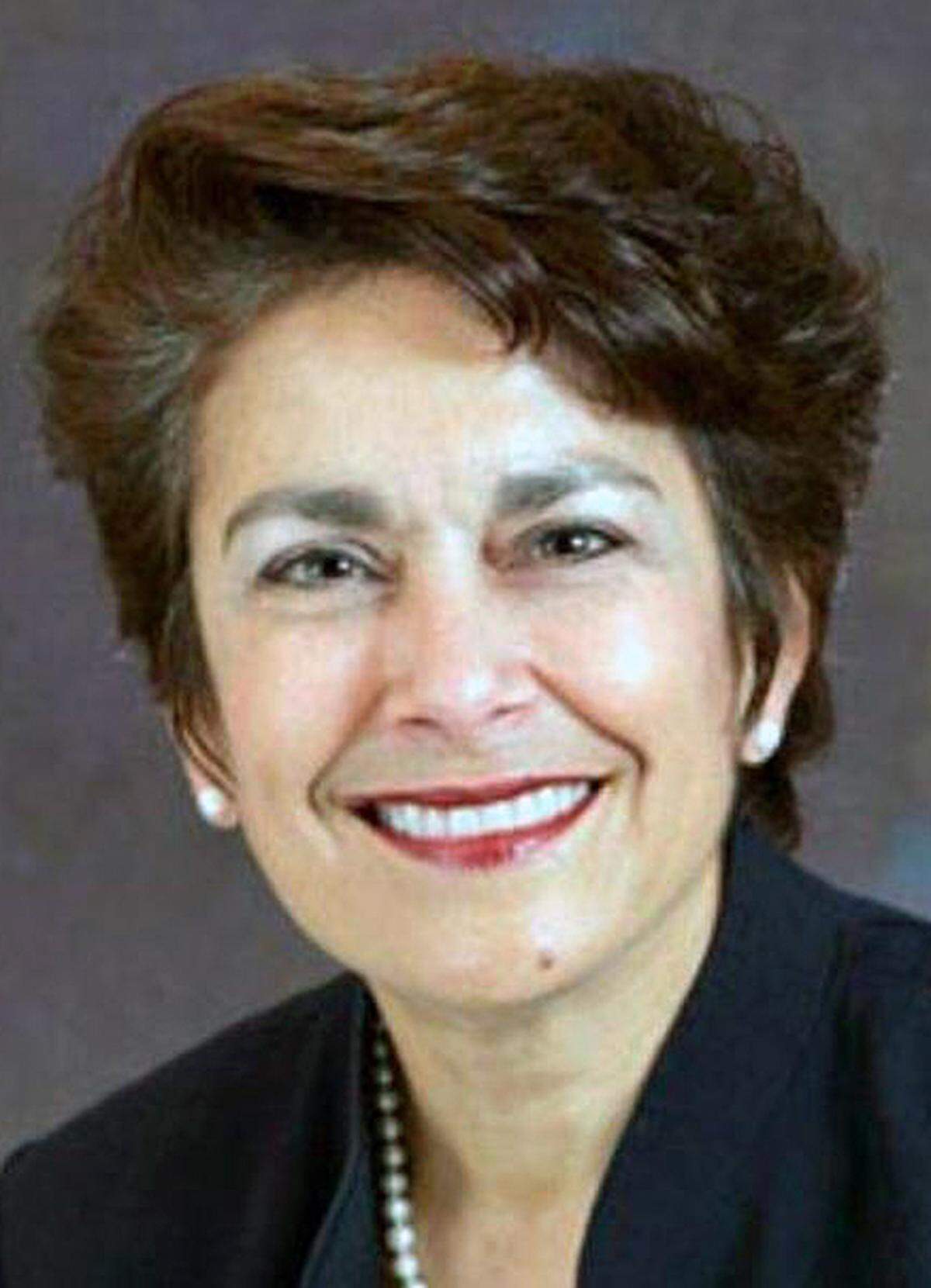
State Sen. Anna Caballero: Democratic party needs better playbook in future elections | Opinion
I am grateful to have won re-election to the California Senate to continue to serve the residents of Merced, Madera and Fresno counties. And I am humbled by the 13% margin of victory that San Joaquin Valley voters bestowed upon me. But my joy is tempered as I look at other election results throughout the Valley.
Unfortunately, fellow Democrats Adam Gray and Rudy Salas both suffered defeat in congressional races that helped give Republicans majority control of the U.S. House of Representatives. Esmeralda Soria won a close election in her state Assembly race and Melissa Hurtado won her re-election in the 16th Senate District by only 13 votes. I’m concerned that the results of these recent elections will encourage the Republican Party in future Valley contests.
To address that concern, our Democratic party must make some serious adjustments in its approach. The Valley electorate is becoming younger and increasingly Latino. As a result, the traditional Democratic playbook can no longer be counted on to win elections and to build broad-based political strength in this key emerging power center.
I have dealt with this traditional playbook twice, once in 2010 and once in 2018. In both races, Democratic party regulars advised me to appeal to moderate swing voters known as “Valleycrats.” I was told that those voters were the key to victory. I accepted the advice in 2010, and I lost, and I discounted the advice in 2018, when I won.
In 2018, I ran as a proud Democrat and we found our winning margin among Latino voters. We targeted our field campaign to reach over 55,000 Latino voters who were highly partisan Democrats, but who failed to vote in previous off-year state Senate elections. According to a statistical analysis done by Dr. Lisa Garcia Bedolla of UC Berkeley, a well-known expert on Latino political engagement, our efforts had almost a 10% impact on the turnout of that cohort and they were the key to our victory.
The 2018 electorate skewed younger and more Latino than any similar election in district history. This trend has continued. In my November 2022 re-election, we designed our winning strategy along similar lines as 2018, this time emphasizing younger female Latina voters. Our efforts were successful and led to our early, decisive 13% victory margin.
Our Democratic party needs to develop campaign strategies and tactics that address younger, Latino voters. As Garcia Bedolla notes, “If you are young or recently arrived in the Central Valley — you are Latino.”
More importantly, the party and its candidates must invest in developing the capacity to motivate these voters and turn them out for our candidates and our issues. These efforts cannot be limited to the weeks preceding an election. The party and its candidates must dedicate resources to the systemic and disciplined work of developing leadership and organizing votes in the “off-season,” between elections.
I never stopped organizing voters after I won election in 2018. Despite criticism from urban political consultants, I kept my campaign manager, a seasoned community organizer, on my campaign payroll. For three years, he coordinated an organizing effort. We worked with a dedicated and talented group of neighborhood leaders. Between 2019 and 2021 we held over 40 house meetings (many on Zoom).
Our partnership grew from there. We helped leaders activate their networks to advocate for their communities, engage with me in developing and supporting my legislative agenda and we prepared them to play a key role in my run for re-election to the state Senate in 2022. We grew our percentage of the vote in Merced County between the 2018 and 2022 elections, and this group of committed leaders deserves much of the credit.
The November 2022 election losses in the Central Valley and close elections are a wake-up call. Does the California Democratic Party really believe in and understand San Joaquin Valley voters? Is the party ready to fully partner with Valley voters? It takes more than holding party meetings in the Central Valley or hiring Central Valley folk into the party bureaucracy. It takes a commitment to real grassroots organizing. And it’s a mistake to depend on efforts funded by urban-based philanthropic foundations who parachute their agendas and resources into rural, farm-worker communities, with no comprehension of the social, economic and political challenges that Valley residents confront and the solutions they want.
I truly believe that the Democratic party can best lead the Central Valley and the state of California into its exciting future. But we cannot lead using outdated assumptions and models and without including the needs and voices of the people who live in the Valley. We need to invest in organizing, building capacity and lead our way toward the future.