
David Masumoto: A Valley family’s lost tale told through black-and-white block prints
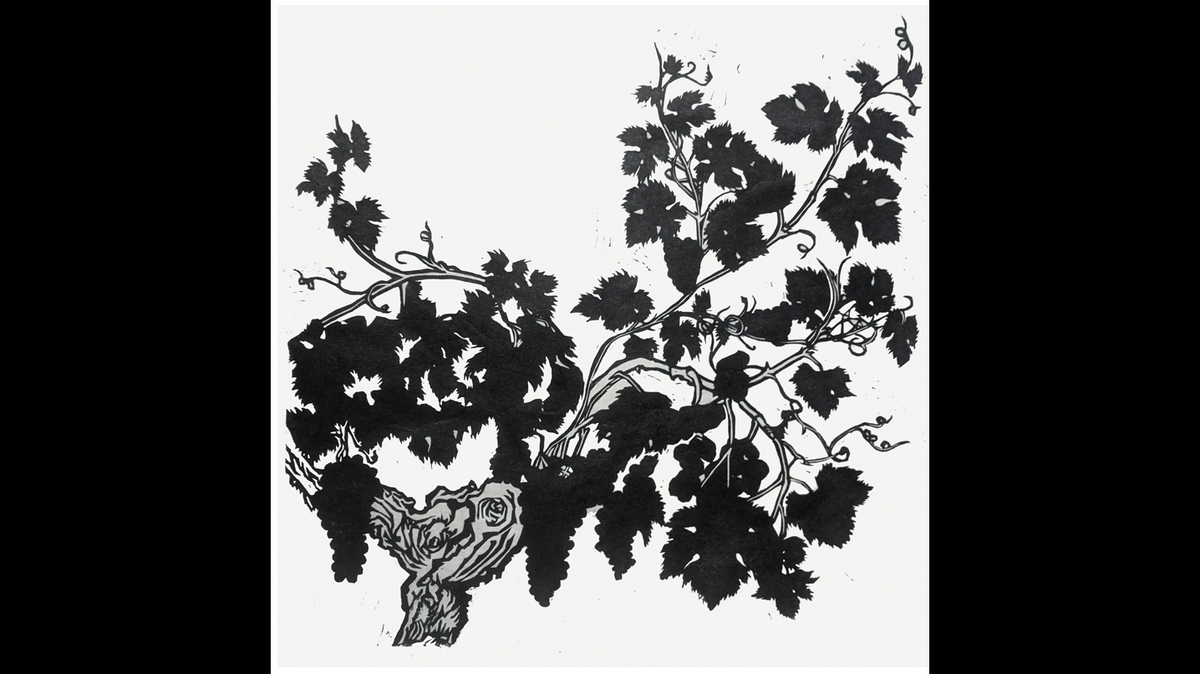
Art surrounds us especially at this time of year. The colors, the sounds, the aromas, the lights, the music, the images — it’s the season of art that is woven into our daily lives and helps elevate our thinking and our moods.
Yes, it’s part of the marketing of the holidays, but it also reflects an essential role of art that is part of our lives — just as it should be. It’s about feeling. We forget the hidden power of art to create, attract and instill.
I’ve been working with an illustrator, Patricia Wakida, for the past two years for a new book, “Secret Harvests,” which will be published in February. The forthcoming book is about a “lost aunt” separated from our family for 70 years. It’s about family secrets. Over 30 illustrations accompany the chapters and help to convey the meaning and the emotions that I, my family, and hopefully the reader, carries as we engage with this personal story. I believe each art piece expands the relationship of the reader with my words.
One particular drawing (the illustrations are actually block prints) shows and not just tells the story: a wandering grape vine. The vine canes twist and bend like my family’s history of working the fields. From the drought of the Great Depression to the twisted trunk of internment of my family during World War II because they wore the wrong face, each tendril seems to reach for meaning — the resilience of family farms weathering decades of nature and human nature.
A sense of history is woven into the 100-year-old vines in front of our farm house. They still grow and produce, albeit a smaller crop. But the true meaning is in the flavor of history, just like the illustration tries to capture.
The rendering is not about a realistic photographic image. It is not a snapshot of time captured — just as my writing is not like a journalist’s work with only the the facts. This is a story of unknowns and an exploration of hidden emotions and untold memories. The illustration, if it works, is the lens of the artist advancing the feeling of a family tale.
Does Patricia see grape leaves differently than me? Yes. Her Japanese wood-block style is part of her family heritage. Stark black-and-white lines contrast each other and suddenly the white spaces convey meaning. In many ways, my family’s story as immigrants and struggle against racism and poverty lies deep in the dark leaves. The silhouette of the grape bunches may not be noticed at first, part of the invisible legacy of farm workers harvesting the foods we eat, the foods that feed our souls.
The artwork creates a subtle, almost hidden story beyond words. Like a good film or musical score, a simple illustration can carry a different rhythm and cadence, a way to explore a seemingly everyday object, a grape vine, and place it into our everyday life. I find comfort in the world of art enveloping us.
For example, our current photographic selfies tell a story of what we pay attention to. It’s like stepping into a shopping mall and being almost overwhelmed by the holiday colors. Or the alluring aroma of a warm bakery or a family kitchen on a cold winter day that triggers something in us that we like and find pleasure in. Art can be about meaning.
The best art helps us acquire meaning. More than documentation and interpretation, art is simultaneously about information, memory and emotions. It’s about sharing.
We consume art daily and art consumes us. Certainly, the business of marketing and advertising is embedded in our everyday life on the internet and in phone messages, texts and shared photographs. We now carry music and sounds and film with us in our pockets and handbags and backpacks. It’s about engagement through arts.
I do worry we can become isolated, and that’s not what art is about. Relationships lie at the heart of art. I find the art of nature in my daily walks and work in my orchards and yes, of course, in those grapevines with the wandering canes and twisted tendrils.
I’ve found the best illustrations blend the joy of life with what’s often incomplete and unfinished. That’s where I want to belong — more to live for and see, feel, touch, smell and taste. And through a simple grape vine drawing, explore life.