
How to help low-to-middle income Valley residents get electric vehicles? Pass Prop. 30
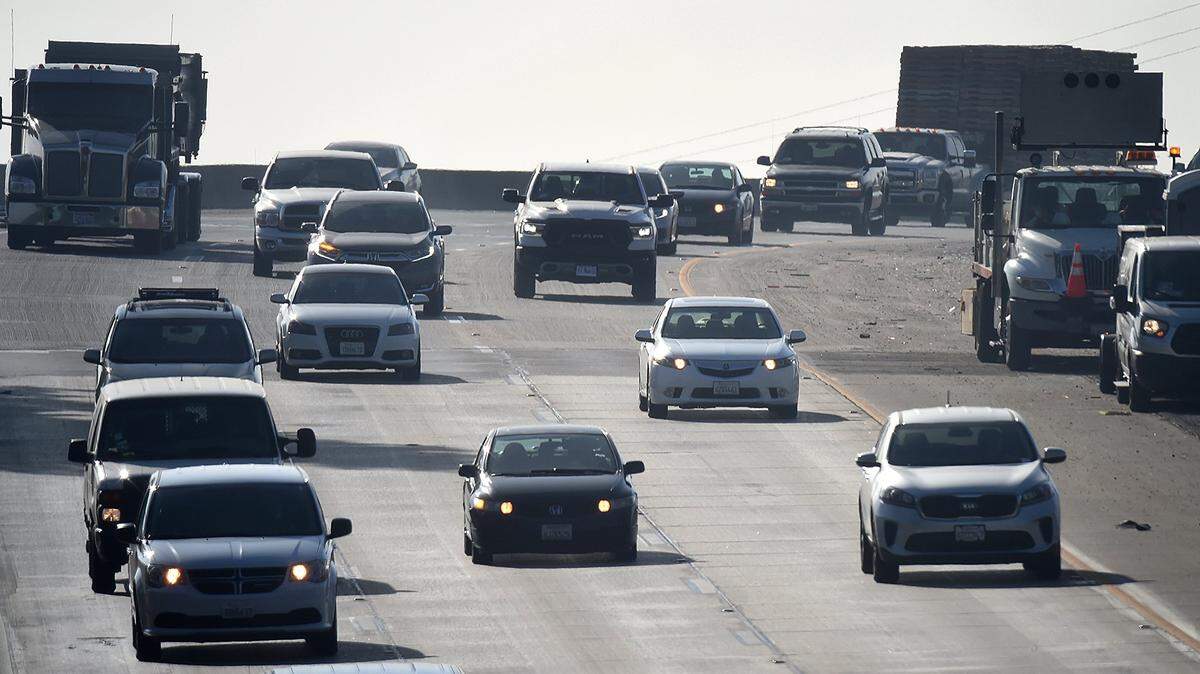
The wells are dry and the fields barren. Wildfires and the charred remains of dead crops have filled the air with toxic smoke. The lucky few have retreated to their clean air safe rooms.
This isn’t science fiction; it’s just another day living in Fresno with climate change and the nation’s dirtiest air.
For the last few years, climate change has been squeezing us from every side. Drought, extreme heat and air pollution are laying waste to this valley’s lifeblood — agriculture. The more orchards and vineyards are lost to drought, the more vegetation is set ablaze and the worse air pollution becomes, driving climate change, which in turn means more severe droughts and fires that release even more carbon pollution into our air. On and on it goes.
We’re trapped in a vicious cycle that’s killing us and our economy.
Roughly one in four children in the San Joaquin Valley has asthma — one of the highest rates in the nation, with over 80,000 kids (and more than 280,000 adults) afflicted. With the air so bad, our kids are ending up in the emergency room because of asthma at nearly twice the statewide rate.
If our air quality were better, more than 4,000 of our friends and loved ones would not have died from COVID. As we saw throughout the pandemic, it’s Black and Latino communities that got hit the hardest. Latinos and low-income families were 51% more likely to die after getting COVID.
Our doctors tell us to stay inside when the air is bad and to not even turn on the air conditioning because it draws in the bad air. But those of us who work outside to put food on the table don’t have that luxury, so we get sick.
How much more can we take? What can we do?
The science is clear: Transportation is by far the biggest source of emissions in California, so our best hope to slow climate change and clean our air is to cut fossil fuels entirely out of our transportation system as soon as possible.
Getting to 100% zero-emission vehicles (ZEVs) could slash transportation emissions in California by as much as 70% by 2035, which is why state officials are banning the sale of new gas-powered vehicles.
But new cars are expensive and it’s not realistic to expect everyone — especially low-income families — to buy a ZEV. Luckily, this November, Proposition 30 offers a lifeline to the San Joaquin Valley.
Proposition 30 will generate roughly $4.5 billion a year to jumpstart California’s transition to ZEVs and fight and prevent wildfires.
With rebates to help low- and middle-income families buy ZEVs and dramatically expand the state’s charging infrastructure, Proposition 30 will make widespread ZEV adoption a reality by making them both affordable and convenient.
Because of how Proposition 30 is designed, Fresno will see enormous benefits if it passes.
Proposition 30 increases taxes for California’s mega-rich — those with personal income over $2 million a year — and directs those resources to where they will have the biggest impact: hardworking families who live in neighborhoods with the poorest air quality like Fresno and who would otherwise be unable to purchase a clean car.
We live in a super-heated valley that traps air pollution. Our health, our livelihoods, and our very way of life are at risk. Every fossil-fuel-powered car taken off the road means cleaner air for our lungs and less climate change.
We’ve all seen that gray polluted haze over the valley, felt that burning in our chests, and wondered how long our crops can go without water. If climate change and pollution get any worse, our lungs and our land may not be able to take it. What then? How will we provide for our families?
If we want a future in this valley, we need to pass Prop 30. Vote Yes on 30 this November.