
Fresno mother lost her son due to his mental illness. Now she helps others avoid same fate
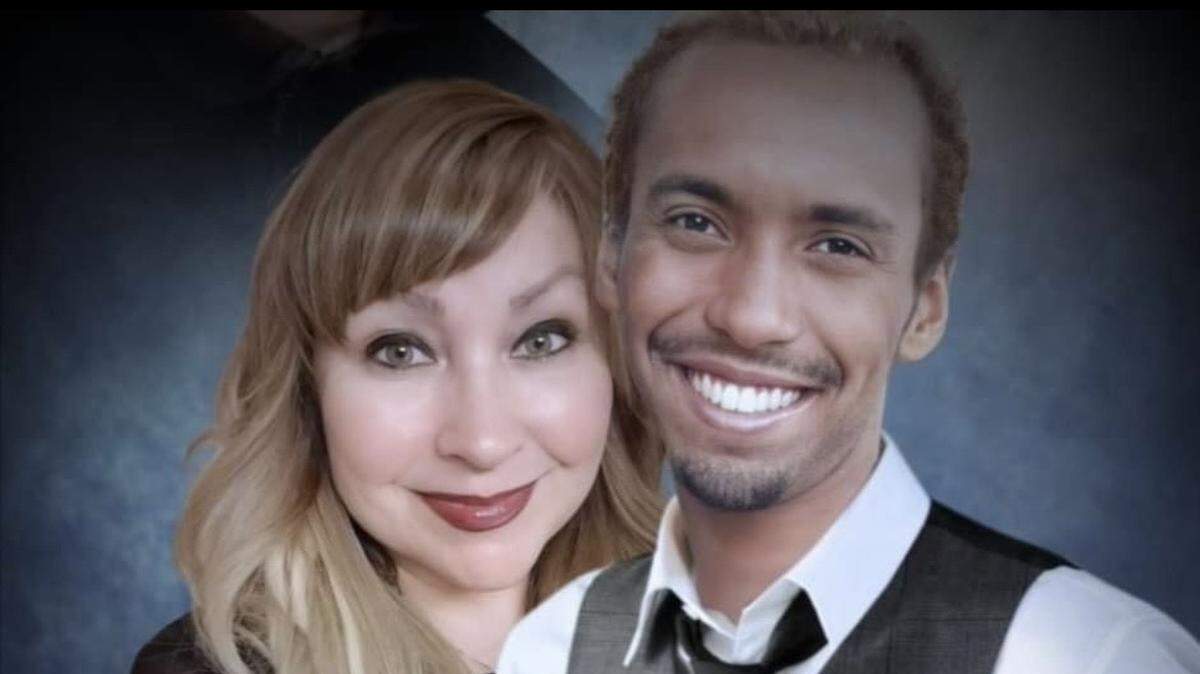
My son was a wonderful boy. He was bright, funny, kind and loving. I wish you could know him the way I did.
Like many young people, Dajon started experiencing mental health issues in his teens. Diagnosed with schizophrenia and substance use disorder at 18, he spent six years in and out of mental health facilities. Dajon stopped taking his medication and his behavior became more erratic, alarming and harmful.
For years, I worked toward getting him admitted to a psychiatric facility here in California under a Lanterman-Petris-Short (LPS) Act conservatorship. In 2018, he was finally admitted to get care he desperately needed. His psychiatrist recommended a one-year hold.
Two months into his treatment, my son’s mental health and future life was undone in an instant by a judge. A hearing was called to establish whether Dajon was a danger to himself or others, and the judge based her decision to release him on the fact that Dajon presented well in court. I was powerless to prevent it. The psychiatrists knew Dajon needed help, but our laws were designed to let him out.
Dajon and I were close, but our relationship deteriorated as his mental health worsened. He hated me for wanting him to stay in a facility. Though I continued to provide almost daily assistance, cooking, and cleaning, he often refused to see me. When I dropped off groceries at an apartment I secured for him, I’d later find them spoiled on the ground. I asked his roommate to help put the groceries away so he had something to eat.
The police were called to Dajon’s home for reasons ranging from him wandering outside without clothes to sometimes violent episodes. When taken into custody, Dajon was always medicated and released. He always knew to say “no” when asked if he was a danger to himself or others.
My family lived a nightmare, daily expecting the worst. Less than a year after being discharged, Dajon died at 24, struck by a train at approximately 4:30 in the morning. I was devastated.
As a woman of faith, I felt a calling to advocate for young people like Dajon. As a mental health professional, I wanted to share my experience with other parents enduring similar journeys. Dajon was a wonderful son; I wanted to make sure his passing was not in vain.
There are several things that parents — as well as other family members, friends, and educators — should know if they believe a child is undergoing a similar crisis.
First, stay attuned to signs your child is experiencing a mental health challenge. Always socially outgoing, Dajon suddenly struggled to connect. He began isolating, sleeping more, sometimes staying in bed for days. He began using marijuana, I believe to numb the pain he felt. He went from happy to irritable and abusive very quickly.
Second, stigma can kill. Dajon kept his symptoms secret. Outwardly upbeat, he silently carried burdens like depression, anxiety, and the scars of childhood sexual abuse. As schizophrenia took hold, he heard voices. Dajon dealt with his pain on his own, thinking it would eventually go away. It didn’t. After he died, I found a letter in which he wrote he was “slipping away.” I know he didn’t tell me because he must have been ashamed.
Third, when you realize your child is in crisis, neither of you can afford to feel shame; quickly get help. Get to a support group. Be around others who are experiencing similar things and have strategies that could work for your family. If you’re a caregiver, it’s important to connect with groups like The Jed Foundation and NAMI; had I known about their resources, it could have made a difference.
Fourth, advocate for the changing of the laws governing mental illness. The 1972 LPS Act regulates involuntary commitment in California, and is similar to laws prompted by deinstitutionalization efforts nationwide. Though well-intended, these laws led to many treatment facility closures without providing adequate alternatives, putting those with severe mental illness at significant risk for homelessness and incarceration. Those laws must be changed to provide a safety net for young people like Dajon;a California bill shows how that might be done. If you do not have a child experiencing a mental health crisis, we need allies to help change laws that can be a death sentence for many undergoing mental health crises.
Finally, become an advocate. Because the laws where you live will likely prevent you from taking action to protect your adult child, take action to establish power of attorney in case their mental health crisis worsens. Not having power of attorney meant I had no legal standing to act on Dajon’s behalf or get around the laws when they failed him.
I want you to see who Dajon was, to know him as I did. Before his illness, he was a special kid, as full of life and love as your child. Through our experience, I learned that what happened to Dajon can happen to anyone. It can happen to you. To underscore that fact, and to draw attention to the need to do all that we can to help young people with mental illness and improve statewide mental health care, the Fresno City Council has designated Oct. 13 as Dajon Reed Day in the city.
Now, I can only fight in his memory and try to help others. If you suspect your teenage child is experiencing a mental health issue, be extra vigilant. If you see behavior changes, drug abuse, suicidal ideas, violence, or self-harm, don’t wait. Get help immediately. Become an advocate for your child and for changing the laws that will prevent your child from getting the help they need. Most importantly, never give up.