New federal effort could better protect Sierra communities from extreme fires, floods
California is home to some of the nation’s most beautiful communities. Whether you reside in one of our state’s magnificent urban settings like San Francisco, in a coastal community adjacent to the Pacific Ocean, or near one of our many world-class national or state parks, our state has it all.
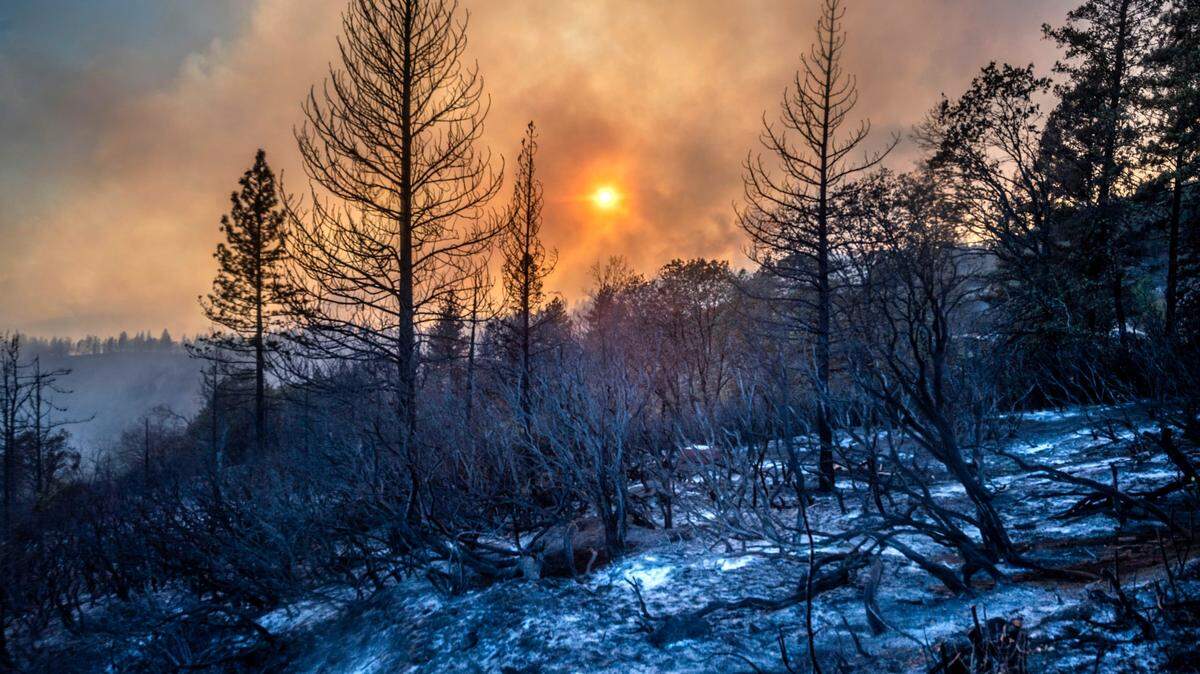
But communities throughout California continue to experience the devastating impacts of wildfires and other disasters that have disrupted families, businesses, and communities. In a state with a population of nearly 40 million, an increased number of our residents are subject not only to wildfire events, but other costly disasters, including flooding and serve storms.
According to the National Oceanic and Atmospheric Administration, in just the past 20 years, California has experienced 32 disasters where damage and associated costs exceeded $1 billion each. Cumulatively these disasters have cost taxpayers more than $50 billion. As the county supervisor who represents the gateway to Yosemite National Park, and a significant portion of it as well, I have seen firsthand the impacts these costly disasters are having on local communities.
But there is an opportunity pending in Congress that will begin to address these challenges. A bipartisan group of members from both the Senate and House of Representatives have introduced the National Climate Adaptation and Resilience Strategy Act (NCARS).
The goal of NCARS is to coordinate and streamline federal resilience and planning efforts to better prepare the country, states, and localities for extreme weather and disasters. It will breakdown unnecessary federal agency silos by creating a chief resilience officer within the White House to improve coordination of federal resilience efforts.
This effort has earned the support of the U.S. Chamber of Commerce, the Nature Conservancy, and hundreds of other national and local organizations, including more than 25 here in California.
The legislation will also identify federal barriers to enhancing climate resilience efforts and work to advance much needed solutions to ensure our most vulnerable communities are supported. Importantly for our local communities, it requires the creation of a partners council, a diverse set of stakeholders — including state and local governments, the private sector, and others — that will provide input into the important resilience planning and implementation process.
As a county supervisor who served on the state’s Tree Mortality Task Force, I understand and appreciate how critical it is to have local voices included when solutions are discussed, planned, and implemented. NCARS will help address the gap between local community efforts and what is being done at the federal level to address disaster preparedness.
I applaud the efforts being undertaken by the bipartisan group of lawmakers to address this critical issue. Whether it’s wildfires in California, flooding along the Gulf Coast, or severe storms in the Midwest, each of us is paying a high price. It is time for Congress to pass the National Climate Adaptation and Resilience Strategy Act.