
California’s water rights need to be upheld, but must adapt to meet new challenges
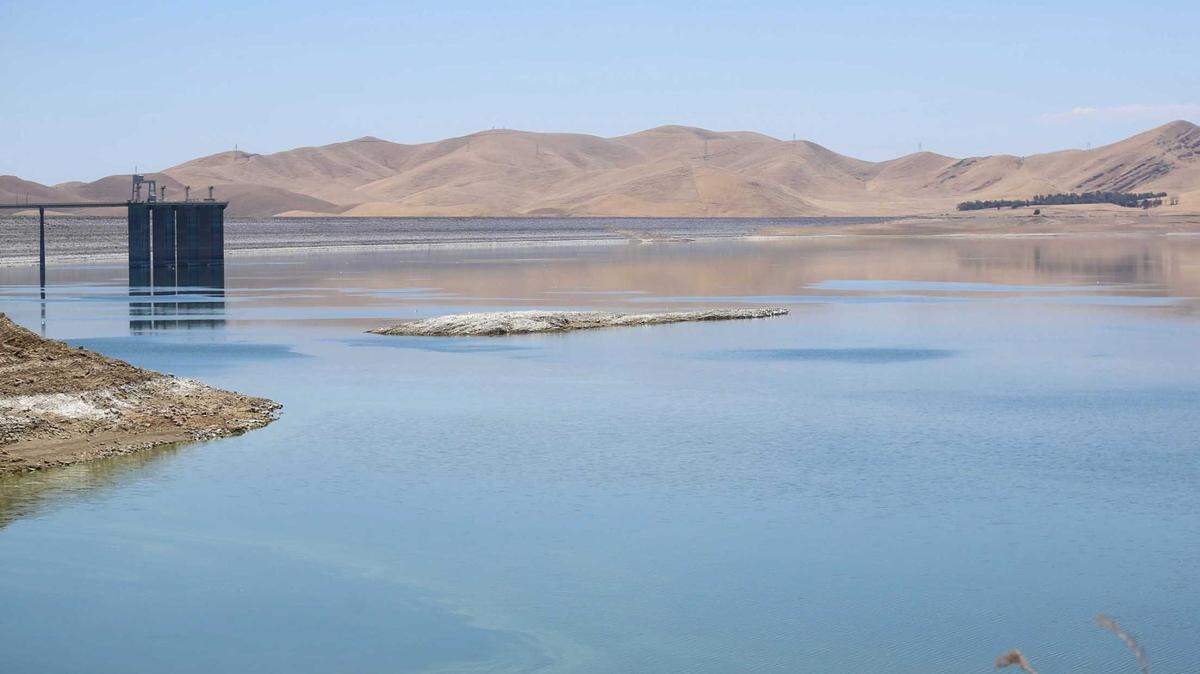
The drought conditions in California are putting a severe strain on families and critical workers throughout our state. Many water districts have already imposed restrictions on personal water use, and there are likely mandatory statewide cuts in the near future.
As the state senator representing much of the Central Valley, the agricultural capital of California and the United States, I am keenly aware that the ongoing drought and decreased water allocations are causing intense hardship for my constituents. Our agricultural community quite simply needs consistent, reliable water sources to survive. This includes everyone from farm workers facing reduced hours, to the grocers who were already operating on tight margins, to the consumers facing higher prices to feed their families.
Scarcity is already causing conflict and litigation relating to our system for supplying water throughout the state.
Since California joined the union more than 170 years ago, countless agreements between the state and federal governments, water districts, municipalities, energy providers, family-owned farms and individuals have established the system of water rights and allocations that we have today. One of the most impactful of these agreements for my district and the state was the Central Valley Project in the 1930s. The resulting series of dams and canals allowed for water storage and distribution to the Central Valley, which made the region into what it is today.This was made possible by what is known as the Exchange Contract, an agreement between the federal government and farmers on the west side of the Valley to substitute their water rights for new sources in exchange for allowing the government to divert upstream water flows upon which they had previously relied.
Today, the water allocation provided through the Exchange Contract is not only used for agriculture, but is also conveyed to multiple local agencies, family owned farms, wildlife refuges, and disadvantaged communities.
We have faced droughts before, but the increasing impacts of climate change have strained our current system and put us at a tipping point. The San Joaquin Valley is facing decreased water allocations, with many users receiving 0% of their annual allocation in certain years. The drought is also having environmental impacts that need to be addressed, and of course cuts to individual water use are placing a burden on residents throughout the state.
The decisions we make today need to address the current crisis and prepare us for a more arid future. That means major public infrastructure investments to store and distribute water throughout the state. It means making better use of the infrastructure we have, like investing in technology to better operate our existing series of canals, manage water flows, and eliminate wasteful spills. And it means providing resources to help farmers invest in technologies like drip irrigation and high-efficiency micro sprinkler irrigation, while also creating incentives for residents to make their homes more efficient.
The ongoing impacts of this issue require that we act with a sense of urgency, but we also need to ensure that the actions we take do not have unintended consequences for those who are already suffering the most.
I do not believe that it is wise nor realistic to upend the system of water rights throughout the state as some have been calling for in recent months. The people in my district who would be the most impacted by such a decision are those most in need of our help, including the farmworkers and the disadvantaged communities who rely on water distributions from state and federal sources. Doing so could also hurt our long-term environmental goals by creating a protracted fight that would delay restoration efforts and other important sustainability projects.
Instead, we need to adapt the system of water rights that exists today to address today’s challenges. The Central Valley Project started almost 100 years ago and made California the place it is today. Now is the time for us to come together once again and make the tough decisions to prepare California for the next 100 years.