State water board must move faster to get needed water to disadvantaged communities
The Fresno Bee Editorial Board recently published a commentary critical of the California Water Resources Control Board, prompted by the State Auditor’s report that determined the board “demonstrated a lack of urgency” to fix failing water systems — two-thirds of which are in poor, disadvantaged communities.
And, most of those communities are in the Central Valley.
The hard-hitting report, released by acting State Auditor Michael Tilden, brought public attention to the alarming scope of the problem regarding troubling delays in the water board’s application process. As a result, these delays prolong the time people in these communities suffer from unsafe drinking water, stretching into years in the worst cases.
Tilden wrote that nearly 1 million Californians face possible long-term health issues, including cancer, because of this crisis.
This is unacceptable.
I am open to working on solutions to cut through this red tape. For example, the Legislature can consider expanding the water board’s staff to trim the process time. This is crucial when you consider the report said more than 370 systems are failing, and the process time — including application completion and funds received — has jumped from 17 months to 33 months.
The Legislature also has the capacity of oversight to ensure the auditor’s recommendations are implemented to improve efficiency in technical assistance.
The report’s recommendations include legislators amending state laws to ensure accountability, thereby revising the process to expedite applications and grant funding as well as undertake better monitoring of technical assistance providers who contract with the board.
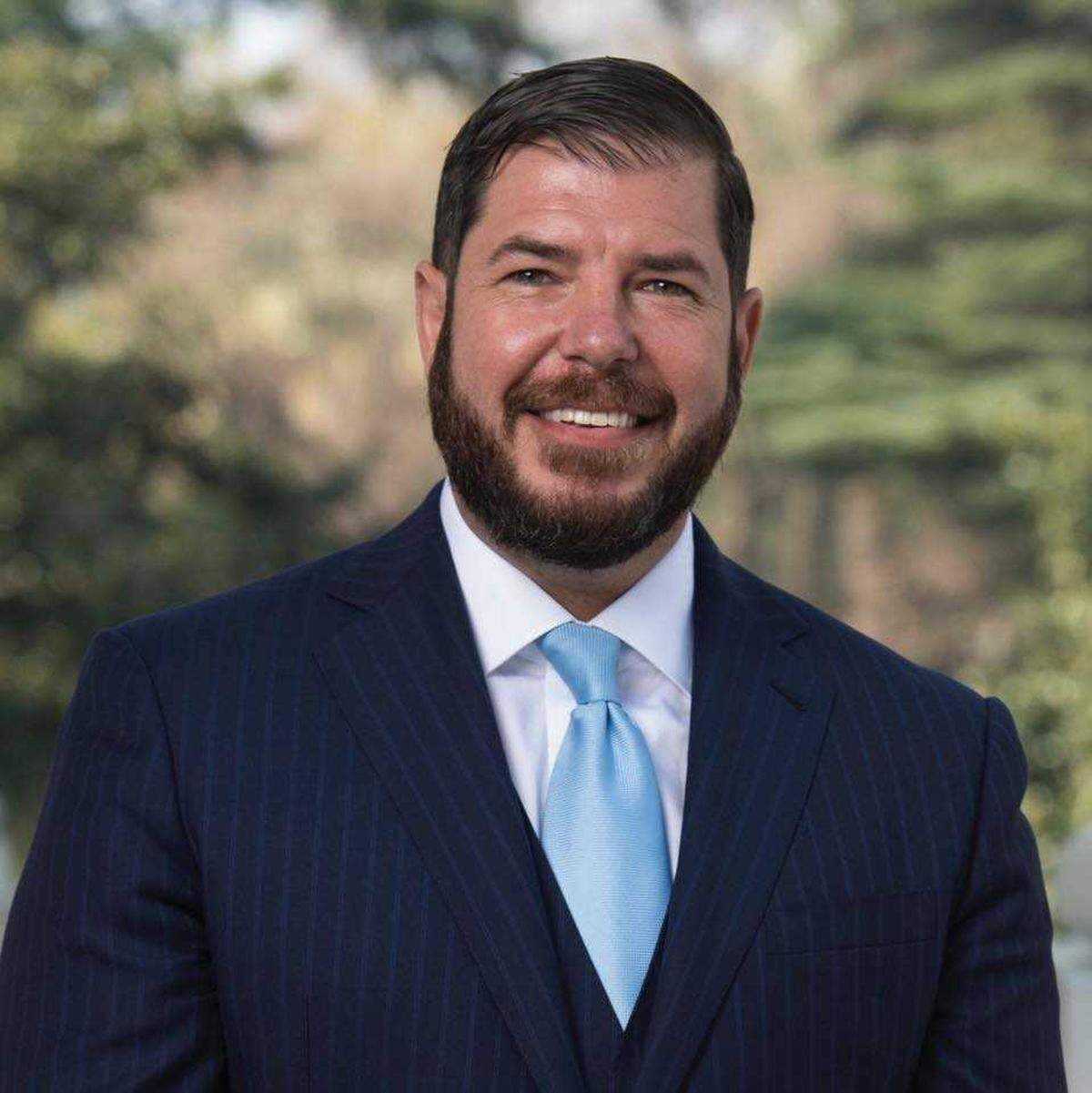
As the 31st Assembly District representative and an emergency room doctor serving in the Central Valley, I am deeply concerned about any health issues that imperil our marginalized communities. As chair of Assembly Subcommittee No. 1 overseeing health and human services, I’ve successfully championed many programs and projects to increase access to health services.
In this case, the slow pace of process should not block basic services from getting to people. It’s why this year I authored Assembly Bill 2895, which would allow the water board to be more proactive by modernizing and streamlining the water transfer petition process. The bill currently is under consideration in the Legislature.
In 2021, Gov. Newsom signed Senate Bill 403, introduced by state Sen. Lena Gonzalez (D-Long Beach), which I co-authored, that allows the water board to consolidate water systems that are at risk of failing. By doing so, timely implementation of process can prevent unsafe drinking water from being a consequence.
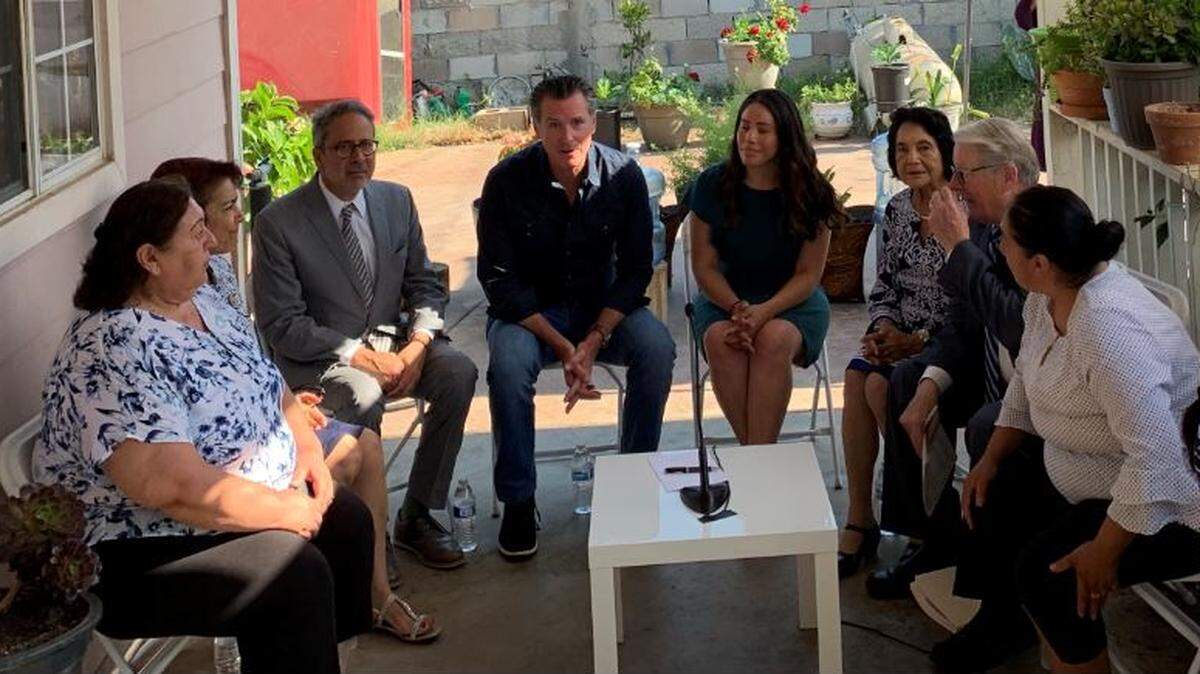
In 2019, I supported Senate Bill 200, which established the Safe and Affordable Drinking Water Fund. Gov. Newsom signed that bill into law during a visit to Fresno County’s Tombstone Territory near Sanger, which lacked access to safe water. That area is on track to see its project completed next June through a different state agency.
I also can tell you that the state has made huge investments to address unsafe drinking water issues. This year’s budget includes $400 million in funds for clean water and drinking water projects. And, in 2021, the state allocated $650 million for drinking water projects; $650 million for wastewater projects; and $85 million for groundwater cleanup and water recycling.
In the past five years, the water board has issued $1.7 billion in grants and loans to address unsafe drinking water problems. In the past three years, it’s reduced the number of Californians dealing with unsafe water from 1.6 million to 934,000.
But, clearly, we need to do more to help families and individuals who live each day in worry and dread of unsafe water.
I continue to maintain that the health of each of us depends on the health of all of us. Access to clean, safe water is a fundamental right and crucial to good health.
We must do better.