
Congress must act to stop illegal pot grows from polluting national forests in Sierra
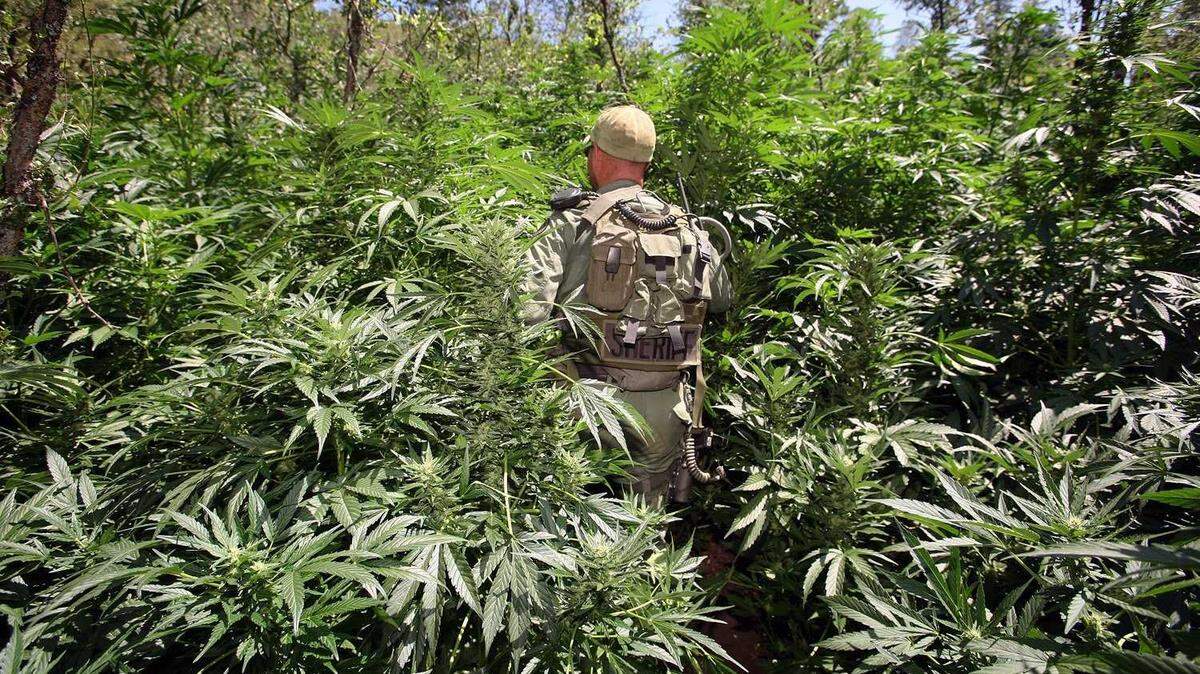
Today there are thousands of cartel-controlled marijuana trespass plantings (grows) that are polluting California’s public lands and making many places we love to visit potentially dangerous. These operations have increased throughout California, including in the Sierra foothills and in our national forests where major cannabis farms have been discovered and reclaimed.
Local rivers, including the San Joaquin, flow from these public lands, and are the lifeblood for communities, agriculture and wildlife.
While many hoped that the legalization of cannabis would curb destructive trespass marijuana growing on our public lands, the unfortunate truth is that it has not. These dangerous operations continue to poison our forests and waters, and are now spilling onto private lands.
Trespass marijuana grows have devastating impacts. Cartel operators routinely cut trees, remove stream-side vegetation critical to many species of wildlife, and routinely use deadly and illegal pesticides, such as carbofuran, that contaminate both soil and water.
We all know how critical our water is in the Central Valley, especially during drought. Water for residential use and agriculture, an integral part of our economy, is increasingly threatened by cartel operations that divert and pollute water upstream of our farmers and residents. Statewide, it is estimated that trespass grows consume enough water to supply a town of 50,000 people for an entire year.
Moreover we now know that these trespass operations have been the cause of major wildfires throughout California. According to research done by the Cannabis Removal on Public Lands Project, trespass grows have burned a bare minimum of 285,000 acres (over 445 square miles) on California’s public lands, which have cost billions to suppress.
In addition to causing fires, trespass grow operations endanger firefighters, with many incidents of firefighters burned and being confronted by armed growers, who often set booby traps, weaponize pesticides, and leave explosive ammunition to deter firefighters and law enforcement.
Law enforcement officials commonly find banned and deadly pesticides like carbofuran, which impairs the nervous system and often causes death. Cartel operators use these pesticides to kill and prevent local wildlife from damaging their crop. One quarter of a teaspoon of carbofuran is enough to kill a 600-pound bear.
Those deadly pesticides do not stay in place; there is clear evidence of those chemicals going into public waters that connect to community water systems. The accelerating expansion of cartel marijuana grows on Central Valley lands presents a clear and present danger to public water supplies.
Our law enforcement on our public lands is outmanned and outgunned. On California’s 20 million acres of national forests, current staffing levels have only one officer responsible for protecting a minimum of 250,000 acres from these dangerous operations — in addition to their other duties.
If we are going to protect California’s public lands from the destruction of trespass grows, the federal government must increase its prevention and reclamation efforts. We can no longer accept that the Forest Service and Bureau of Land Management remain woefully understaffed to prevent or even clean up after trespass operations.
Congress must act to stop this destruction, and hold the cartels responsible. The House of Representatives has voted to approve robust funding for the Forest Service and BLM to address this issue. Now is the time for the Senate to follow suit. We invite other members of Congress to join Rep. Jim Costa, D-Fresno, in urging the Senate to support the full appropriation, and report language addressing trespass grows.
It is time for bold and swift action to protect our land, water, and environment. Our communities are counting on it.