Key to having a healthy forest? Frequent, low-intensity fires that burn at ground level
Once again Chad Hanson in his opinion piece, (Fresno Bee February 16, “Critic finds flaws in UC study on major tree cutting in Sierra”) has distorted facts pertaining to our natural resources of the Sierra Nevada.
However, he does say two things correctly. First that fires burned frequently in the past, and secondly the forests were a mosaic of large and small trees throughout the landscape.
Lightning started fires throughout the past millennium over all of California, especially the Sierra Nevada. The results of those frequent fires were a mosaic of fewer trees, far less undergrowth and minimal fuels available for hot fires. Therefore, historic fires did not burn intensely, but generally were creating fires that stayed on the ground.
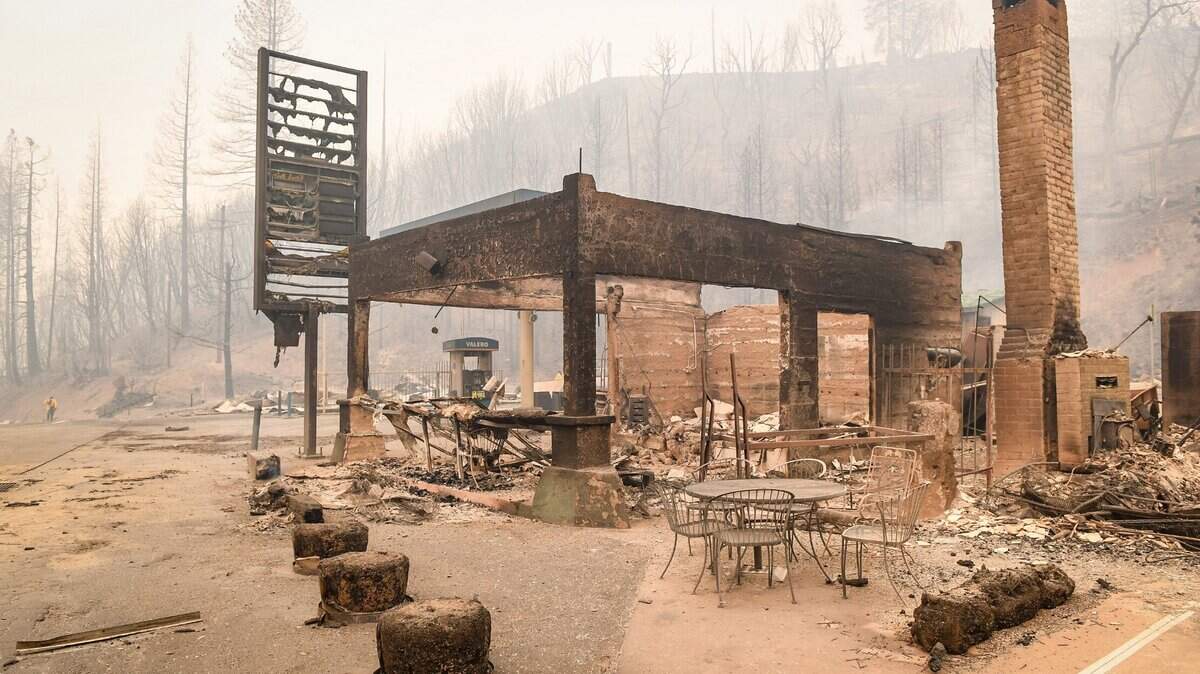
Chad Hanson has only one objective and that is to stop any harvesting by lumber companies. He frequently says that profit is the only motivator of the timber industry. He has used that objective to distort how a natural forest would look without human interference. He advocates both overgrown forests or completely denuded landscapes, such as the 400,000 acres of the Creek Fire.
In fact, active human management is now required to maintain our forests in a natural healthy state. Our extremely overgrown forests have greatly reduced numbers and diversity of wildlife species and obviously increased wildfires, both in size and intensity.
I have proven that active management through both harvesting trees and applying prescribed fire results in a healthy, productive forest, especially for wildlife and fire protection. The examples of management reducing trees and other forest fuels are numerous throughout the West and cannot be disputed. The activists that have stopped any kind of management are responsible for our recent spate of mega fires throughout the West. The proof is really overwhelming and should be recognized, but the environmental and ecosystem deniers have distorted the facts and swayed the public with feel-good rhetoric, which has resulted in the destruction of our beautiful forests of the Sierra Nevada.
Think of all the wildlife species that have no homes because of the Creek Fire. And now those same deniers want to stop the re-establishment of a healthy forest by the Forest Service and local community groups, such as the Central Sierra Resiliency Fund. A healthy forest supports all species of wildlife, including endangered species.