
Fresno Council president: Problems at ports put holiday gifts at risk of late delivery
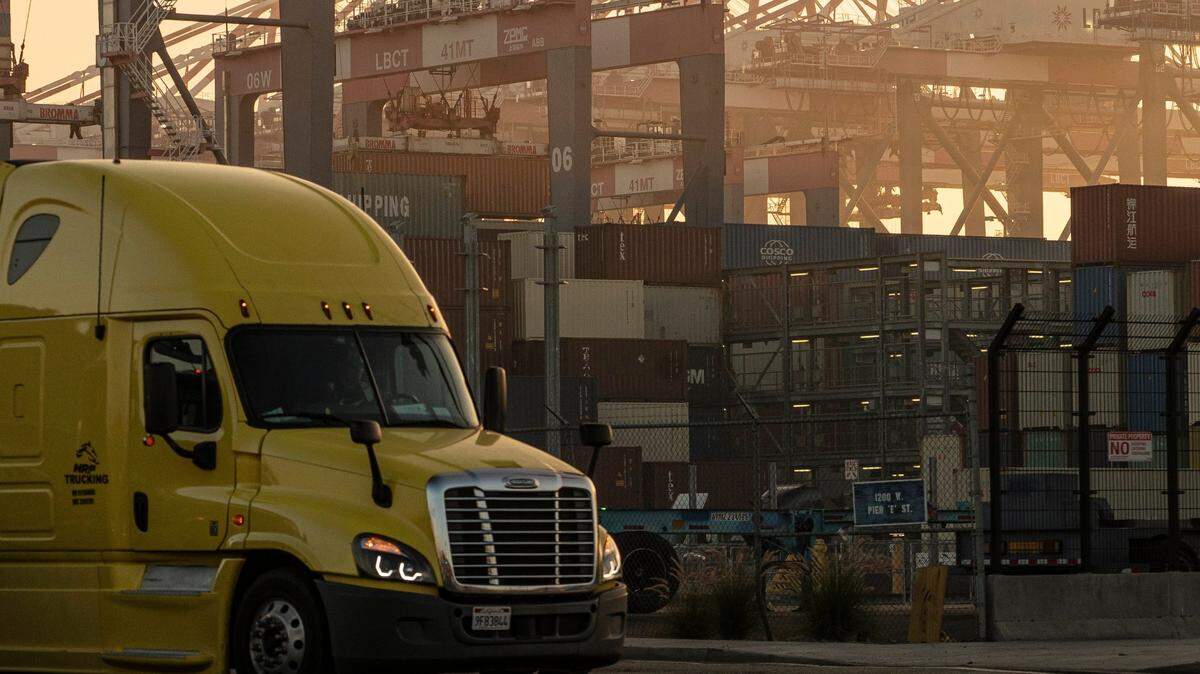
This holiday season, U.S. retailers are planning to hire upward of 900,000 seasonal workers to contend with this year’s predicted shopping surge. However, retail labor shortages pale in comparison to the logistical nightmare currently taking place at the Port of Los Angeles and Port of Long Beach. If elected officials don’t holistically address this supply chain issue, these delays will threaten product sales for American businesses and the possibility of presents under the Christmas tree.
The port complex of Los Angeles and Long Beach contains the two largest ports in the United States, garnering about 40 percent of all shipments because of proximity to Asia. As a result, the current struggle at these ports to receive and process shipments efficiently has had a massive impact on supply chains across the country.
In an effort to provide a solution that will allow cargo ships to dock and unload their shipping containers more efficiently, the state of California, in accordance with President Biden’s recommendation, implemented a 24/7 hour of operation expansion.
While this was a good start, too few hours in the day are not the only contributing factor to this supply chain crisis, and by expanding hours at the ports, several other issues surrounding human capital have emerged, including shortages in truckers and longshoremen.
Nationally, the trucking industry is over 80,000 truckers short of what’s needed to keep up with demand, and this shortage could double by 2030. Here in California, this deficit was already being felt earlier this year by our agricultural industry, which reported a 30 percent drop in drivers.
Shawn Yadon, CEO of the California Trucking Association, has pointed to local California efforts to recruit more female drivers as a possible solution, in addition to advocating for lowering the federal driving age for commercial drivers. However, neither strategy is slated to be implemented quickly enough to ensure products are delivered on time for the holidays.
Thankfully, California Gov. Gavin Newsom has stepped up and recently announced the California Department of Motor Vehicles (DMV) will double its capacity to conduct commercial driving tests in the coming months in an effort to tackle the commercial truck driver shortage and keep goods moving in and out of our state’s largest ports.
To increase the efficiency with which ports service truckers and decrease the time trucks spend waiting to obtain or drop off cargo, state officials must also improve the training rate of longshoremen. Longshoremen handle the loading and unloading of containers from ships as they enter the port. However, in recent years, the number of people willing to take the certification classes necessary for this job has declined.
Additionally, empty cargo containers are taking up critical space at the ports, adding to supply chain challenges. The problem has gotten so bad that containers are being abandoned in neighboring areas, leading to local police issuing over 400 citations for the illegally parked boxes. Newsom has mobilized the Department of General Services to identify state-owned properties in close proximity to the ports to provide additional space for cargo, which would free up space inside the port to unload additional cargo ships. However, the Governor has set a December 15th deadline for the property review, making it unlikely the actions will help holiday supply issues unless this process can be expedited.
The pandemic created a perfect storm leading to the current issues afflicting the port system, but given the rise in e-commerce and a growing global supply chain, elected officials should use this situation as an opportunity to expand infrastructure and streamline processes. Investing in a larger, more experienced workforce and improving structural efficiency will only add to the resiliency of the United States supply chain network and ensure Americans can receive their holiday gifts on time for years to come.