
Farm to School meals outreach helps Valley children learn nutrition, good eating habits
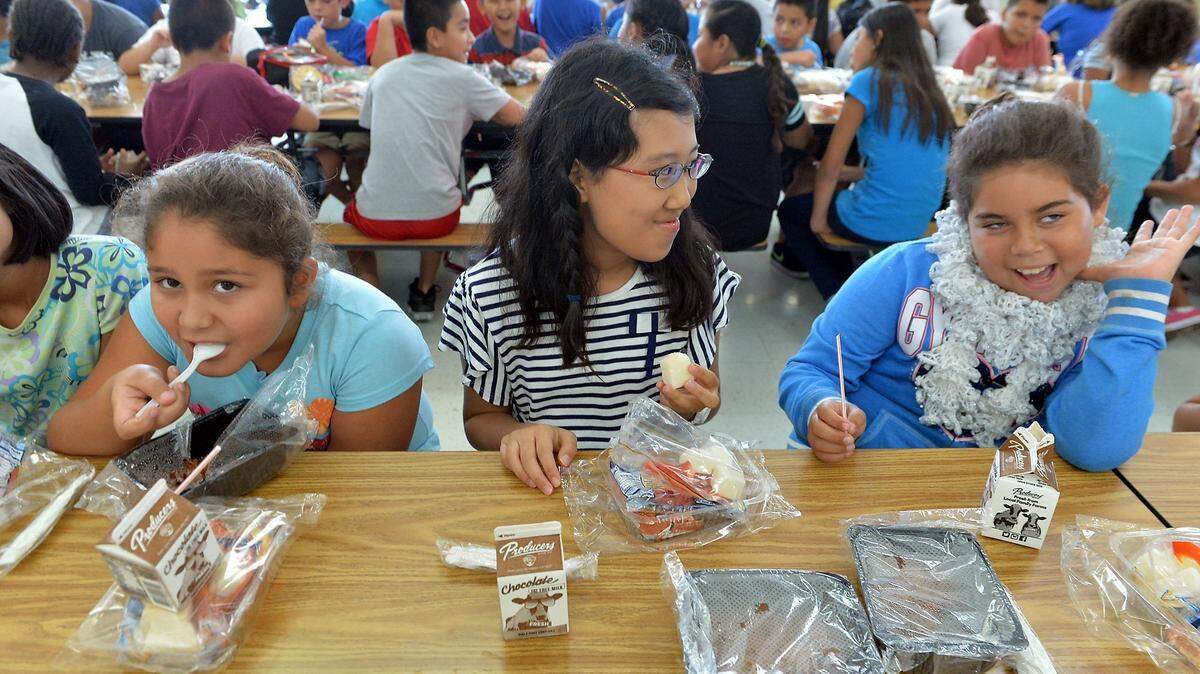
As California leads the nation by becoming the first state to offer free school meals to all children, Gov. Newsom’s recent climate action package will expand the state’s Farm to School program. And while these efforts are good news for ensuring that kids have access to meals, the Farm to School program is about so much more — it’s about nutrition equity and ensuring all children are supported to grow healthfully.
And the timing could not be better. October was Farm to School Month, bringing attention to how supporting such programs can help California achieve nutrition equity. That effort focuses on supporting equitable access to nutritious and culturally appropriate foods to meet individual needs and preferences, and is vital to ensuring people are able to access nutritious foods.
Unfortunately, disparities in access to nutrient-rich, affordable food exist. Food insecurity impacts one in six American children, with many lacking essential nutrients due to underconsumption of fruit, vegetables and dairy food. The Farm to School program can be part of the solution by providing equitable access to healthy foods and nutrition education. Research shows that eating patterns established at an early age influence not only academic and lifelong success, but also food and beverage choices made throughout life, impacting health outcomes such as risk for obesity, hypertension and diabetes in adulthood.
This underscores the significance of free school meals for all children, since such meals feed millions of children each day and provide them with access to nutritious foods needed for health. This is supported by multiyear research by the Journal of the Academy of Nutrition and Dietetics examining the quality of schools meals. The study found that school meals scored higher on the Healthy Eating Index than meals prepared at home or from restaurants. The study determined that the foods many kids eat at school are likely providing more nutrition than the meals they eat outside of school.
California’s Farm to School Incubator Grant Program will provide grants to schools to procure locally grown foods. This program is especially important in underserved communities where school meals provide a critical safety net for nourishing children.
Today more than ever, children need evidence-based nutrition education to combat misinformation — and the Farm to School program includes nutrition education components. Nutrition education is critical because it equips and empowers people to make informed eating decisions and establishes healthy eating patterns for lifelong health, while increasing agricultural literacy and knowledge of how food gets from the farm to the plate.
While the Farm to School program, including its nutrition education components, is critical to supporting healthier children, families and communities, more action is needed. Achieving nutrition equity will require collaboration, advocacy and action to ensure children are supported to grow healthfully. With local, regional, state and national partners working together, along with strong federal food and nutrition assistance programs, nutrition equity can be achieved.
As a nutrition education organization with a legacy of supporting community health, the Dairy Council of California is proud to see Farm to School programs expand to include nutrition education and access to nutritious foods children and families need to be healthy. We invite advocates for healthier children, families and communities to join Let’s Eat Healthy, a movement that supports, educates and empowers healthy eating habits. We believe that all people deserve access to healthy, wholesome and affordable foods, and that by working together, we can make that a reality. Join the movement today at HealthyEating.org/Join.