
Tulare County health expert points to COVID lessons when redistricting poor communities
Recently the U.S. House of Representatives found Steve Bannon in contempt for defying the Jan. 6 subpoena inquiry. This vote meets our collective need for accountability, but focusing on these past assaults on democracy distract us from a redistricting process that will shape our democracy for the next decade. Yet, our redistricting processes cannot return to “business as usual,” it must be informed by the COVID-19 inequities we’ve witnessed to help shape a more equitable future for disadvantaged and underserved communities.
Redistricting is the process that takes place after each decennial census to redraw electoral districts at all levels of government — from local hospital districts and school boards to county board of supervisors and the U.S. House of Representatives. Each district must represent equal population size and comply with the federal Voting Rights Act to protect minority voting rights.
Given that civic participation is linked to public health, I expected our redistricting conversations to be informed by our pandemic experiences. While the pandemic has exposed racism as a known but an unaddressed epidemic and a threat to public health, no one at these meetings mentions how COVID-19 infections, hospitalizations, and deaths have overwhelmed and continue to impact racial/ethnic minorities and agricultural workers. And, most importantly, we aren’t talking about how redistricting might transform the sociopolitical conditions that advance equity.
One place where this conversation could occur is in our discussions of “communities of interest,” (COI) another high-ranking criterion in the redistricting process. COIs are groups, or communities, who share social, cultural, economic, or geographic similarities and would benefit from being kept together. Historically underserved communities have been excluded from the redistricting process and resulted in inadequate representation. However, underserved communities can use data-based equity indicators to define themselves and help maximize their opportunities for adequate representation.
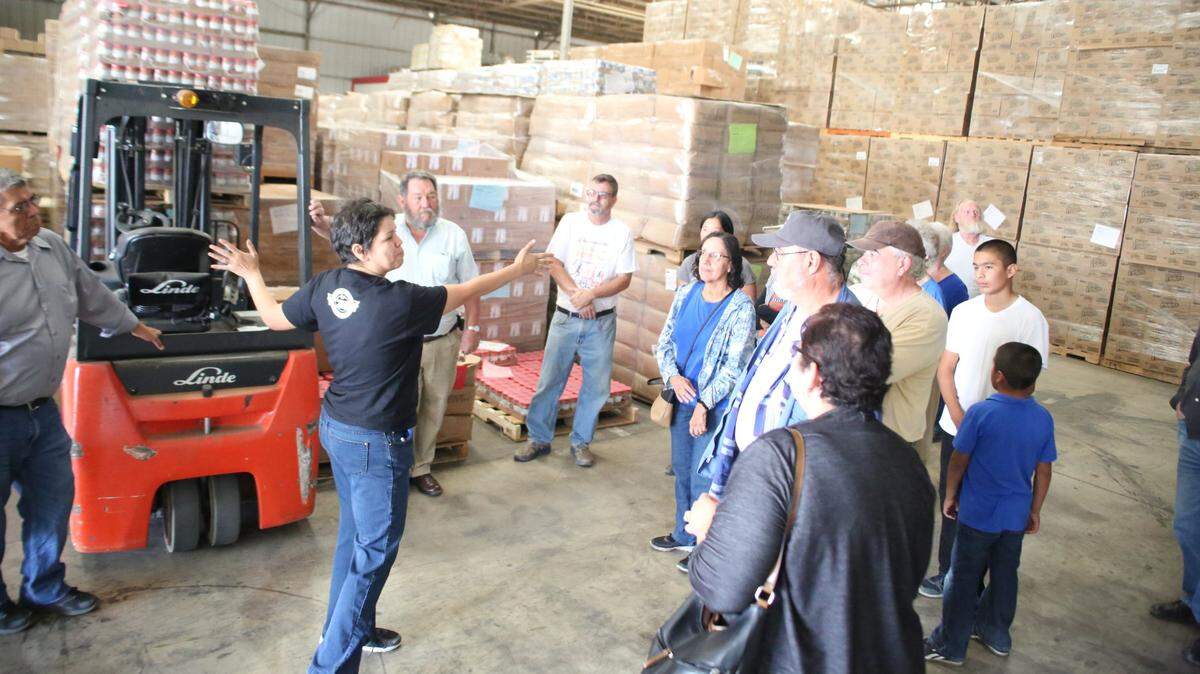
Recently I spoke at a redistricting meeting in Tulare County, where I have worked as a public health epidemiologist, directed our county food bank and where three generations of my family have lived in an unincorporated community. Unincorporated communities in Tulare County and across California face numerous challenges that have existed for decades. And for decades, cities in our districts have outnumbered rural populations or voting-age citizens and dwarfed our needs.
Even within the same district, marginalization and vastly different profiles co-exist. For example, according to the California Healthy Places Index, which uses economic, housing, health care, and environmental data, the census tract for my unincorporated community ranks in the 6.6 percentile, whereas a census tract of an incorporated city in my district ranks at 55.4 percentile.
When I’ve presented health and socioeconomic data to residents of unincorporated communities, they respond with stories of racist encounters and share that our residents are “not wanted,” “not welcome,” or represented. Equity indicator data like these reflect the realities within unincorporated communities of abundant food swamps, disconnected transportation, poor walkability, or unsafe drinking water.
Unincorporated residents are more likely to be seasonally employed, engaged in informal economies, be non-citizens or immigrants who are undercounted and underestimated in census-based data. On the contrary, cities have formal governing bodies with councils and administrators who advocate on their behalf. These political structures don’t exist for unincorporated communities, further increasing their powerlessness and marginalization.
It’s time to help advance equity for underserved and unincorporated communities by keeping them together, as a “community of interest.” To be sure, this approach may elect new officials who represent these impoverished and underserved unincorporated communities, it may divide cities, or require incumbents to compete for their seats. Yet, adhering to decades-long “business as usual” practices or a return to normal that has never been equitable does not advance justice or democracy.
Redistricting for a new normal must center on what we’ve learned from COVID-19 — create new electoral opportunities that advance equity by balancing power, eliminating race and class-based discriminatory practices, promoting equitable representation and helping all communities prepare for future crises.