
Under guise of climate benefit, manure is more valuable than milk at California dairies
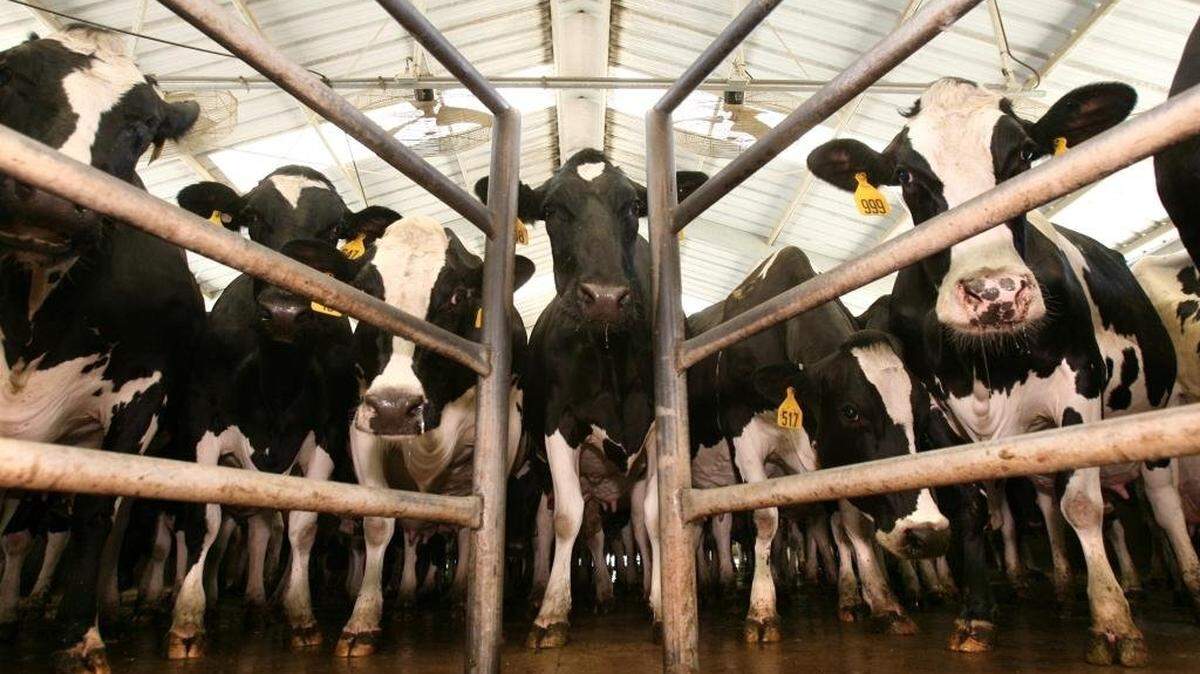
Cow manure is now worth more than milk.
We have California’s pay-to-pollute climate-change response to thank for the misbegotten role now being played by dairies and other concentrated animal-feeding operations.
Profit in “manure and energy is a new dynamic” in the industry, according to Hoard’s Dairyman, the 136-year-old trade journal published by dairy farmers.
Hoard’s reporter Michael McCully estimated in late September that a 3,500-cow operation can earn $350,000 annually from manure methane sales by partnering with an energy company. A dairy that owns its digesters outright can see such profits rise six-fold, surpassing those of milk.
“At that point, milk has become the byproduct of manure production,” McCully observed.
Using anaerobic digester systems, gases from tarped manure lagoons are captured. The methane is separated and piped to energy companies.
Not surprisingly, dairies are quickly adding more cows. Thanks to its digester plans, in 2018 Fresno’s iconic Producers Dairy received permission to double its Bar 20 Ranch’s herd west of Kerman to 20,000 head, a trend spreading across the state and nation. In 2019 the dairy farm received a $3 million matching grant from the state called a “climate investment.” Their project will apparently come further greenwashed with manure-powered electric vehicles.
Digesters worsen local air and water quality by incentivizing such larger, more concentrated herds. Worse still, through the sale of carbon credits on the open market, they now pose a global threat by extending reliance on fossil fuels. The credit scheme has drawn international interest and billions of dollars in backing from major oil corporations, utilities, “green” investors and compliant legislators.
Rooted in a 1980s’ win-win business philosophy to pollution reduction, the system sets an overall pollution budget that’s lowered annually. Polluters buy, sell and trade within this closed, tightening market.
In 2013, California introduced an auction as its pricing system for greenhouse gases. The state air board website explains: “An increasing annual auction reserve (or floor) price for allowances and the reduction in annual allowances creates a steady and sustained carbon price signal to prompt action to reduce GHG emissions.”
That price signal hasn’t arrived as envisioned. Blame legislators. They crafted a cap-and-trade system that is too slow to meet reduction deadlines. Then they cut a loophole in the carbon market the size of a barn door by exempting farms from climate regulation while allowing them to create and sell carbon credits.
Predictably, in response to that specific price signal, dairy herds — and pollution — are growing, including at megadairies and factory-sized hog farms across the country participating in California’s Low Carbon Fuel Standard program.
Through LCFS, methane is sold to supplant diesel fuel use, nominally a good thing if continued use of methane were feasible, but it’s not. Regulators correctly call for rapid reductions in black carbon from diesel and in methane from agriculture, a dangerous pair of super climate pollutants. But they ignore dairies’ acute air and water impacts; increase their other greenhouse gas generating activities; and disregard recent science’s urgent call for faster, steeper reductions than are possible through digesters and credit trading.
And it’s about to get a lot worse.
Despite the Fresno County Board of Supervisors recent attempts to silence discussion of climate change and public health — ironically, two of them are dairymen — President Biden’s Build Back Better legislation will expand this program far and wide, regardless of the bill’s final size, and 4 million people will continue to pay with their health in the growing climate dystopia that is the San Joaquin Valley.
Got manure?