
What’s in the COVID vaccine anyway? Fresno writer investigates and finds the answer
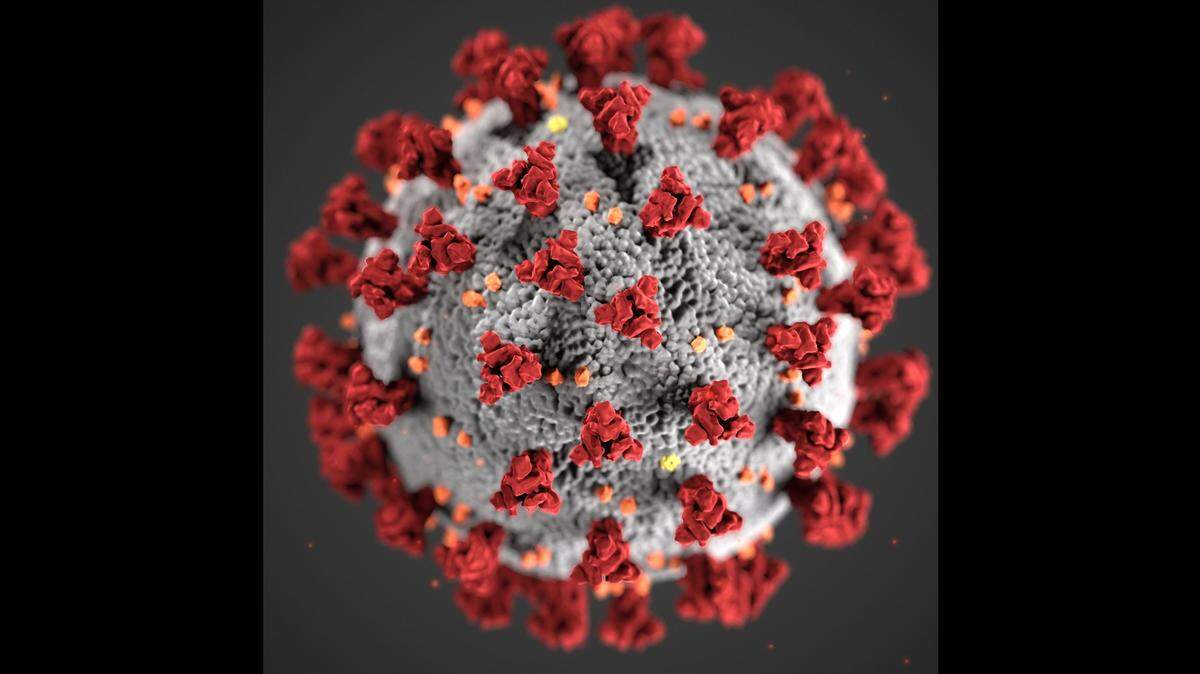
“I don’t know what’s in it,” say some people about their hesitancy or refusal to take a COVID-19 vaccine. Others claim fetal stem cell tissue is involved, or that microchips are being injected. It seems there has not been easily understood broad public information about what’s actually in the vaccines and how they work. What in the world is “mRNA” anyway? The lack of information breeds distrust and conspiracy theories.
Seeking answers, I read Walter Isaacson’s, “The Code Breaker,” which describes the roles of key scientists in the development of gene editing, with focus on UC Berkeley’s Jennifer Doudna. I’m not a scientist or doctor, but my layperson’s take from this easily understood book follows.
Having not previously encountered COVID-19, the body has no pre-existing protective immunity that exists for a virus it has seen before. COVID quickly overwhelms human cells before our immunity starts to develop. Developing too late to prevent a massive virulent infection, our immune system can then grossly overreact, causing more bodily damage.
To create an immunity that will spot, attack and destroy an invading virus before it can mount overwhelming numbers, traditional vaccines inject a weakened live offending virus or a dead one. To achieve polio immunity, Albert Sabin used a weakened polio virus, whereas Jonas Salk used a somewhat safer killed virus. The weakened live virus is used for immunity to measles, mumps, rubella and chicken pox. China’s Sinovac vaccine uses a killed COVID virus.
Understanding mRNA starts with understanding DNA. The double strand of DNA sits in the nucleus of living cells. Located on this strand are discrete genes. The genes contain the instructions for the cell to make bone, muscle, skin, or in the COVID cell, the familiar spikes of the virus. DNA does not leave the nucleus, so how does a gene’s instruction get to the rest of the cell?
Particularly over the last decade, scientists have obtained such a thorough knowledge of DNA that they are able to alter it through gene editing. Gene editing first required a thorough understanding of RNA. RNA is short for “ribonucleic acid,” which includes a biological substance in cells that receives from the gene the gene’s instruction and, as the messenger, carries the instruction out of the nucleus to the manufacturing region of the cell where the cell will then make what the gene instructs. “mRNA” means “messenger RNA.” mRNA carries from a gene of COVID the instruction to create the spikes at its cell wall.
Scientists at BioNTech and Pfizer, and Moderna, were able to isolate the COVID gene containing the instruction to create the spike. They were further able to isolate, segregate and capture just the messenger RNA carrying the spike instruction. Then they placed only this mRNA in a miniscule fatty container that is injected into our arms. When delivered to our cells mRNA instructs them to safely make enough of the COVID spike to trigger our immune system to attack and kill this mysterious invader. Going forward, our immune system will now recognize an invading COVID virus and kill it before it overwhelms. The short-lived fever and discomfort that can follow the second shot is our immune system on the attack against the spike fragment.
There are other techniques. Johnson & Johnson edited into the DNA for a common human virus for colds a COVID gene that causes that virus to create the spikes. Once injected, this modified virus gets into human cells and makes the spikes. AstraZeneca uses an edited common chimp virus.
Another apparently more problematical approach being studied is to get COVID DNA into the nucleus of the human cell, where it can instruct the cell to make spikes from the cell’s own nucleus. mRNA does not have to get DNA into a cell’s nucleus. mRNA only needs to penetrate the outer region of the cell to cause the spike.
Ever since a form of pox infecting cows was discovered in the 1790s to vaccinate against human smallpox, biological vaccines have used a dead or weakened virus to prevent devastating disease. In safely causing a COVID spike fragment, mRNA is in this time-honored line. Fetal stem cell tissue or microchips are not involved.