
UC Merced staffer’s 9/11 memories rekindled as she watches the Taliban return to power
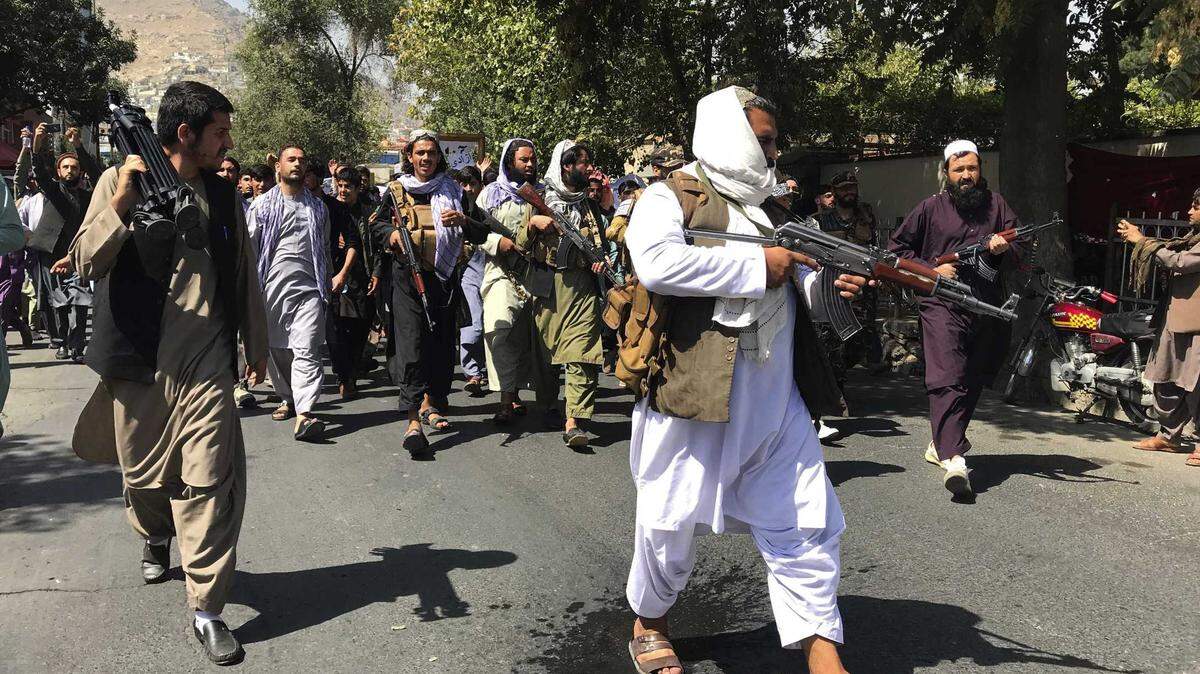
The Taliban has taken Kabul. Since May, the terrorist group’s creeping control over Afghanistan has evoked an unsettling sense of déjá vu.
It feels as though I’m back in my fifth-grade classroom in Turlock. It’s 2001 and the classroom TV, which sits on a wheeled stand, has been rolled to the front of the room. The class is watching the aftermath of the Twin Towers on the screen, shrouded in smoke. I’m trying to make sense of how the world I know — one filled with cow pastures and almond orchards — could feel threatened by an attack seemingly so far away.
There has been no attack on American soil, though as an American who came of age during the War on Terror, the ongoing news of the Taliban’s control is reminiscent of darker days.
Like the New Yorkers fleeing the World Trade Center, I’ve seen Afghans cling to helicopters and airplanes desperate to leave Kabul. People running on the airport’s tarmac, desperate for an exit. Women laying babies down, arching their chests in protection. It was horror unvarnished.
Instead of seeing scenes of my country on a big box TV, I saw a foreign place on my iPhone and laptop. I read reports of Taliban tweets and winced at videos on social media. I didn’t recognize the language or the clothes, or even fully grasp the geography of the country, but I saw the universal language of human aching.
Today’s climate is much different than that of Sept. 11, 2001. Technology has evolved with the advent of the iPhone, presidents have come and gone, our economy has crashed and rebounded, social movements have shaped our culture and we are weathering a global pandemic. And within those years I’ve learned a few things.
My first journalism assignment in New York was to write a story about the 14th anniversary of 9/11. I went to the World Trade Center where I pestered Conde Nast employees on their smoke break, spoke with security guards, watched tourists debate if it was appropriate to take a picture in front of the memorial. It was there that I first understood how paradoxes of the greatest proportion can exist in our life. The space was the nexus of tragedy and trade: an homage to the past and a hope for the future, filled with people working, moving forward, trying to make their way in a world that they know will let them down. Accepting the brokenness around them, picking up the pieces, and trudging on.
In a perverse way, 9/11 and the Taliban taking Afghanistan book-ended my development. At 10 years old I saw what people are capable of. At 30, I accepted the lifelong fight of persistence: persistence in believing that people are inherently good, that what we do each day and how we treat people matters, and that while we can’t take away others’ hurt, we don’t have to cause it.
This story was originally published September 11, 2021 at 5:00 AM with the headline "UC Merced staffer’s 9/11 memories rekindled as she watches the Taliban return to power."