
Clovis mother says masks in schools protect medically fragile children like her son
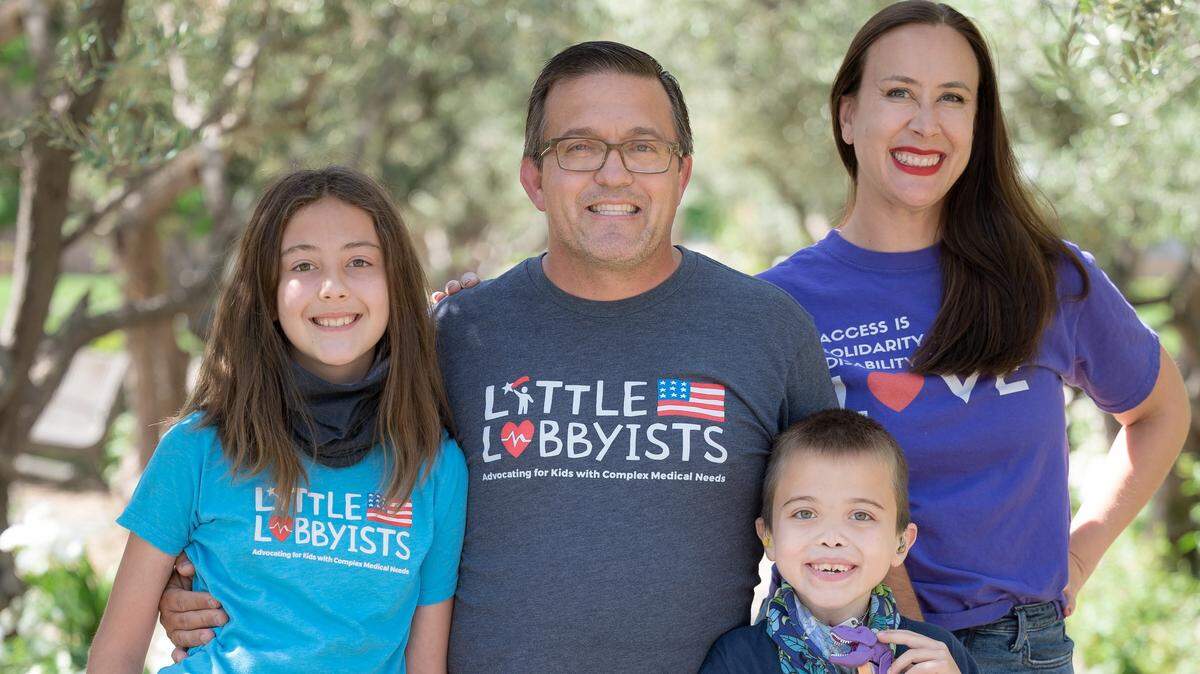
My 10-year-old son has serious, medically intensive disabilities. Due to a genetic syndrome that affected the growth of his airway, he has a tracheostomy. He also uses a ventilator — a machine that breathes for him — at night. The kind of germs that give other kids the sniffles land my son in the pediatric intensive care unit with pneumonia. As a result, our family has been very cautious about COVID-19 because our son is at risk of serious complications. We also prioritize learning, so even with the risk of COVID, we knew that safe in-person schooling was worth the risk.
Clovis Unified returned to in-person classes last November, well before most other large school districts in California. Although we were nervous about sending him back, parenting a medically complex child has taught us that there are never any perfect decisions; we can only make the best decision with the information and tools we have at the time. In-person education for school-age children should be one of our highest priorities as a society and masks are a simple way to make that happen.
Despite our worries about COVID-19 transmission at school, last year was the healthiest my son has ever been through the winter cold and flu season. Over the previous decade, we planned our winters with the assumption that he would get pneumonia and spend big chunks of time at the hospital. But last year, thanks to masks, my son made it through the entire school year during a global respiratory pandemic without so much as a sniffle.
Masking in the classroom during the last school year wasn’t perfect, but everyone made a decent effort. Children are smart and capable of learning, and our teachers are capable of correcting children’s behavior in a way that reinforces good mask wearing and hand hygiene habits. Schools have figured out workarounds and effective teaching methods for students with disabilities who have difficulty wearing traditional masks. Even though my son’s breathing is so impaired that he uses a ventilator for half the day, he’s entirely unfazed by wearing a mask.
Just as we were gearing up for a mostly safe year back at school, the Clovis Unified school board decided to snatch defeat from the jaws of victory and create unnecessary confusion over which mask policies would be enforced, despite clear state guidance. Rather than focus on the real challenges of the upcoming school year, our district opted to devote valuable time and resources to appeasing a minority of parents and community members who oppose masks in classrooms for political reasons.
Sadly, this battle over masks at school is playing out all over the state, and medically fragile children are caught in the middle. California has rightly prioritized a return to in-person instruction, and the key to making this safe is near-universal masking indoors. It’s true some students are unable to wear masks due to the nature of their disabilities. But that makes it even more important for children and adults who can wear a mask to do so, as this protects vulnerable students who need real accommodations.
The state made the right decision to follow guidance from the Centers for Disease Control and Prevention and require masks for all students and staff in indoor classrooms. Children under 12 are still too young to be vaccinated. Although teens are eligible for the vaccine, fewer than 50 percent of Californians ages 12-17 have received it — hardly enough to stop a school-based outbreak. Requiring students to wear masks in indoor classroom spaces is a simple way to make in-person school this year safe for everyone.
School districts need to prioritize in-person education and student safety and stop fighting the state’s common sense mask regulations.
This story was originally published August 20, 2021 at 11:12 AM.