
Fresno man recalls Armenian food, friends and a most unlikely apology for the genocide
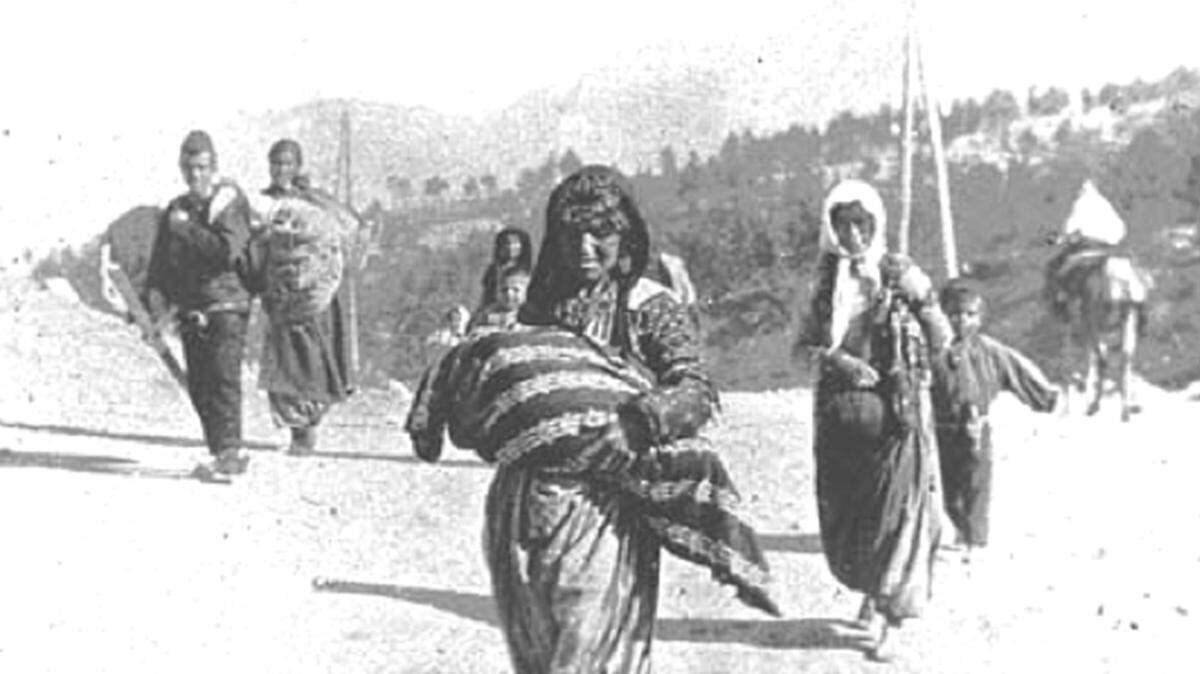
Shish kebob with pilaf, tabouleh, babaganoush, grilled vegetables, salad, lemonade, watermelon, cookies and cake, all set out on long tables in Yacoub’s backyard. There were 50 of us, descendants of the survivors of the Armenian Genocide, whose grandparents or great-grandparents were savvy, courageous, or just plain lucky enough to escape death by murder, starvation, exhaustion after marching through the desert, or a broken heart over what was witnessed.
Those who ran, hid, prayed, begged, took chances on strangers, bribed officials, and ate seeds that horses failed to digest, just to stay alive, made our lives possible.
There in Yacoub’s yard we ate good food and a lot of it; we socialized, felt safe by virtue of our determination and drive, our jobs, and being protected from harm by the biggest, strongest military in the world. Our parents told us what their parents told them, “Work by your brains, not by your back.” So we went to school, put school to use, felt better, raised our children, told them what we knew and believed, attended church, and restored everything that the Turks had stolen from us — as much as we could, anyway.
We, the survivors, had been left with a biblical enigma: Paul was faithful and he was freed from his captors; and yet James was also faithful and he was beheaded. One parent or sibling or cousin or uncle or aunt or neighbor survived, but others did not. How was that determined? We say “Thank God” and “God willing,” as a matter of gratitude and caution, but you never know how things might turn out.
Yacoub, having invited us to his house and cooking shish kebob, had asked us to listen to a Turkish man who had converted to Christianity and wished to speak to us.
Word was going around that the Turkish man at Yacoub’s house wished to apologize to us for the genocide. None of us had ever heard of such a thing; it was unimaginable. I wondered whether a Turk who had not converted to Christianity would apologize. This man’s conversion wasn’t a requisite for me. But in any case I was interested in hearing what he had to say. He said he was sorry that his people, his country, his government had caused unspeakable suffering and loss and he asked us to forgive him.
I was born and raised in Burbank. My world was peanut butter-and-jelly sandwiches, building model airplanes, and riding my bike. Later, I drove a ’65 Impala to see Bob Dylan in concert at the Fabulous Forum, played pick-up basketball games all day on Saturdays, clerked at 7-11 on the graveyard shift in North Hollywood, tossed empty bottles of Michelob off of dormitory balconies, drove to Tommy Burger in the Valley on my way to Venice Beach to watch people roller skate or do drum circles or play beach volleyball, and sometimes I even swam in the Pacific Ocean.
I spent weekends with Grace up and down the California coast. When the kids came along we hiked down to Crater Lake, took a boat ride, got soaked, and lost hats. We saw a play on Broadway in New York, ate fresh pineapple in Maui.
I tell you if I got dropped off in Armenia and couldn’t come back to the United States, I would be homesick for the rest of my life. But when that man, a man I didn’t know and probably won’t see again, stood in front of 50 Armenians and apologized for the massacre of innocent Armenian people and asked us, survivors of the Genocide, to forgive him, I began to cry, and I was not alone. Grace and I accepted his apology, and I felt something that I cannot describe, when Grace touched my arm, I felt a lightness moving through us.
Some of my Armenian brothers and sisters though, stood with their arms folded across their chests, occasionally waving a hand or tipping their heads back, frowning throughout. Their dinner had been spoiled. I heard the words, “Sood eh, I don’t believe him, he’s a liar.”
But Grace and I believed him, and we thanked him, too. I admit, it is easier for us, 100 years later, to say, “I forgive you.” And I don’t know how many back then, about to die, repeated the words of Jesus, “Forgive them, they don’t know what they’re doing.”