
Silver lining to water woes could be farmers putting their lands to new uses besides crops
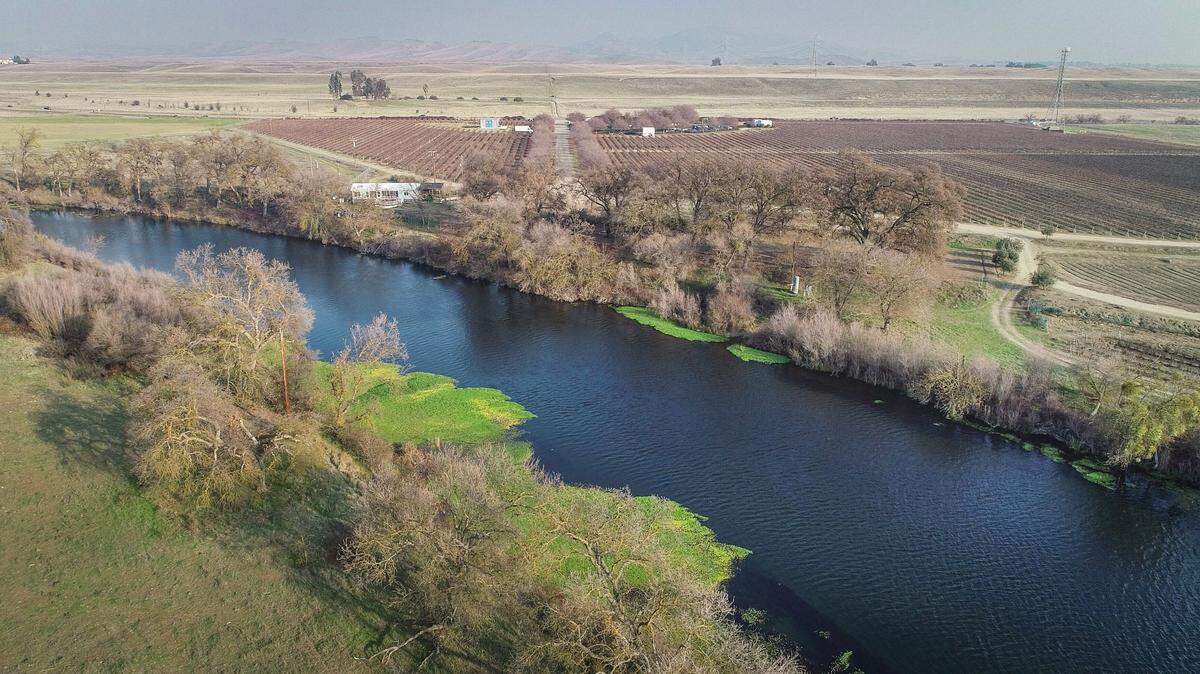
The Central Valley has reached a critical juncture.
On one path, without proactive, collaborative planning, the Valley could become a haphazard patchwork of dusty fields infested with invasive weeds and pests, further impairing already poor air quality, devastating the agricultural economy and putting many farmworkers out of work.
On another path, the Valley can remain a thriving agricultural region amid a mosaic of new land uses, like vibrant habitat corridors for the endangered San Joaquin kit fox or wildlife-friendly groundwater recharge areas for migratory birds or outdoor recreational green spaces for families.
A bill that on Thursday unanimously passed out of the Assembly Committee on Water, Parks and Wildlife can help move the Valley down this second, more resilient path.
Introduced by Assemblymembers Robert Rivas (D-Hollister) and Rudy Salas (D-Bakersfield), AB 252 will help ease the Valley’s transition to sustainable groundwater use and open the door to exciting new opportunities.
In 2014, the Legislature passed the historic Sustainable Groundwater Management Act, the most sweeping change to California water law in a century. Commonly referred to as SGMA (pronounced “sigma”), this law was passed to address decades of groundwater overpumping, which caused significant impacts. During the last drought, overpumping caused land to sink and damaged roads and canals, dried up community drinking water wells, and de-watered wetlands.
The implementation of SGMA is critically important to build long-term water sustainability for the Central Valley and will require a variety of tools and approaches to succeed.
One unfortunate reality of adjusting to increased water scarcity is that a significant amount of the state’s irrigated agricultural land — potentially the size of Yosemite National Park — will need to shift to less water-intensive agriculture or be taken out of production over the next couple decades. This will undoubtedly be challenging and will be exacerbated by more frequent droughts — like what we’re now experiencing — that will put additional strain on limited water supplies.
AB 252 will create the Multi-benefit Land Repurposing Incentive Program to compensate farmers who voluntarily re-purpose some of their previously irrigated land to create new uses that Valley communities need and want. Benefits could include water sustainability, habitat corridors for wildlife, and open space and recreational areas. Importantly, this program can also provide incentives to landowners to make the changes necessary to comply with SGMA sooner and in a way that minimizes economic and social impacts.
It’s noteworthy that the bill requires local agencies that participate in the program to engage community members in the development of a land re-purposing initiative. Too often in the past, land-use policies have been developed without including residents who are most affected by them.
In a testament to the need for this program, AB 252 has gained endorsements from a diverse group of stakeholders and organizations, including Audubon California, Leadership Council for Justice and Accountability and Valley Ag Water Coalition.
Previous generations have passed down stories of how the Valley used to look, with fields of colorful wildflowers and vast wetlands with so many birds that they sounded like a freight train when they took flight. While it’s impossible to re-create all of that, we truly have a once-in-a-lifetime opportunity to bring back some of the region’s natural heritage — with the right tools and planning. AB 252 is one of those tools.
AB 252 will help create new opportunities for farmers and communities and help take the Valley down a new path toward sustainable groundwater supplies, more diverse landscapes, and a more resilient future for people and wildlife.
This story was originally published April 9, 2021 at 6:00 AM.