
Environmental racism is real. In Fresno, we need zero-emission vehicles to help solve it
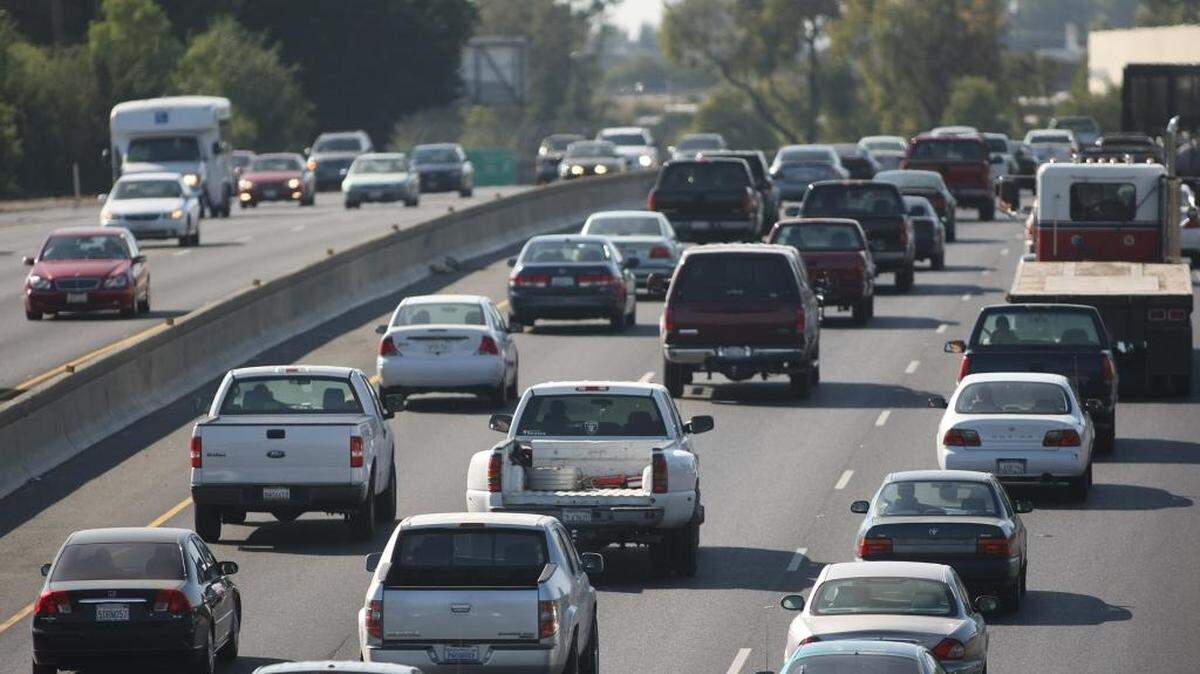
Disproportionate exposure to tailpipe pollution is one of the clearest embodiments of environmental racism in California. As a respiratory therapist who has worked for decades with those struggling to breathe amid the nation’s most polluted air, I see every day the slow but deadly toll that pollution takes on residents of the San Joaquin Valley — especially on our predominantly African American and Latino communities.
As a gateway for goods movement, our community is one of the nation’s smog capitals, though not all residents experience this pollution equally. Living within one-third of a mile of a highway, or close to ports, warehouse distribution centers or other freight corridors means you are more likely to die an early death due the health impacts from vehicle pollution. Physicians have labeled these areas “diesel death zones,” and due to a legacy of racist and exclusionary housing and economic policies, and the steady creep of industry, these neighborhoods are more likely to be home to low-income and minority communities.
But just as we know the deadly consequences of vehicle pollution, we know the solutions are within reach. On the horizon are three policy actions that, if formulated and implemented thoughtfully, will make significant improvements to air quality and quality of life.
First, the governor’s budget for clean transportation. The budget makes some important investments in building more electric vehicle charging infrastructure in our communities and maintains support for programs that help low-income Californians retire polluting vehicles for cleaner options. Through these programs, the Central California Asthma Collaborative and key partners have already helped over 2,000 local families switch to plug-in vehicles. But the budget also cuts some important transportation programs, and it’s vital the Legislature avoid any further erosion of critical clean transportation funds. California’s clean air future depends on these investments.
Second, the Advanced Clean Fleet standard being formulated by the California Air Resources Board. This vital rule will work holistically with the Advanced Clean Truck manufacturing standard to determine how, where and when electric medium- and heavy-duty trucks will hit California’s roads, while providing a blueprint for how we get to 100% zero-emission trucks. With families across the state suffering from the pollution produced by all types of trucks — delivery, port, garbage, mail, street sweepers, etc. — we must ensure this rule addresses all sources of toxic diesel pollution as quickly as possible, rather than putting some vehicle classes ahead of others.
Finally, as ARB considers the next round of statewide clean vehicle standards, it must include complementary policies that bring balance to our transportation system and build communities for people rather than cars. When we choose to design our communities around what will honor and uplift people’s health and well-being, rather than the traditional focus on cars and roads, we set ourselves on a new path.
With new policy choices, California can ensure the children being born now will be the last generation to suffer the consequences of chronic pollution exposure. Because frontline communities are hurt first and worst by the impacts of air pollution and climate change, the next generation of clean vehicle standards must instill equity at its core and ensure our communities are helped first by maximizing access, affordability and ensuring we receive direct health and economic benefits in the move to electric transportation.
We look forward to working with our policy leaders to take on systemic environmental racism and create policy processes and programs that invite community stakeholders to the table on day one. This is how we build a better, cleaner future for all — together.
This story was originally published April 8, 2021 at 11:02 AM.