
A Caruthers teacher worries about abused kids going unnoticed due to distance schooling
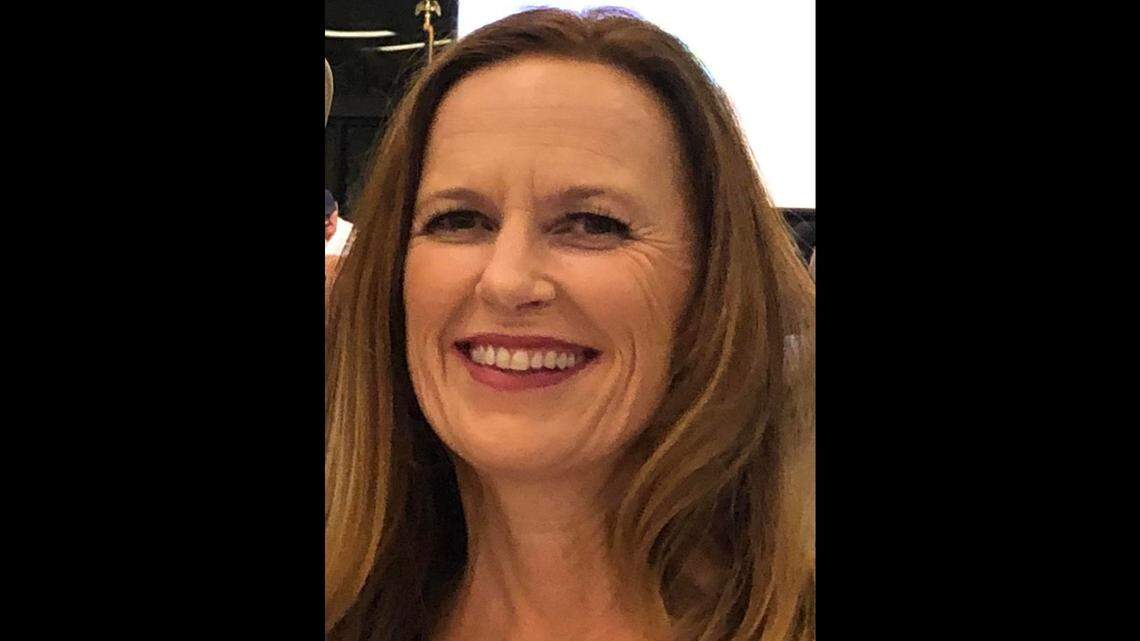
Even though it happened 25 years ago, I remember it as though it was today. An 11-year-old boy — I will call him Sean for this column— walked into my classroom and changed both of our lives forever.
Even as a young adult and new teacher, my “spidey” senses alerted me whenever Sean’s stepmother was around. I was drawn to their interactions. She hovered like a hawk around her stepson Sean. He cowered and eyes looked down. I was drawn to their interactions.
Sean had shared with me that his biological mother had died when he was 8. He had a younger brother. Sean’s stepmom looked after he and his brother, while his Navy officer dad was on duty in the Pacific. Even though Sean was shy and soft-spoken, we quickly developed a warm rapport.
At school, I also served as the activity director in charge of the snack bar Items were stored in my classroom. One of my students told me that he had witnessed Sean sneaking items from the closet. So, one day I told Sean what another student had witnessed. I assured him he wasn’t in trouble; I was just concerned.
Sean became nervous and flushed. I encouraged him to write down what was wrong rather than telling me. After a while, he walked up to me and gave me his journal. My hands shook as I began to read: Arriving home from school, Sean’s stepmother stripped the boys down and locked them in the bathroom. She wouldn’t feed them dinner or let them sleep in their beds. If they complained or made noise, she beat them with a belt.
The last lines of his journal entry read: “I’m so sorry, it’s just we’re hungry.” Fighting back tears, I gave him a hug.
I told him I was bound by law to tell the vice principal and it wasn’t safe for him or his brother to stay with their stepmother. Following an investigation, police arrested the stepmother. Sean and his brother moved out of state to live with their paternal grandparents. He sent me Mother’s Day cards for several years.
Imagine if Sean and his brother were “going” to school in California these days, on Zoom, with no teacher to keep watch and have their back. A school closure isn’t a fun event for kids like Sean. It sets the trajectory for the rest of their lives.
The science is clear: There’s a tragic trade-off to keeping our schools closed. Mental health crises — including domestic abuse and youth suicide — are skyrocketing.
What keeps me awake at night are lost opportunities to help these endangered kids, provide a safe space amid chaos. School, and the caring people in them, are often a life raft, and I don’t mean metaphorically. Kids like Sean are out there in the thousands and they need every advocate they can find.
Studies definitively show schools can and should reopen. People like American Federation of Teachers President Randi Weingarten and California Teachers Association President E. Toby Boyd have been standing on the necks of kids like Sean in the quest for power and status. It is unconscionable.
I don’t share his story lightly. In fact, I’ve never talked about it, believing it wasn’t my story to tell. But knowing what’s at stake, and more than all the teachers, scientists, parents, union leaders and politicians, I think Sean knows the deal.
I’m ready to go back to full-time school, five days a week. I don’t mean on Zoom — I mean back in the classroom with as many of my students as are ready for in-person learning. And not just for my own sons, ages 9 and 16, who are guaranteed classroom instruction by the California Constitution, but for students like Sean.